Exercise Daily _ Smart Body Fat Scales: Helpful Fitness Tool or Misleading Weight-Loss Trap?
Smart body fat scales are everywhere—from gym influencers to Amazon bestseller lists—promising deep insight into your health with a single step onto a glass platform. But do these devices actually help improve fitness results, or are they just another data-heavy distraction?
Exercise Daily takes a no-nonsense look at what smart body fat scales really measure, who should use them, who should avoid them, and which models are actually worth your money.
👉 See our updated smart scale picks on Amazon (including RunStar models we tested)
| Photo | Title | Price | Buy |
|---|---|---|---|
|
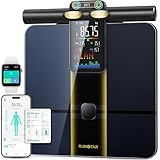
RunStar Smart Scale for Body Weight and Fat Percentage, 8 Electrodes High Precision Body Composition Scale with Set Functions Handle, Body Analyzer Scale Sync App 28 Metrics 400lbs | $65.28 |

|

|
RunStar Smart Scale for Body Weight, Full-Body Bathroom Scale with 8 Electrodes for BMI, Muscle Mass, 3-Metric Display, High-Accuracy Body Composition Monitor with 28 Metrics & App Connectivity Black | $37.64 |
|

|
RunStar 8-Electrode Scale for Body Weight, Color Screen Handle, 50+ Metrics | $149.99 |
|

|
Runstar Smart Scale FSA&HSA Eligible, 8 Electrodes Digital Bathroom Scale for Body Weight and Fat, BMI, Muscle Mass 28 Body Composition Measurement, with Full-Color TFT LCD on Retractable Handle | $116.98 |
|
As an Amazon Associate, Exercise Daily earns from qualifying purchases. This post may contain affiliate links. Last updated: September 12, 2026
What Is a Smart Body Fat Scale?
Unlike traditional bathroom scales that only measure weight, smart body fat scales estimate multiple body metrics using a technology called bioelectrical impedance analysis (BIA). A low-level electrical current passes through the body, and resistance levels are used to estimate:
- Body fat percentage
- Muscle mass
- Bone density (estimated)
- Water weight
- Visceral fat
These scales sync with mobile apps, allowing users to track trends over time rather than relying on a single weigh-in.
The Big Question: Are Smart Scales Accurate?
Here’s the honest truth: smart body fat scales are not medical-grade devices, and they are not as precise as clinical methods like DEXA scans. However, dismissing them entirely would be a mistake.
While absolute numbers may fluctuate due to hydration, sodium intake, or timing, trend consistency is where smart scales shine. When used correctly, they can reliably show whether body fat is trending up or down over weeks and months.
Smart Scale vs DEXA Scan
A DEXA scan is considered the gold standard for body composition analysis, but it comes with downsides:
- Expensive ($75–$200 per scan)
- Limited availability
- Radiation exposure (low, but present)
Smart scales, while less precise, offer daily accessibility and zero cost per use—making them far more practical for most people.
Who Should Use a Smart Body Fat Scale?
Smart scales are best suited for:
- Athletes tracking lean mass changes
- Weight-loss users focused on fat reduction, not scale weight
- Fitness beginners learning body awareness
- People motivated by visual progress tracking
Who Should Skip Them?
These devices may not be ideal for:
- Individuals with eating disorders or scale anxiety
- Those expecting medical-grade accuracy
- Anyone unwilling to track trends consistently
Best Smart Body Fat Scales Worth Buying
After reviewing market data, user feedback, and price-to-performance ratios, Exercise Daily recommends the following categories:
Best Overall Smart Scale
RunStar Smart Scale – Ideal for fitness users seeking reliable trend tracking, app integration, and long-term progress monitoring.
Premium Alternative
Higher-priced smart scales may offer additional metrics, better app ecosystems, and more consistent readings for advanced users.
Budget-Friendly Option
Lower-cost smart scales can still provide meaningful trend data when used under consistent conditions.
Tip: Always weigh yourself at the same time of day, barefoot, and hydrated for the most reliable results.
The Real Verdict
Smart body fat scales are neither magic nor scams. Used incorrectly, they confuse users. Used properly, they can become powerful accountability tools that reinforce better fitness habits.
The key is understanding what they measure—and what they don’t.
If you’re serious about long-term fitness, consistency beats perfection every time.
Exercise Daily recommends smart scales as trend tools, not diagnostic devices.
Eat daily. Sleep daily. Exercise Daily.