
Exercise Daily _ Foods That Naturally Boost Collagen
Collagen, a vital protein in the human body, acts as a building block for bones, skin, muscles, tendons, and ligaments. As we age, collagen production decreases, leading to signs of aging such as wrinkles and joint pain. While many people turn to supplements or creams, the idea that specific foods can naturally boost collagen levels is gaining traction. In this article, we will explore foods that are believed to enhance collagen production, the science behind these claims, and address common misconceptions.
Explore more in our Top 20 Viral Products section.
Explore more in our Natural Remedies section.
Explore more in our Fitness section.
The Importance of Collagen
Collagen is the most abundant protein in our bodies, comprising about 30% of total protein content. It serves crucial roles in maintaining skin elasticity, joint health, and overall structural integrity. According to a study published in the Journal of Drugs in Dermatology, collagen helps in skin hydration and reduces wrinkles. As we age, collagen synthesis declines, leading to a loss of skin firmness and increased joint discomfort.
Common Misconceptions About Collagen




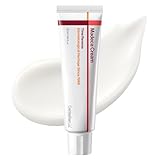
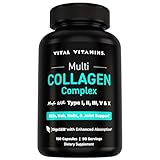
Despite the growing interest in dietary sources of collagen, there are several misconceptions that need to be addressed:
- Myth 1: Eating collagen directly increases collagen levels in the body.
This is not entirely accurate. While consuming collagen-rich foods or supplements may provide the amino acids necessary for collagen production, they do not directly translate into increased collagen levels. - Myth 2: Only animal products can boost collagen.
While animal-based foods are rich in collagen, certain plant-based foods also contribute to collagen synthesis. - Myth 3: Collagen supplements are the only solution.
A balanced diet rich in specific nutrients can also promote collagen production naturally.
Foods That Naturally Boost Collagen
Now that we have dispelled some myths, let’s delve into the foods that can potentially enhance collagen production.
1. Bone Broth
Bone broth is derived from simmering animal bones and connective tissues. This process extracts collagen, gelatin, and various minerals. A study in the Journal of Clinical Medicine highlights the benefits of collagen peptides found in bone broth for skin health and hydration. Regular consumption of bone broth may support joint health and improve skin appearance.
2. Vitamin C-Rich Foods
Vitamin C is essential for collagen synthesis. It acts as a co-factor for enzymes involved in collagen formation. Foods rich in vitamin C include:
- Oranges
- Strawberries
- Kiwi
- Bell peppers
- Broccoli
A study published in the American Journal of Clinical Nutrition emphasizes the role of vitamin C in collagen production and skin health. Incorporating these foods into your diet can help support collagen synthesis.
3. Leafy Greens
Leafy greens like spinach, kale, and Swiss chard are loaded with chlorophyll, which has been shown to increase the precursor to collagen in the body. They also contain vitamin C, antioxidants, and other essential nutrients. A study in the Nutrients Journal suggests that a diet rich in greens can help maintain skin health and promote collagen production.
4. Berries
Berries such as blueberries, raspberries, and blackberries are rich in antioxidants, which combat oxidative stress that can degrade collagen. They are also high in vitamin C, further supporting collagen synthesis. According to research published in the International Journal of Molecular Sciences, antioxidants play a critical role in skin protection and collagen maintenance.
5. Nuts and Seeds
Nuts and seeds, particularly walnuts and flaxseeds, are excellent sources of omega-3 fatty acids and zinc. Omega-3s help maintain skin hydration and elasticity, while zinc is crucial for collagen synthesis. A study in the Journal of Nutritional Biochemistry indicates that a diet high in nuts and seeds can enhance skin health and support collagen production.
6. Fish and Shellfish
Fish, particularly those with skin like salmon and mackerel, are rich in omega-3 fatty acids and collagen. Shellfish, such as shrimp and oysters, are also sources of zinc and copper, which are vital for collagen production. Research published in the Journal of Cosmetic Dermatology supports the idea that fish can improve skin elasticity and hydration.
7. Eggs
Eggs are packed with protein and contain proline, an amino acid essential for collagen synthesis. The egg whites are particularly rich in collagen-building amino acids. According to studies published in the Nutrients Journal, incorporating eggs into your diet may support overall health and collagen production.
Recipe: Collagen-Boosting Smoothie
This simple smoothie combines several collagen-boosting ingredients for a nutritious and delicious drink:
- 1 cup spinach
- 1 banana
- 1 cup mixed berries
- 1 tablespoon chia seeds
- 1 cup almond milk
- 1 tablespoon honey (optional)
Blend all ingredients until smooth and enjoy a refreshing drink that supports your collagen production!
Counterarguments: Are Foods Enough?
While the aforementioned foods are beneficial, some experts argue that diet alone may not be sufficient to significantly boost collagen levels, especially in older adults. According to a review in Nutrients, while dietary sources of collagen and nutrients support its production, factors such as genetics, hormonal changes, and lifestyle choices play a pivotal role in overall collagen health.
Moreover, the bioavailability of collagen from food sources can vary. Some argue that the body may not utilize dietary collagen as effectively as synthetic forms found in supplements. This leads to the debate on whether supplements may be more effective than food sources in boosting collagen levels.
Conclusion
In summary, incorporating certain foods into your diet can support collagen production and contribute to healthier skin, joints, and overall well-being. Foods rich in vitamin C, antioxidants, omega-3 fatty acids, and specific amino acids can help in maintaining collagen levels. However, it’s essential to understand that diet is just one piece of the puzzle. Lifestyle factors and individual biology also play critical roles in collagen health.
As you consider your nutrition, remember that a balanced diet combined with exercise can yield the best results. For more insights on maintaining a healthy lifestyle through exercise, nutrition, and wellness, check out our articles on exercise, nutrition, and wellness.
- Journal of Drugs in Dermatology
- Journal of Clinical Medicine
- American Journal of Clinical Nutrition
- Nutrients Journal
- International Journal of Molecular Sciences
- Journal of Nutritional Biochemistry
- Journal of Cosmetic Dermatology
- Nutrients Journal
- Nutrients
These are for informational purposes only. Consult your doctor and do your own research before use.
Eat daily, sleep daily, exercise daily.