Exercise Daily _ Simple Strength Training For Beginners
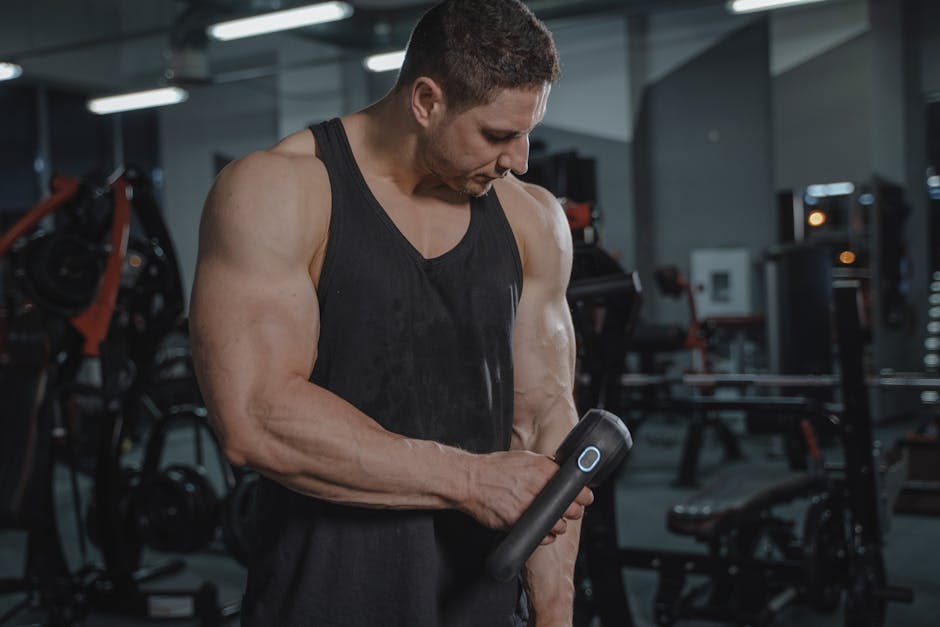
In the realm of fitness, strength training often faces misconceptions and misunderstandings, especially among beginners. Many individuals believe that strength training is exclusively for bodybuilders or elite athletes, or that it requires access to sophisticated equipment. However, this is far from the truth. Simple strength training is accessible and beneficial for everyone, regardless of age or fitness level. This article aims to demystify strength training for beginners, providing evidence-informed insights, addressing common misconceptions, and offering practical guidance.
Explore more in our Wellness section.
Explore more in our Nutrition section.
Explore more in our Fitness section.
Understanding Strength Training
Strength training, also known as resistance training, involves exercises designed to improve strength and endurance by exerting force against resistance. This resistance can come from various sources, including body weight, free weights, resistance bands, or weight machines. According to a study published in the Journal of Strength and Conditioning Research, strength training not only enhances muscle strength but also improves overall health markers, including metabolic rate and bone density.
Benefits of Strength Training
- Increased Muscle Mass: Engaging in regular strength training stimulates muscle growth, which is crucial as we age.
- Improved Metabolic Rate: More muscle mass leads to a higher resting metabolic rate, aiding in weight management.
- Enhanced Bone Density: Weight-bearing exercises strengthen bones, reducing the risk of osteoporosis.
- Better Functional Performance: Strength training improves everyday activities, enhancing overall quality of life.
- Mental Health Benefits: Exercise, including strength training, is linked to reduced anxiety and depression levels (American Psychological Association).
Common Misconceptions About Strength Training



Despite its numerous benefits, many beginners hold misconceptions that can deter them from starting a strength training regimen. Here are some of the most common myths:
Myth 1: Strength Training is Only for Young People
Many individuals believe that strength training is unsuitable for older adults. However, research shows that older individuals can significantly benefit from strength training, improving their muscle mass, bone density, and overall functional ability (NIH). It is crucial to tailor the program to individual fitness levels and health conditions, but age should not be a barrier.
Myth 2: You Need Expensive Equipment
Another prevalent myth is that strength training requires access to high-end gym equipment. While gyms offer various machines, many effective strength training exercises can be performed using body weight or simple tools like resistance bands. For beginners, exercises such as push-ups, squats, and lunges can be incredibly effective without any special equipment.
Myth 3: Strength Training Will Make You Bulky
This misconception is particularly common among women, who often fear that strength training will lead to a bulky physique. However, achieving significant muscle hypertrophy requires specific training protocols, dietary changes, and often, the use of supplements. Most beginners will find that strength training helps to tone and define their muscles rather than bulk them up (Harvard Health Publishing).
Getting Started with Simple Strength Training
Now that we’ve debunked some myths, let’s explore how beginners can start their strength training journey. The following steps will guide you through the process:
1. Setting Goals
Before embarking on any fitness program, it is essential to set clear, achievable goals. Consider what you want to accomplish with strength training. Goals could range from improving overall fitness, enhancing muscle tone, or increasing endurance. Having specific objectives helps maintain motivation and focus.
2. Choosing the Right Exercises
For beginners, focusing on compound movements that engage multiple muscle groups is beneficial. Here are some simple exercises to include in your routine:
- Bodyweight Squats: Excellent for strengthening the legs and glutes.
- Push-Ups: Targets the chest, shoulders, and triceps; can be modified to suit fitness levels.
- Planks: Strengthens the core and improves stability.
- Lunges: Great for leg strength and balance.
- Rows with Resistance Bands: Strengthens the back and improves posture.
3. Establishing a Routine
Beginners should aim for at least two to three strength training sessions per week, allowing for rest days in between. A sample beginner routine may include:
- Warm-up (5-10 minutes of light cardio)
- Bodyweight Squats (3 sets of 10-15 reps)
- Push-Ups (3 sets of 8-12 reps)
- Planks (3 sets of 20-30 seconds)
- Lunges (3 sets of 10-12 reps per leg)
- Rows with Resistance Bands (3 sets of 10-15 reps)
- Cool down and stretching (5-10 minutes)
4. Focus on Form
Proper form is crucial to avoid injuries and maximize effectiveness. Beginners should prioritize learning the correct techniques, even if it means starting with lighter resistance or fewer repetitions. Resources such as Exercise Daily provide guides and videos that can help in mastering these techniques.
5. Progress Gradually
As strength improves, it is essential to gradually increase the resistance or complexity of exercises. This progression can involve adding weights, increasing the number of repetitions, or modifying the exercise to a more challenging variation.
Nutrition and Recovery
Nutrition plays a vital role in supporting strength training efforts. Consuming a balanced diet rich in protein, healthy fats, and carbohydrates is essential for muscle recovery and growth. Here are some dietary tips to consider:
- Protein Intake: Aim for lean protein sources such as chicken, fish, tofu, or legumes to support muscle repair.
- Hydration: Staying hydrated is crucial for optimal performance and recovery.
- Post-Workout Nutrition: Consuming a combination of protein and carbohydrates after workouts can enhance recovery (American College of Sports Medicine).
Addressing Common Challenges
Beginners often encounter challenges while starting strength training. Here are some common obstacles and how to address them:
Lack of Motivation
Staying motivated can be difficult, especially for beginners. Setting short-term goals, tracking progress, and working out with a friend can enhance motivation. Additionally, finding exercises that you enjoy can make the process more engaging.
Time Constraints
Many people believe they lack time for strength training. However, even short, efficient workouts can be effective. High-Intensity Interval Training (HIIT) can incorporate strength exercises into a time-efficient format.
Fear of Injury
Injuries are a common concern for beginners. To mitigate this risk, focus on proper form, start with lighter weights, and listen to your body. If any exercise causes pain, stop and reassess your technique or choose an alternative exercise.
Conclusion
Simple strength training for beginners is not only accessible but also essential for enhancing overall health and fitness. By understanding the benefits, debunking myths, and following a structured approach, anyone can embark on a successful strength training journey. Remember, the key to success lies in consistency, proper nutrition, and gradual progression. Start today and witness the transformative effects of strength training in your life.
Recipe: Protein-Packed Smoothie
For optimal recovery post-workout, here’s a simple protein-packed smoothie recipe:
Ingredients:
- 1 cup of spinach
- 1 banana
- 1 scoop of protein powder (whey or plant-based)
- 1 tablespoon of peanut butter
- 1 cup of almond milk
Instructions: Blend all ingredients until smooth. Enjoy this delicious smoothie to fuel your recovery!
References
- Journal of Strength and Conditioning Research
- NIH
- American Psychological Association
- Harvard Health Publishing
- American College of Sports Medicine
These are for informational purposes only. Consult your doctor and do your own research before use.
Eat daily, sleep daily, exercise daily.