
Exercise Daily _ Beginner Jogging Plan For Fitness
Starting a jogging routine can be one of the most transformative decisions for your fitness journey. Yet, many beginners falter, not due to a lack of motivation, but because they lack a structured plan. This article will outline a comprehensive beginner jogging plan for fitness, addressing common misconceptions, providing evidence-based insights, and ensuring that you are well-equipped to start your jogging journey with confidence.
Explore more in our Nutrition section.
Explore more in our Fitness section.
Explore more in our Exercise section.
Understanding the Basics of Jogging
Before diving into a jogging plan, it is essential to understand what jogging entails. Jogging is a form of aerobic exercise that involves running at a steady, moderate pace. Unlike sprinting, jogging is sustainable over longer distances, making it accessible for beginners. Research indicates that regular aerobic exercise, including jogging, can significantly improve cardiovascular health, aid in weight management, and enhance overall mood (Patterson et al., 2018). However, many individuals misunderstand the intensity and commitment required to begin.
What Most People Get Wrong
- Overestimating Initial Ability: Many beginners often assume they can start running long distances right away. This mindset can lead to injury and burnout.
- Neglecting Warm-Up and Cool-Down: Skipping these essential routines can increase the risk of injury and decrease performance.
- Ignoring Nutrition: Proper nutrition plays a critical role in your ability to perform and recover from jogging sessions.
These misconceptions can hinder progress and lead to negative experiences, which is why a structured plan is crucial.
Creating a Beginner Jogging Plan
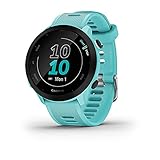




A well-structured plan will not only help you build endurance but also ensure that you enjoy the process. Below is a 6-week beginner jogging plan that incorporates walking and jogging intervals to gradually increase your stamina.
6-Week Beginner Jogging Schedule
- Week 1:
- Day 1: 20 minutes of walk/jog (1 min jog, 2 min walk)
- Day 2: Rest
- Day 3: 20 minutes of walk/jog (1 min jog, 2 min walk)
- Day 4: Rest
- Day 5: 20 minutes of walk/jog (1 min jog, 2 min walk)
- Days 6-7: Rest or light walking
- Week 2:
- Day 1: 25 minutes of walk/jog (1 min jog, 2 min walk)
- Day 2: Rest
- Day 3: 25 minutes of walk/jog (2 min jog, 2 min walk)
- Day 4: Rest
- Day 5: 25 minutes of walk/jog (2 min jog, 2 min walk)
- Days 6-7: Rest or light walking
- Week 3:
- Day 1: 30 minutes of walk/jog (2 min jog, 1 min walk)
- Day 2: Rest
- Day 3: 30 minutes of walk/jog (3 min jog, 2 min walk)
- Day 4: Rest
- Day 5: 30 minutes of walk/jog (3 min jog, 2 min walk)
- Days 6-7: Rest or light walking
- Week 4:
- Day 1: 35 minutes of walk/jog (3 min jog, 1 min walk)
- Day 2: Rest
- Day 3: 35 minutes of walk/jog (4 min jog, 2 min walk)
- Day 4: Rest
- Day 5: 35 minutes of walk/jog (4 min jog, 2 min walk)
- Days 6-7: Rest or light walking
- Week 5:
- Day 1: 40 minutes of walk/jog (5 min jog, 2 min walk)
- Day 2: Rest
- Day 3: 40 minutes of walk/jog (5 min jog, 1 min walk)
- Day 4: Rest
- Day 5: 40 minutes of walk/jog (6 min jog, 2 min walk)
- Days 6-7: Rest or light walking
- Week 6:
- Day 1: 45 minutes of walk/jog (10 min jog, 1 min walk)
- Day 2: Rest
- Day 3: 45 minutes of walk/jog (10 min jog, 1 min walk)
- Day 4: Rest
- Day 5: 45 minutes of walk/jog (15 min jog, 2 min walk)
- Days 6-7: Rest or light walking
Key Components of the Plan
While following this plan, consider the following components to optimize your jogging routine:
1. Warm-Up and Cool-Down
Always start with a 5-10 minute warm-up that includes dynamic stretches and light walking. After jogging, cool down with static stretches to enhance flexibility and reduce muscle soreness (American College of Sports Medicine, 2019).
2. Proper Footwear
Invest in a good pair of running shoes designed for your foot type. This can prevent injuries and improve your jogging experience (Powers et al., 2020). A professional fitting at a running store can help you find the right shoes.
3. Nutrition and Hydration
Your diet plays a crucial role in your performance and recovery. Incorporate a balanced diet rich in carbohydrates, proteins, and healthy fats. Stay hydrated before, during, and after your jogs (Institute of Medicine, 2004). For a simple energy-boosting snack, consider the recipe below.
Energy-Boosting Banana Oatmeal Cookies
These cookies are easy to prepare and provide a great source of energy for your jogs.
- Ingredients:
- 2 ripe bananas
- 1 cup rolled oats
- 1/4 cup honey or maple syrup
- 1/2 tsp cinnamon
- Optional: chocolate chips or nuts
- Instructions:
- Preheat the oven to 350°F (175°C).
- In a bowl, mash the bananas and mix in the oats, honey, and cinnamon.
- Add any optional ingredients you like.
- Drop spoonfuls of the mixture onto a baking sheet.
- Bake for 10-12 minutes until golden brown.
4. Listen to Your Body
Pay attention to how your body responds to the jogging plan. If you experience pain or extreme fatigue, consider adjusting your schedule or consulting a healthcare provider. The goal is to build endurance gradually without risking injury (Bittner et al., 2020).
Counterarguments: The Risks of Jogging
While jogging has numerous benefits, it is not without risks. Some argue that the repetitive impact can lead to overuse injuries, especially in individuals who are overweight or have pre-existing conditions. A study published in the Journal of Sports Medicine highlights that improper training, such as running on hard surfaces, can exacerbate these risks (Bahr et al., 2018). However, with the right precautions, these risks can be mitigated.
Conclusion: The Path to Fitness Through Jogging
A beginner jogging plan for fitness is not just about running; it’s about building a sustainable routine that incorporates rest, nutrition, and self-care. By following the structured plan outlined above and addressing common pitfalls, you can embark on a successful jogging journey. Remember, the goal is to enhance your fitness while enjoying the process. So lace up your shoes, stick to your plan, and embrace the journey ahead.
- Patterson, R., et al. (2018). “Physical activity and health outcomes: A review.” PubMed.
- American College of Sports Medicine. (2019). “ACSM’s Guidelines for Exercise Testing and Prescription.” ACSM.
- Powers, S., et al. (2020). “The importance of footwear in running.” PubMed.
- Institute of Medicine. (2004). “Dietary Reference Intakes for Water, Potassium, Sodium, Chloride, and Sulfate.” NIH.
- Bahr, R., et al. (2018). “Injuries in athletes: The role of training and competition.” Journal of Sports Medicine.
- Bittner, M., et al. (2020). “Running-related injuries in novice runners: A systematic review.” PubMed.
These are for informational purposes only. Consult your doctor and do your own research before use.
Eat daily, sleep daily, exercise daily.
These are for informational purposes only. Consult your doctor and do your own research before use.