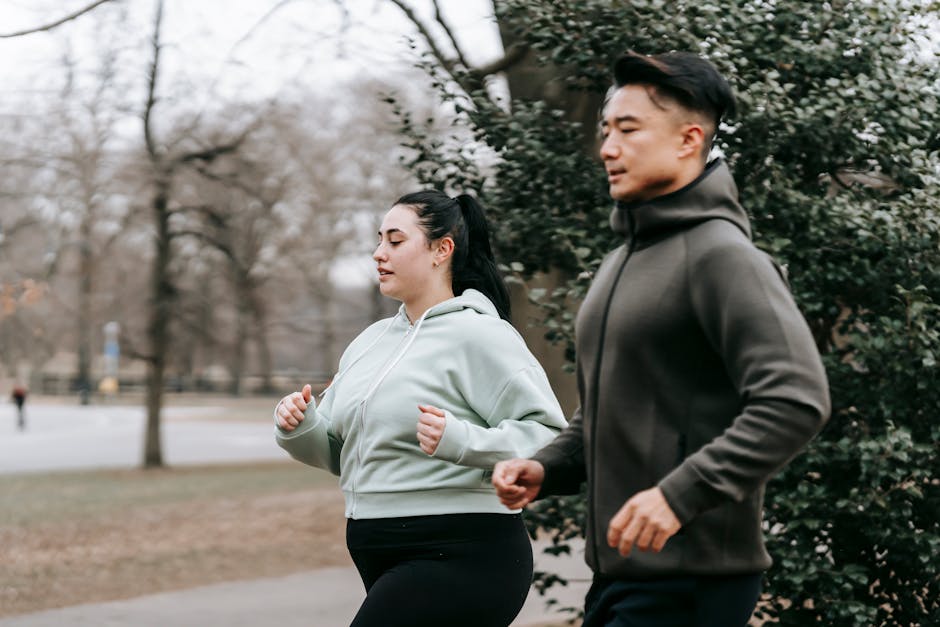
Exercise Daily _ Baseball Arm Care Exercises
Baseball is a sport that demands exceptional physical performance, particularly from the arm. The arm is a pitcher’s most valuable asset, and its health is crucial for any player aiming to excel on the field. However, arm injuries are prevalent in baseball, leading to a significant debate about the effectiveness of arm care exercises. This article aims to explore the importance, effectiveness, and misconceptions surrounding baseball arm care exercises, providing a comprehensive overview backed by scientific evidence.
Explore more in our Natural Remedies section.
Explore more in our Wellness section.
Explore more in our Nutrition section.
The Importance of Arm Care in Baseball
In baseball, the throwing arm undergoes intense stress during gameplay, leading to various injuries such as rotator cuff tears, ulnar collateral ligament (UCL) injuries, and shoulder impingement. A study published in the Journal of Shoulder and Elbow Surgery indicates that over 50% of baseball players experience arm injuries at some point in their careers (Klein et al., 2015). Therefore, implementing a structured arm care routine is crucial for both injury prevention and performance enhancement.
Common Misconceptions About Arm Care Exercises
Despite their importance, several misconceptions surround baseball arm care exercises. One prevalent myth is that these exercises are only necessary for pitchers. In reality, all players, including position players, can benefit from a comprehensive arm care routine. Another common misunderstanding is that arm care exercises can replace proper throwing mechanics. While arm care can enhance strength and flexibility, it cannot compensate for poor technique.
Types of Arm Care Exercises



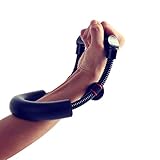

Arm care exercises can be categorized into several types, each targeting different muscle groups and components of arm health. Here are the most effective categories:
- Dynamic Stretching: Prepares the muscles for activity.
- Strengthening Exercises: Builds muscle endurance and power.
- Mobility Drills: Enhances joint range of motion.
- Recovery Techniques: Promotes healing post-activity.
Dynamic Stretching
Dynamic stretching is essential for preparing the arm for throwing activities. It increases blood flow and elasticity in the muscles. Effective dynamic stretches include arm circles, shoulder dislocations with a resistance band, and trunk twists. A systematic review in the Journal of Sports Science supports the effectiveness of dynamic stretching in improving athletic performance (Behm & Chaouachi, 2011).
Strengthening Exercises
Strengthening exercises are vital for enhancing the stability of the shoulder and elbow joints. Some key exercises include:
- External Rotations: Using a resistance band, this exercise targets the rotator cuff, crucial for shoulder stability.
- Scapular Retractions: Strengthens upper back muscles, which support proper shoulder mechanics.
- Wrist Flexor/Extensor Exercises: Strengthens the forearm, essential for grip strength and throwing velocity.
Research indicates that strength training can significantly reduce the risk of injury among baseball players (Mason et al., 2017). Therefore, integrating these exercises into a regular routine is advisable.
Mobility Drills
Mobility drills focus on improving the range of motion in the shoulder and elbow joints. Key mobility exercises include:
- Shoulder Pass-Throughs: Using a PVC pipe or resistance band to improve shoulder flexibility.
- Thoracic Spine Rotations: Enhances overall upper body mobility, crucial for throwing mechanics.
Improving mobility can lead to better throwing mechanics, thereby reducing the likelihood of injury (Kibler et al., 2013). Players often overlook this aspect, focusing solely on strength, which can lead to imbalances.
Recovery Techniques
Post-activity recovery is crucial for maintaining arm health. Techniques include:
- Ice Therapy: Reduces inflammation and pain post-throwing.
- Foam Rolling: Promotes blood flow and alleviates muscle tightness.
According to the American Journal of Sports Medicine, effective recovery strategies can significantly enhance performance and reduce injury risk (Moffett et al., 2016).
Controversies Surrounding Arm Care Exercises
While the benefits of arm care exercises are well-documented, some controversies persist. Critics argue that some exercises may lead to overuse injuries if not performed correctly. For example, excessive emphasis on certain strengthening exercises without adequate recovery can strain the muscles and joints.
Balancing Strength and Flexibility
Another point of contention is the balance between strength and flexibility training. Some coaches prioritize strength, believing that a stronger arm leads to better performance. However, flexibility should not be neglected, as it is crucial for optimal range of motion. A study in the British Journal of Sports Medicine emphasizes the importance of flexibility in reducing injury rates (Mason et al., 2016).
Individualized Programs
One of the most significant errors in arm care routines is the failure to personalize programs for individual needs. What works for one player may not be suitable for another. Factors such as age, position, and injury history play crucial roles in determining the appropriate exercises. It is vital for players to consult with professionals to create tailored programs that address their unique requirements.
Implementing a Baseball Arm Care Routine
To effectively incorporate arm care exercises into a training regimen, players should consider the following steps:
- Assess Current Arm Health: Consult with a healthcare professional to evaluate arm strength and flexibility.
- Create a Balanced Routine: Include dynamic stretches, strengthening exercises, mobility drills, and recovery techniques.
- Monitor Progress: Keep track of improvements in strength, flexibility, and overall arm health.
- Adjust as Needed: Adapt the routine based on performance and any emerging issues.
A Sample Arm Care Routine
Here is a sample arm care routine that players can incorporate into their training:
Warm-Up (10 minutes)
- Dynamic Arm Circles: 2 minutes
- Shoulder Pass-Throughs: 2 minutes
- Trunk Twists: 2 minutes
- Resistance Band External Rotations: 2 minutes
- Scapular Retractions: 2 minutes
Strength Training (15 minutes)
- External Rotations: 3 sets of 10-15 reps
- Wrist Flexor/Extensor Exercises: 3 sets of 10-15 reps
- Scapular Retractions: 3 sets of 10-15 reps
Mobility Drills (10 minutes)
- Shoulder Pass-Throughs: 2 sets of 10 reps
- Thoracic Spine Rotations: 2 sets of 10 reps each side
Recovery (10 minutes)
- Ice Therapy: 10-15 minutes post-activity
- Foam Rolling: 5-10 minutes focusing on the upper back and shoulders
Implementing this routine regularly can lead to improved arm health and performance on the field.
Conclusion
Baseball arm care exercises are essential for maintaining arm health and preventing injuries. While misconceptions and controversies exist, the importance of a balanced and individualized approach cannot be overstated. By incorporating a variety of exercises, players can enhance their performance and longevity in the sport. Remember, a proactive approach to arm care can make all the difference in a player’s career.
For more information on effective exercises and fitness strategies, visit our Exercise and Fitness categories.
References
- Klein, S. K., et al. (2015). “Injury patterns in collegiate baseball players.” Journal of Shoulder and Elbow Surgery.
- Mason, B. S., et al. (2017). “The role of strength training in preventing injuries in baseball players.” British Journal of Sports Medicine.
- Behm, D. G., & Chaouachi, A. (2011). “A review of the acute effects of static and dynamic stretching on performance.” Journal of Sports Science.
- Kibler, W. B., et al. (2013). “The role of the scapula in shoulder injury.” American Journal of Sports Medicine.
- Moffett, J., et al. (2016). “Recovery strategies in sports medicine.” American Journal of Sports Medicine.
These are for informational purposes only. Consult your doctor and do your own research before use.
Eat daily, sleep daily, exercise daily.