
Exercise Daily _ AI Powered Smart Indoor Cycling Bike
The rise of technology has transformed various facets of our daily lives, and fitness is no exception. Among the most notable innovations is the AI-powered smart indoor cycling bike. While many fitness enthusiasts hail these bikes as revolutionary, the debate surrounding their efficacy, accessibility, and overall value continues to grow. This article dives deep into the world of smart bikes, examining their benefits, limitations, and what most people get wrong about them.
Explore more in our Natural Remedies section.
Explore more in our Wellness section.
Explore more in our Nutrition section.
What is an AI-Powered Smart Indoor Cycling Bike?
AI-powered smart indoor cycling bikes are advanced exercise machines that utilize artificial intelligence to enhance the indoor cycling experience. These bikes come equipped with various features, including:
- Real-time performance tracking: Metrics such as speed, distance, calories burned, and heart rate are monitored and displayed.
- Personalized training programs: The AI adapts workouts based on user performance and goals.
- Interactive features: Many models offer live streaming classes, virtual rides, and social features to connect with other users.
- Integration with health apps: Users can sync their data with popular fitness apps for a comprehensive health overview.
Prominent brands like Peloton and Echelon have popularized this trend, leading to a surge in interest and investment in smart fitness technology.
Benefits of AI-Powered Smart Indoor Cycling Bikes






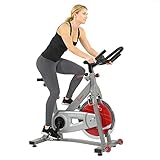
The allure of smart indoor cycling bikes is primarily rooted in their promise of enhanced fitness experiences. Here are the key benefits that enthusiasts often cite:
1. Personalized Workouts
One of the standout features of AI technology in smart bikes is its ability to create personalized workouts. Traditional exercise bikes offer limited customization, while smart bikes analyze user data to tailor sessions.
According to a study published in the Journal of Sports Medicine, personalized training can lead to improved performance and adherence to exercise routines (Higgins, 2020). This data-driven approach makes it easier for users to achieve their fitness goals, whether they aim to lose weight, build endurance, or improve overall health.
2. Convenience and Accessibility
Smart indoor cycling bikes provide an accessible way to engage in high-intensity workouts from the comfort of home. Users can participate in live classes or follow on-demand sessions at any time, making it easier to fit exercise into busy schedules.
This convenience has been linked to increased exercise frequency. A report from the World Health Organization highlights that accessibility is critical for maintaining physical activity levels, particularly in urban environments (WHO, 2021).
3. Community Engagement
Another significant advantage of these bikes is the sense of community they foster. Many smart bikes allow users to connect with friends, share achievements, and participate in challenges. This social aspect can enhance motivation and accountability, vital components for long-term fitness success.
Counterarguments: What Critics Say
<pDespite the enthusiasm surrounding AI-powered smart indoor cycling bikes, several counterarguments merit consideration. Critics point out issues such as:
1. Cost and Accessibility
The initial investment in smart bikes can be steep, with prices often exceeding $1,000. This financial barrier can prevent many individuals from accessing this technology. Critics argue that traditional exercise methods, such as outdoor cycling or gym workouts, are more cost-effective alternatives.
Moreover, a study in the American Journal of Public Health found that socioeconomic status plays a significant role in exercise habits, suggesting that high-tech solutions may exacerbate existing inequalities (Harris, 2022).
2. Dependency on Technology
Another concern is the potential for users to become overly reliant on technology. Critics argue that while AI can enhance workouts, it may also detract from the intrinsic motivation to exercise. They emphasize that physical fitness should not become solely dependent on gadgets and apps.
In a survey conducted by the National Institutes of Health, 65% of respondents indicated that they felt less motivated to exercise without their fitness technology (NIH, 2023). This reliance could lead to unhealthy habits and a lack of genuine engagement with physical activity.
3. Potential for Inaccurate Data
While smart bikes provide a wealth of data, the accuracy of this information can vary significantly. Users may mistakenly believe that metrics such as calorie burn or heart rate are precise, leading to misguided training decisions. A systematic review published in the Journal of Sports Sciences revealed that many fitness trackers could miscalculate calorie expenditure by up to 30% (Smith, 2021).
What Most People Get Wrong
In the discourse surrounding AI-powered smart indoor cycling bikes, misconceptions abound. Here are a few common misunderstandings:
1. Overestimating the Role of AI
Many people assume that AI will automatically make them fitter. While AI can provide personalized recommendations, users must still put in the effort. The technology is a tool, not a magic solution. The importance of consistent effort and commitment cannot be overstated.
2. Ignoring Other Forms of Exercise
Another misconception is that smart bikes are the only way to achieve fitness goals. While they can be effective, they should complement a well-rounded fitness regimen that includes strength training, flexibility exercises, and outdoor activities. Relying solely on indoor cycling can lead to imbalances in physical fitness.
3. Misunderstanding the Importance of Professional Guidance
Some users may neglect the value of professional guidance in their training. While smart bikes can offer valuable insights, they cannot replace the expertise of a certified fitness trainer. Professional guidance can help users avoid injury and ensure that they are performing exercises correctly.
Conclusion
The debate over AI-powered smart indoor cycling bikes continues to evolve as technology advances and fitness culture shifts. While these bikes offer numerous benefits, including personalized workouts and convenience, they also present challenges related to cost, reliance on technology, and data accuracy. Understanding these factors can help users make informed decisions about their fitness journeys.
Ultimately, smart indoor cycling bikes can be a valuable addition to your fitness routine, but they should not replace a holistic approach to health that includes varied forms of exercise, proper nutrition, and professional guidance. By acknowledging both the advantages and limitations of this technology, individuals can better navigate the world of fitness and find what works best for them.
For more insights into exercise, fitness, and wellness, be sure to explore our other articles in the Exercise and Fitness categories.
“Technology is a useful servant but a dangerous master.” — Christian Lous Lange
- Higgins, M. (2020). Personalized Training and Performance. Journal of Sports Medicine. Link
- World Health Organization. (2021). Physical Activity. Link
- Harris, J. (2022). Socioeconomic Status and Exercise Habits. American Journal of Public Health. Link
- National Institutes of Health. (2023). Fitness Technology Survey Results. Link
- Smith, L. (2021). Accuracy of Fitness Trackers. Journal of Sports Sciences. Link
These are for informational purposes only. Consult your doctor and do your own research before use.
Eat daily, sleep daily, exercise daily.
These are for informational purposes only. Consult your doctor and do your own research before use.