Exercise Daily _ Safe Core Exercises Diastasis Recti
Many fitness enthusiasts mistakenly believe that traditional core exercises, such as crunches and sit-ups, are safe and effective for everyone, including those dealing with diastasis recti. This common misconception can exacerbate the condition rather than alleviate it, leading to further complications and discomfort. Understanding the specific needs of individuals with diastasis recti is crucial for promoting effective recovery and core strength. In this article, we will delve deeper into the implications of diastasis recti, explore safe core exercises tailored for recovery, and provide insights on how to integrate these exercises into your daily routine.
Who This Is For
- New mothers recovering from pregnancy.
- Individuals with a noticeable separation of the abdominal muscles.
- Fitness enthusiasts looking to strengthen their core safely.
- Anyone experiencing lower back pain related to core weakness.
- Busy adults seeking effective yet gentle core workouts.
What Most People Get Wrong




As an Amazon Associate, Exercise Daily earns from qualifying purchases. This post may contain affiliate links. Last updated: September 29, 2026
One of the most significant errors made by individuals with diastasis recti is the continuation of high-impact or traditional core exercises without modification. Many assume that engaging in standard abdominal workouts will yield the desired results. However, these exercises can aggravate the separation of the abdominal muscles, potentially leading to long-term issues such as pelvic floor dysfunction and chronic back pain.
For instance, crunches and sit-ups create intra-abdominal pressure that can push the abdominal wall outward, worsening the diastasis. A study published in the Journal of Women’s Health Physical Therapy highlights that traditional core exercises should be avoided by individuals with diastasis recti, as they do not adequately support the healing process. Furthermore, many individuals are unaware of how their body mechanics during exercise can impact their recovery. Understanding this connection is vital for anyone looking to heal from diastasis recti.
Understanding Diastasis Recti
Diastasis recti occurs when the rectus abdominis muscles separate, often due to pregnancy, obesity, or improper exercise techniques. This separation can lead to a bulge in the abdominal wall, which not only affects appearance but also functional stability and core strength. The core is responsible for stabilizing the spine and pelvis, and a compromised core can lead to various physical issues, including poor posture, decreased mobility, and increased risk of injury.
Research indicates that diastasis recti is prevalent among women during and after pregnancy, affecting approximately 60-70% of women in their third trimester and around 30-50% postpartum. Men can also experience diastasis recti, particularly those who are obese or have undergone significant weight fluctuations. This condition is not merely cosmetic; it has functional implications that can affect daily activities and quality of life.
Why This Actually Works
Safe core exercises for diastasis recti focus on engaging the deep core muscles, particularly the transverse abdominis, rather than the superficial muscles. These exercises promote healing and strengthen the core without exacerbating the condition. Engaging in low-impact movements allows for gradual recovery while ensuring the abdominal wall is supported.
Research published in the International Journal of Sports Physical Therapy indicates that targeted exercises can significantly improve diastasis recti by enhancing the integrity of the abdominal wall. Such exercises not only support healing but also improve overall core function. The focus on controlled movements helps to re-establish proper muscle engagement patterns, which are often disrupted in individuals with diastasis recti.
Moreover, safe core exercises can help alleviate common symptoms associated with diastasis recti, such as lower back pain and pelvic instability. By training the core to function effectively, individuals can experience improved posture, better alignment, and reduced discomfort during daily activities.
Safe Core Exercises for Diastasis Recti
Here are some effective and safe core exercises designed specifically for individuals with diastasis recti:
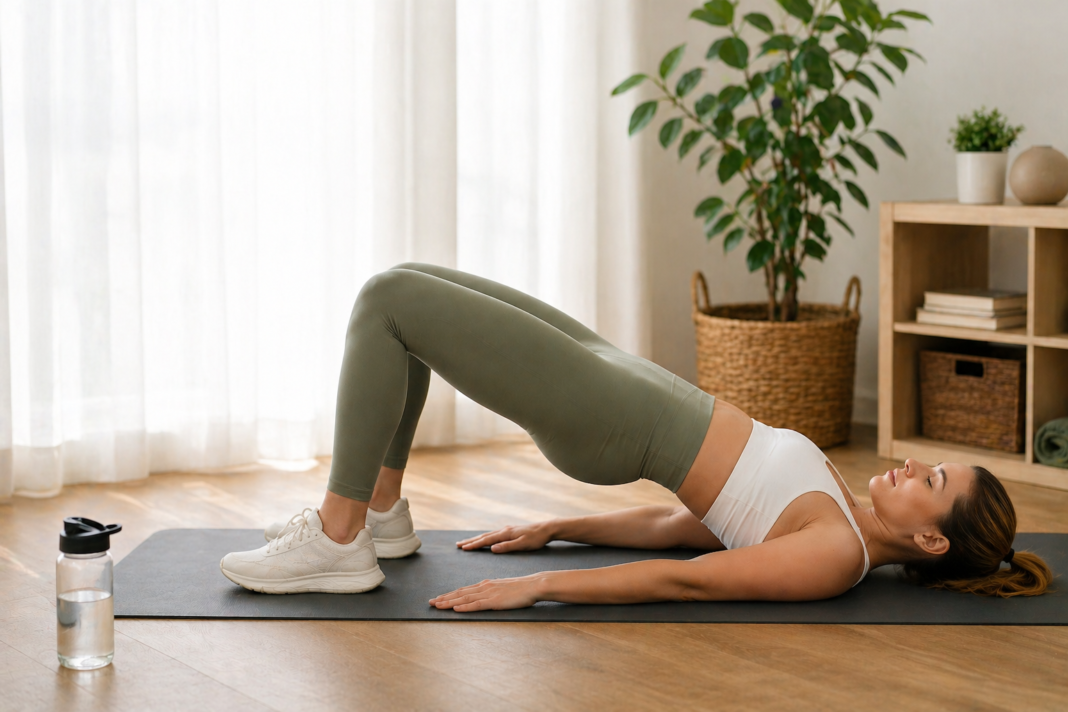
- Transverse Abdominis Activation: Lie on your back with your knees bent. Inhale deeply, then exhale while gently drawing your belly button towards your spine. Hold for 5-10 seconds, breathing normally. Repeat 10-15 times. This exercise targets the deep core muscles, promoting stability and support for the abdominal wall.
- Heel Slides: While lying on your back, bend your knees and keep your feet flat on the floor. Slowly slide one heel away from your body while engaging your core. Return to the starting position and alternate legs. Perform 10-15 repetitions on each side. Heel slides help to activate the core while minimizing strain on the abdominal wall.
- Modified Plank: Start on your hands and knees, aligning your wrists under your shoulders. Engage your core and extend one leg behind you, keeping your hips stable. Hold for 10-30 seconds, then switch legs. Repeat 5-10 times per side. This exercise builds strength in the core and stabilizes the pelvis without placing undue pressure on the abdominal wall.
- Side-Lying Leg Lifts: Lie on your side with your legs straight. Lift the top leg while keeping your core engaged and your hips stacked. Lower back down slowly. Perform 10-15 repetitions on each side. This exercise targets the obliques and helps to improve lateral stability.
These exercises emphasize controlled movements and proper breathing techniques, crucial for individuals with diastasis recti. They not only enhance core strength but also promote awareness of muscle engagement, leading to better overall stability. As you progress, you may consider increasing the number of repetitions or holding positions for longer durations to continue challenging your muscles safely.
Integrating Safe Core Exercises into Your Routine
When incorporating safe core exercises into your routine, consider the following tips:
- Start slowly and listen to your body. If you experience pain or discomfort, stop and reassess your technique. It’s essential to differentiate between discomfort from muscle engagement and pain that signals a potential issue.
- Focus on quality over quantity. It’s better to perform fewer repetitions with proper form than to rush through exercises. Prioritizing form helps to ensure that you’re effectively targeting the right muscles.
- Consider working with a certified postpartum or pelvic floor physical therapist who can provide personalized guidance and support. A professional can assess your specific needs and create a tailored program that addresses your unique challenges.
- Gradually increase the intensity and complexity of your exercises as your core strength improves. This progression should be based on your comfort level and ability to maintain proper form throughout each movement.
By understanding the specific needs of your body and avoiding common pitfalls, you can safely strengthen your core and promote healing from diastasis recti. Additionally, maintaining a holistic approach to recovery, including proper nutrition and hydration, can further support your healing journey.
Frequently Asked Questions
1. Can I still do regular core workouts if I have diastasis recti?
No, traditional core workouts like crunches and sit-ups can worsen the separation. It’s essential to focus on safe, modified exercises that promote healing. Engaging in high-impact activities can delay recovery and may lead to further complications.
2. How long does it take to heal diastasis recti?
The healing time can vary widely among individuals. With consistent, safe exercises, many people see improvement within a few months, but it’s essential to monitor progress and adjust as needed. Factors such as the severity of the separation, adherence to an exercise program, and overall health can all influence recovery time.
3. Are there any specific activities I should avoid?
Yes, activities that increase intra-abdominal pressure, such as heavy lifting, high-impact workouts, and traditional abdominal exercises, should be avoided until you have regained core strength and stability. Additionally, movements that involve twisting or excessive bending may also exacerbate the condition and should be approached with caution.
Conclusion
Understanding and addressing diastasis recti requires a thoughtful and informed approach to core exercises. By avoiding common misconceptions and focusing on safe, targeted movements, individuals can strengthen their core effectively and promote healing. Remember, the journey to recovery is unique for everyone, so prioritize your body’s needs and progress at your own pace. For more tips and insights on exercise and wellness, check out our categories on exercise and fitness.
Eat daily, sleep daily, exercise daily.