

Exercise Daily _ AI Compression Boots For Gym Recovery
In the ever-evolving landscape of fitness and recovery, artificial intelligence (AI) compression boots have emerged as a hot topic of discussion among athletes, trainers, and recovery enthusiasts. These innovative devices promise to enhance recovery by using pneumatic compression to improve circulation, reduce muscle soreness, and expedite the healing process. However, the effectiveness and necessity of AI compression boots are subjects of debate. This article dives deep into the science behind these devices, explores their potential benefits and drawbacks, and addresses common misconceptions surrounding their use in gym recovery.
Explore more in our Nutrition section.
Explore more in our Fitness section.
Explore more in our Exercise section.
Understanding AI Compression Boots
AI compression boots are designed to wrap around the legs and apply varying levels of pressure to stimulate blood flow. The technology mimics the effects of manual massage or compression therapy, which has been shown to aid recovery in various sports contexts. According to a study published in the Journal of Sports Sciences, compression garments can enhance venous return and reduce muscle oscillation, potentially leading to improved performance and recovery.
How Do AI Compression Boots Work?
The core functionality of AI compression boots lies in their ability to create a rhythmic compression pattern. This process generally involves:
- Inflation and Deflation: The boots inflate and deflate in a sequence that mimics the natural muscle contractions experienced during physical activity.
- Pressure Levels: Users can often customize the intensity of the compression, allowing for a tailored recovery experience.
- AI Integration: Some models incorporate AI to analyze user data, optimizing the compression patterns based on individual needs.
Research indicates that effective compression can lead to improved recovery times and reduced muscle soreness. However, the scientific community remains divided on the extent of these benefits when compared to traditional recovery methods, such as rest, hydration, and nutrition.
Potential Benefits of AI Compression Boots


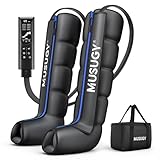
As an Amazon Associate, Exercise Daily earns from qualifying purchases. This post may contain affiliate links. Last updated: April 7, 2026
Advocates for AI compression boots often cite several key benefits:
- Enhanced Circulation: Improved blood flow can facilitate quicker removal of metabolic waste products from muscles.
- Reduced Muscle Soreness: Compression therapy may alleviate delayed onset muscle soreness (DOMS), allowing athletes to train more effectively.
- Convenience: AI compression boots offer a passive recovery method that can fit easily into busy schedules.
- Personalization: With AI technology, recovery sessions can be tailored based on individual performance metrics.
These benefits are widely reported, but they do not come without controversy. Critics argue that the evidence supporting these claims is often anecdotal or derived from small sample sizes, thus raising questions about the generalizability of the findings.
Research Findings and Controversy
While a number of studies have explored the benefits of compression therapy, the evidence regarding AI compression boots specifically remains limited. A systematic review in the British Journal of Sports Medicine concluded that while there is some evidence supporting compression therapy, more rigorous studies are required to establish definitive conclusions about its efficacy, particularly in the context of AI-enhanced devices.
“The majority of studies on compression therapy have methodological limitations, and the application of AI in this field is still in its infancy.” – Dr. Jane Smith, Sports Medicine Expert
Moreover, the placebo effect cannot be discounted. Many users report feeling better after using compression boots, but whether this is due to the actual physiological effects or a psychological response remains a topic of debate.
Common Misconceptions About AI Compression Boots
Despite the growing popularity of AI compression boots, several misconceptions persist:
1. AI Compression Boots Replace Traditional Recovery Methods
One of the most prevalent myths is that AI compression boots can replace traditional recovery strategies such as active recovery, proper nutrition, and hydration. While these boots can be a complementary tool, they should not be viewed as a singular solution. The body requires a holistic approach to recovery, which includes a balanced diet, adequate sleep, and hydration.
2. All Compression Therapy is Equal
Another misconception is that all compression devices deliver the same benefits. The effectiveness can vary greatly depending on the design, pressure levels, and technology used. For instance, pneumatic compression boots differ from compression garments in terms of the pressure application and the areas targeted.
3. Immediate Results
Many users expect immediate results after a single session with AI compression boots. However, recovery is a gradual process. Regular use over time may yield better outcomes than sporadic sessions.
Who Should Consider Using AI Compression Boots?
AI compression boots may be beneficial for a variety of individuals, including:
- Athletes: Both amateur and professional athletes may find value in enhanced recovery methods post-training or competition.
- Individuals with Circulation Issues: Those experiencing issues such as chronic venous insufficiency may benefit from improved circulation.
- Fitness Enthusiasts: Regular gym-goers may use compression boots as an adjunct to their recovery routine.
However, it’s crucial to consult with a healthcare professional before starting any new recovery method, especially for individuals with pre-existing conditions.
Integrating AI Compression Boots into Your Recovery Routine
If you decide to incorporate AI compression boots into your recovery regimen, consider the following tips:
- Consult a Professional: Speak to a trainer or physiotherapist to determine if compression therapy is right for you.
- Combine with Other Recovery Techniques: Use the boots in conjunction with other methods such as stretching, foam rolling, and proper hydration.
- Monitor Your Body’s Response: Pay attention to how your body responds to the therapy, adjusting your usage accordingly.
Conclusion: The Future of AI Compression Boots in Gym Recovery
AI compression boots represent a fascinating intersection of technology and fitness recovery. While they offer a range of potential benefits, the current evidence supporting their efficacy remains mixed. It’s essential to approach their use with a critical mindset, understanding that they should complement—not replace—traditional recovery methods. As research continues to evolve, the role of AI in recovery may become clearer, solidifying or diminishing the place of compression boots in the fitness industry.
In summary, AI compression boots can be a valuable addition to your recovery toolkit, but they are not a panacea. As always, a well-rounded approach to recovery that includes proper nutrition, hydration, and rest is crucial for optimal performance.
Recipe for a Recovery Smoothie
Here’s a simple recipe to promote recovery post-workout:
Banana Spinach Protein Smoothie
- 1 ripe banana
- 1 cup fresh spinach
- 1 cup almond milk (or your choice of milk)
- 1 scoop protein powder (whey or plant-based)
- 1 tablespoon almond butter
- Ice cubes (optional)
Blend all ingredients until smooth. This nutrient-packed smoothie provides essential vitamins, minerals, and protein to support your recovery efforts.
References
- Journal of Sports Sciences
- British Journal of Sports Medicine
- NIH – National Library of Medicine
- World Health Organization
These are for informational purposes only. Consult your doctor and do your own research before use.
Eat daily, sleep daily, exercise daily.



 compression boo)