

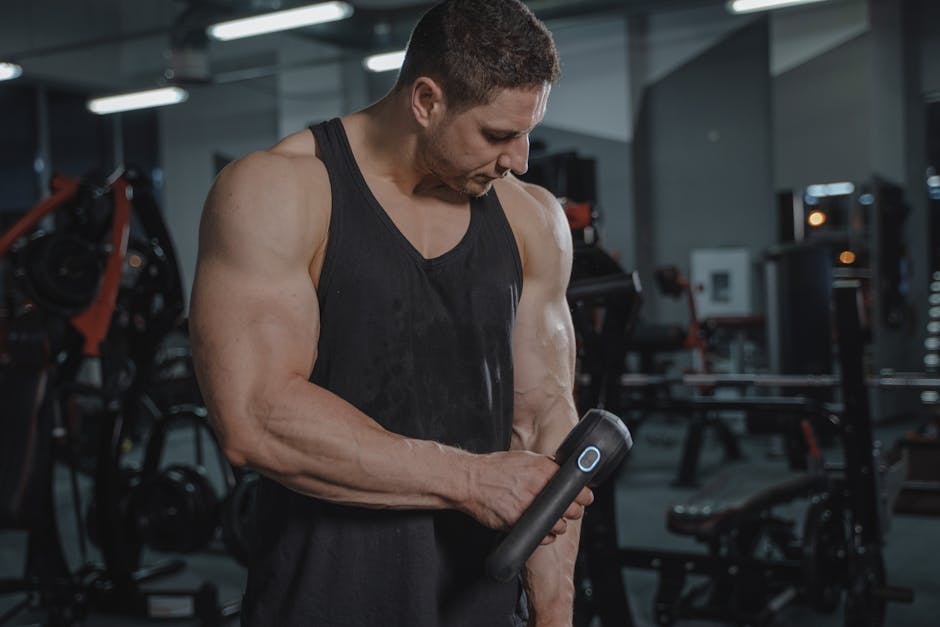
Exercise Daily _ AI Recovery Device For Muscle Soreness
Relying solely on traditional recovery methods like foam rolling and static stretching is a mistake that can leave your muscles in a constant state of soreness. Despite the popularity of these techniques, many athletes and fitness enthusiasts overlook a game-changing tool: AI recovery devices designed specifically for muscle soreness. These innovative gadgets not only enhance recovery but also challenge the status quo of fitness recovery methods. It’s time to rethink our approach to post-workout recovery and embrace the future of muscle care.
Who This Is For
- Athletes seeking to optimize recovery times after intense training sessions.
- Busy adults who struggle to fit recovery into their hectic schedules.
- Parents who want to manage muscle soreness while juggling family responsibilities.
- Individuals recovering from injuries looking for efficient rehabilitation tools.
- Fitness enthusiasts wanting to enhance their performance and reduce downtime.
What Most People Get Wrong




As an Amazon Associate, Exercise Daily earns from qualifying purchases. This post may contain affiliate links. Last updated: April 6, 2026
Many fitness enthusiasts believe that muscle soreness is simply a badge of honor, indicating a good workout. This misconception can lead to inadequate recovery practices, ultimately hindering performance. While some discomfort can signal progress, ignoring proper recovery can result in overtraining, injury, and burnout. Furthermore, traditional methods like ice baths or excessive stretching may not be as effective as we once thought. For instance, a study published in the Journal of Sports Medicine highlights that active recovery, which can be supported by AI technology, often yields better outcomes than passive recovery methods.
Moreover, many are unaware of how the body’s recovery processes work. The inflammatory response, which occurs post-exercise, is crucial for healing and adaptation. Over-relying on methods that inhibit this natural process can be counterproductive. AI recovery devices, utilizing advanced algorithms, can provide tailored recovery protocols that adapt to individual needs, ensuring optimal healing while minimizing soreness.
Explore more in our Exercise section.
Why This Actually Works
AI recovery devices leverage data-driven insights to offer personalized recovery experiences. These devices often incorporate technologies such as electrical stimulation, heat therapy, and vibration to enhance muscle recovery. For instance, a 2020 study in the Journal of Rehabilitation Research and Development found that electrical stimulation could significantly reduce muscle soreness and improve recovery times when applied post-exercise.
Moreover, AI can analyze individual recovery patterns, adjusting the intensity and type of therapy needed based on real-time feedback. This personalization is critical, as each athlete’s body responds differently to stress and recovery techniques. For example, a professional athlete may require a different recovery approach than a weekend warrior. By utilizing AI, users can ensure that their recovery routines are as effective and efficient as possible.
Real-World Applications
Consider a triathlete who trains for multiple hours daily. Using a traditional recovery method like ice baths may not suffice for the muscle recovery needed. An AI recovery device can provide tailored electrical stimulation treatment based on the triathlete’s specific soreness and fatigue levels, promoting faster recovery and enhancing performance. Similarly, busy parents who might not have time for lengthy recovery sessions can benefit from quick, effective recovery solutions offered by these devices, allowing them to maximize their limited downtime.
Explore more in our Fitness section.
Furthermore, recreational athletes engaging in high-intensity interval training (HIIT) can also find significant benefits from AI recovery devices. For instance, after a demanding session, these individuals may experience delayed onset muscle soreness (DOMS) that can impact their next workout. An AI recovery device can help alleviate this soreness through targeted therapy, allowing athletes to maintain their training schedule without extended breaks.
Integrating AI Recovery Devices into Your Routine
To effectively integrate AI recovery devices into your routine, start by assessing your individual needs. Consider factors such as your fitness level, training intensity, and specific soreness patterns. Many devices offer app connectivity, allowing you to track your progress and adjust your recovery protocols accordingly. This data-driven approach not only helps in understanding your body’s responses but also aids in optimizing your overall performance.
Additionally, consistency is key. Just as with physical training, regular use of AI recovery devices can yield significant benefits. Aim to incorporate these devices into your post-workout routine, spending anywhere from 10 to 30 minutes based on the device’s recommendations and your personal comfort level. For example, you might choose to use the device immediately after your workout while your muscles are still warm, which can enhance the effectiveness of the therapy.
Explore more in our Nutrition section.
It’s also important to set specific recovery goals. Are you looking to reduce soreness, enhance flexibility, or improve overall performance? Clearly defining your objectives can help you select the right AI recovery device and tailor your sessions to meet your needs. This may involve experimenting with different settings and techniques until you find what works best for you.
Frequently Asked Questions
1. Are AI recovery devices suitable for everyone?
Yes, AI recovery devices can be beneficial for a wide range of individuals, from elite athletes to casual fitness enthusiasts. However, it’s essential to choose a device that suits your specific needs and consult with a healthcare professional if you have any underlying medical conditions.
2. How often should I use an AI recovery device?
The frequency of use can vary based on your training intensity and personal recovery needs. Generally, using the device post-workout or on rest days can be effective. Listen to your body and adjust usage as needed. Some may find that using the device daily enhances their recovery, while others may only need it a few times a week.
3. Can AI recovery devices replace traditional recovery methods?
While AI recovery devices can enhance recovery, they should complement traditional methods rather than replace them entirely. Incorporating a variety of recovery techniques, including hydration, nutrition, and rest, is essential for optimal recovery. For instance, pairing AI recovery with proper nutrition can help replenish depleted energy stores, thus speeding up the recovery process.
4. What should I look for when choosing an AI recovery device?
When selecting an AI recovery device, consider factors such as the types of therapies offered (e.g., electrical stimulation, heat, vibration), ease of use, app connectivity, and user reviews. Additionally, look for devices that allow customization based on your specific needs and offer data tracking capabilities to monitor your recovery progress effectively.
Conclusion
AI recovery devices present a revolutionary approach to muscle soreness management, challenging outdated recovery methods and offering personalized solutions based on real-time data. As we continue to embrace technology in our fitness journeys, understanding how to leverage these tools effectively can lead to improved performance and reduced downtime. Whether you’re an athlete, a busy professional, or a parent managing multiple responsibilities, integrating AI recovery devices into your routine can help you recover smarter, not harder. So, let go of the old myths and embrace the future of recovery.
Eat daily, sleep daily, exercise daily. Make recovery a priority in your fitness regimen, and witness the transformation in your performance and overall well-being.