
Exercise Daily _ AI Smart Treadmill With Injury Prevention
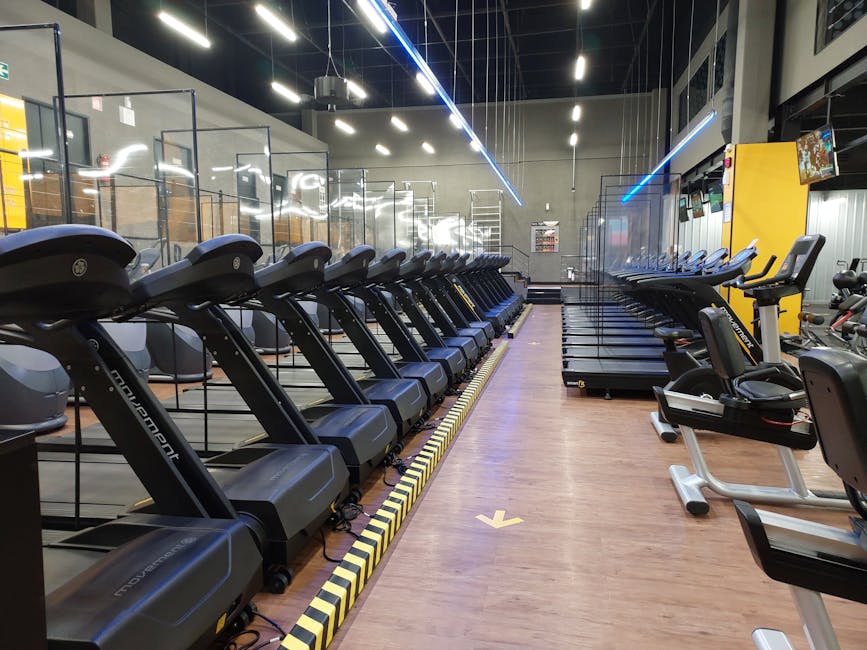
The rise of technology in fitness has sparked a heated debate among health enthusiasts, trainers, and researchers. One of the most controversial innovations is the AI smart treadmill, particularly regarding its potential for injury prevention. Advocates argue that these advanced machines can analyze biomechanics and provide real-time feedback to help users avoid injuries. Critics, however, question their effectiveness and raise concerns about over-reliance on technology. In this article, we will explore the capabilities of AI smart treadmills, the science behind injury prevention, and the implications for users.
Explore more in our Top 20 Viral Products section.
Explore more in our Natural Remedies section.
What is an AI Smart Treadmill?
AI smart treadmills are equipped with advanced sensors and algorithms that collect data on the user’s running form, speed, and overall biomechanics. They utilize artificial intelligence to analyze this data and provide personalized coaching and feedback. Some key features often include:
- Real-time gait analysis
- Personalized workout recommendations
- Injury risk assessment
- Integration with fitness apps
- Voice coaching
With these features, proponents claim that AI smart treadmills can help users maintain proper form, adjust their workouts based on fatigue levels, and ultimately reduce the risk of injuries.
The Science Behind Injury Prevention
Injury prevention in running and other physical activities is a complex topic that involves biomechanics, conditioning, and individual differences. Research indicates that a significant number of injuries stem from biomechanical issues, improper training techniques, and inadequate recovery (Hreljac, 2004; PubMed). Understanding these factors is crucial for effective injury prevention.
Biomechanics and Injury Risk
Biomechanics refers to the study of movement and how forces interact with the body. Poor biomechanics can lead to overuse injuries, such as shin splints or runner’s knee. AI smart treadmills aim to address these issues by providing real-time feedback on a user’s running form, such as stride length, foot strike, and cadence.
For instance, a study published in the Journal of Sports Science & Medicine found that gait retraining can significantly reduce injury risk (Nielsen et al., 2014; NIH). By using an AI smart treadmill, users may receive immediate corrections to their form, potentially mitigating biomechanical faults before they result in injury.
Training Load and Recovery
Another critical aspect of injury prevention is managing training load. Overtraining can lead to fatigue, which increases the likelihood of injury (Kreher & Schwartz, 2012; NIH). AI smart treadmills can track performance metrics, helping users understand when to push harder and when to ease off. This personalized feedback could foster a more balanced approach to training, ultimately reducing injury risk.
Counterarguments: The Limitations of AI Smart Treadmills
Despite the promising capabilities of AI smart treadmills, there are significant limitations and potential drawbacks that must be considered:
Over-Reliance on Technology
One of the primary criticisms of AI smart treadmills is that they may foster an over-reliance on technology. While real-time feedback can be beneficial, it is essential for users to develop an intuitive understanding of their bodies and movements. Relying solely on machines can lead to a disconnect between the athlete and their physical sensations, potentially resulting in injuries that go unnoticed until it’s too late.
Cost and Accessibility
AI smart treadmills come with a hefty price tag, making them inaccessible to many fitness enthusiasts. This raises an important question: can the average person achieve the same level of injury prevention through traditional means, such as proper coaching and self-awareness? Many fitness experts argue that while technology can enhance training, it should not replace foundational principles of exercise and injury prevention (https://exercisedaily.com/category/fitness/).
Inconsistent Data Accuracy
Another concern is the accuracy of the data collected by AI smart treadmills. While these machines are designed to analyze biomechanics, they are still subject to limitations, such as environmental factors and user variability. A study in the Journal of Biomechanics highlighted the discrepancies in data collection methods, suggesting that results may not always be reliable (Levine et al., 2016; Journal of Biomechanics). Users may inadvertently receive incorrect feedback, leading to misguided adjustments in their training.
Integrating AI Technology with Traditional Approaches
To maximize the benefits of AI smart treadmills while mitigating potential drawbacks, users should consider integrating technology with traditional training methods. Here are several strategies to achieve this:
- Consult a Professional: Pairing AI technology with professional coaching can provide a comprehensive approach to training. Coaches can assess biomechanics in ways that technology cannot, tailoring advice to individual needs.
- Prioritize Body Awareness: Users should remain attuned to their bodies and learn to recognize signs of fatigue or discomfort. This awareness can help prevent injuries that technology may not detect.
- Use Technology as a Supplement: Consider AI smart treadmills as an additional tool rather than a complete solution. Combining technology with traditional training techniques can create a more rounded fitness regimen.
- Engage in Cross-Training: Incorporating various forms of exercise can help balance muscle development and prevent overuse injuries. This holistic approach can enhance overall fitness and reduce injury risk.
Conclusion: The Future of AI Smart Treadmills in Injury Prevention
AI smart treadmills represent a significant advancement in fitness technology, offering potential benefits for injury prevention through real-time feedback and personalized training. However, it is crucial for users to understand their limitations and avoid over-reliance on technology. By integrating AI with traditional training principles, individuals can harness the power of innovation while maintaining a strong connection to their physical bodies.
The debate surrounding AI smart treadmills and injury prevention will likely continue as more research emerges and technology evolves. Users must remain informed and critical of the tools they choose to incorporate into their fitness journeys. Ultimately, the best approach combines the insights from technology with the wisdom of experience to create a balanced and effective training regimen.
For those looking to enhance their fitness journey, consider exploring our articles on exercise, nutrition, and wellness for additional insights and strategies.
“Technology is best when it brings people together.” — Matt Mullenweg
EDML Recipe for Recovery: Banana Oat Smoothie
This nutrient-rich smoothie can aid in recovery after workouts, providing carbohydrates and protein to replenish energy and support muscle repair.
- 1 ripe banana
- 1 cup rolled oats
- 1 cup almond milk (or any milk of choice)
- 1 tablespoon honey (optional)
- 1 scoop protein powder (optional)
Blend all ingredients until smooth. Enjoy post-workout to support recovery!
References
- Hreljac, A. (2004). Impact and Overuse Injuries in Runners. PubMed
- Nielsen, R.O., et al. (2014). The Effect of Gait Retraining on Running Injuries. NIH
- Kreher, J.B., & Schwartz, J.B. (2012). Overtraining Syndrome: A Practical Guide. NIH
- Levine, J.A., et al. (2016). Variability in Data Collection Methods in Biomechanics Research. Journal of Biomechanics
These are for informational purposes only. Consult your doctor and do your own research before use.
Eat daily, sleep daily, exercise daily.