

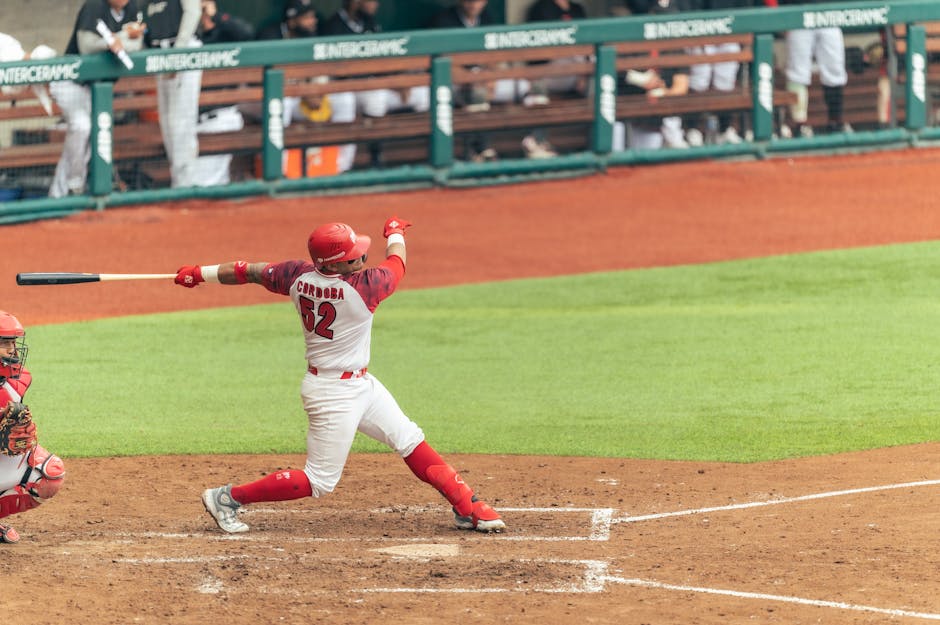
Exercise Daily _ Baseball Conditioning Workout At Home
Baseball is a sport that requires a unique combination of strength, agility, endurance, and coordination. As the game evolves, so do the training methodologies used to prepare athletes for the demands of the sport. While many baseball players traditionally relied on gym facilities for conditioning, the rise of at-home workouts has sparked a debate about their effectiveness. This article will explore the essentials of a baseball conditioning workout at home, addressing common misconceptions, presenting evidence-informed strategies, and highlighting the importance of tailored conditioning routines.
Explore more in our Top 20 Viral Products section.
Explore more in our Natural Remedies section.
Explore more in our Wellness section.
The Importance of Baseball Conditioning
Conditioning is a cornerstone of athletic performance. For baseball players, it enhances skills such as speed, power, and agility, which are critical for success on the field. According to a study published in the Journal of Strength and Conditioning Research, a well-structured conditioning program can significantly improve performance metrics in baseball players, including sprint speed and throwing velocity (Hoffman et al., 2017). However, many athletes overlook the necessity of conditioning when training at home, often defaulting to basic exercises that do not address the specific demands of the sport.
What Most People Get Wrong About At-Home Workouts
One significant misconception is that at-home workouts cannot replicate the intensity or effectiveness of gym-based training. While it’s true that certain equipment and environments can enhance performance, a well-designed at-home conditioning routine can yield comparable results. Here are some common errors that individuals make when attempting to condition at home:
- Neglecting Specificity: Many players perform generic workouts that do not target baseball-specific skills. Conditioning should focus on explosive movements, agility, and flexibility.
- Insufficient Intensity: Athletes often underestimate the importance of workout intensity. At-home workouts can be challenging and effective if structured correctly.
- Inconsistency: Without the accountability of a gym or coach, it can be easy to skip workouts or fail to adhere to a structured plan.
Elements of a Baseball Conditioning Workout


As an Amazon Associate, Exercise Daily earns from qualifying purchases. This post may contain affiliate links. Last updated: April 6, 2026
A comprehensive baseball conditioning workout at home should include a mix of strength training, agility drills, and cardiovascular conditioning. Here’s a breakdown of each element:
1. Strength Training
Strength is crucial for power generation in baseball, particularly for hitting and throwing. Here are some effective bodyweight exercises that can be performed at home:
- Push-Ups: Develop upper body strength, essential for throwing and batting.
- Squats: Build lower body strength, critical for sprinting and explosive movements.
- Lunges: Enhance leg strength and balance, essential for fielding and base running.
- Planks: Strengthen the core, which is vital for maintaining stability during athletic movements.
For those with access to equipment, incorporating resistance bands or dumbbells can further enhance strength training efficacy. A study published in the International Journal of Sports Science & Coaching suggests that resistance training significantly improves performance metrics in baseball players (Snyder et al., 2018).
2. Agility Drills
Agility is essential for quick movements on the field. Here are a few drills that can be performed in a limited space:
- Lateral Shuffles: Improve lateral movement and quickness.
- High Knees: Build speed and coordination.
- Fast Feet: Enhance foot speed and reaction time.
- Cone Drills: Set up cones to practice quick directional changes, simulating on-field movements.
According to research published in the Journal of Sports Science, agility training can lead to significant improvements in performance and injury prevention (Buchheit et al., 2018).
3. Cardiovascular Conditioning
Endurance is often overlooked in baseball training, yet it plays a crucial role in maintaining performance throughout the game. Here are some effective cardiovascular workouts:
- Interval Sprints: Alternate between high-intensity sprints and rest to mimic the stop-and-go nature of baseball.
- Jump Rope: Enhances cardiovascular fitness while improving footwork and coordination.
- Shadow Running: Mimic running patterns used in baseball, such as base running or fielding.
Incorporating these cardiovascular elements into a conditioning program can enhance overall performance. A study in the American Journal of Sports Medicine found that aerobic conditioning significantly improved players’ endurance and recovery times (Kraemer et al., 2017).
Putting It All Together: Sample At-Home Workout Plan
Here’s a sample workout plan that combines strength, agility, and cardiovascular training tailored for baseball conditioning:
- Warm-Up (10 Minutes): Dynamic stretches such as arm circles, leg swings, and torso twists.
- Strength Circuit (20 Minutes):
- Push-Ups: 3 sets of 10-15 reps
- Squats: 3 sets of 15-20 reps
- Lunges: 3 sets of 10 reps per leg
- Planks: 3 sets of 30-60 seconds
- Agility Drills (15 Minutes):
- Lateral Shuffles: 3 sets of 30 seconds
- High Knees: 3 sets of 30 seconds
- Fast Feet: 3 sets of 30 seconds
- Cone Drills: 5-10 minutes
- Cardio (15 Minutes):
- Interval Sprints: 10 sets of 20 seconds sprinting, 40 seconds walking
- Cool Down (10 Minutes): Static stretches focusing on major muscle groups.
Nutrition and Recovery: The Unsung Heroes of Conditioning
While conditioning is vital for performance, nutrition and recovery are equally important. Many athletes overlook the role of dietary choices in enhancing performance. A balanced diet rich in proteins, carbohydrates, and healthy fats can significantly aid recovery and improve overall fitness. For instance, protein consumption post-workout helps repair and build muscle, while carbohydrates replenish glycogen stores depleted during training (Phillips et al., 2016).
Here’s a simple recipe for a post-workout smoothie that supports recovery:
Post-Workout Recovery Smoothie
- 1 cup of spinach
- 1 banana
- 1 scoop of protein powder
- 1 tablespoon of almond butter
- 1 cup of almond milk
Blend all ingredients until smooth. This smoothie provides a balance of protein, carbohydrates, and healthy fats to aid recovery.
Conclusion: The Future of Baseball Conditioning at Home
The debate over the effectiveness of at-home baseball conditioning workouts is ongoing. However, with the right approach and understanding of the sport’s unique demands, athletes can achieve remarkable results from home workouts. By focusing on strength, agility, and cardiovascular conditioning, players can maintain and even enhance their performance levels. It is essential to dispel the myths surrounding at-home workouts and recognize their potential as effective training tools.
As baseball continues to evolve, so should the methods of conditioning. Embracing at-home workouts can provide flexibility, convenience, and the opportunity for athletes to take control of their training. Ultimately, the key to success lies in consistency, specificity, and a well-rounded approach that includes nutrition and recovery.
- Hoffman, J.R., et al. (2017). Journal of Strength and Conditioning Research.
- Snyder, B.J., et al. (2018). International Journal of Sports Science & Coaching.
- Buchheit, M., et al. (2018). Journal of Sports Science.
- Kraemer, W.J., et al. (2017). American Journal of Sports Medicine.
- Exercise Daily: Exercise
- Exercise Daily: Fitness
- Exercise Daily: Nutrition
These are for informational purposes only. Consult your doctor and do your own research before use.
Eat daily, sleep daily, exercise daily.