

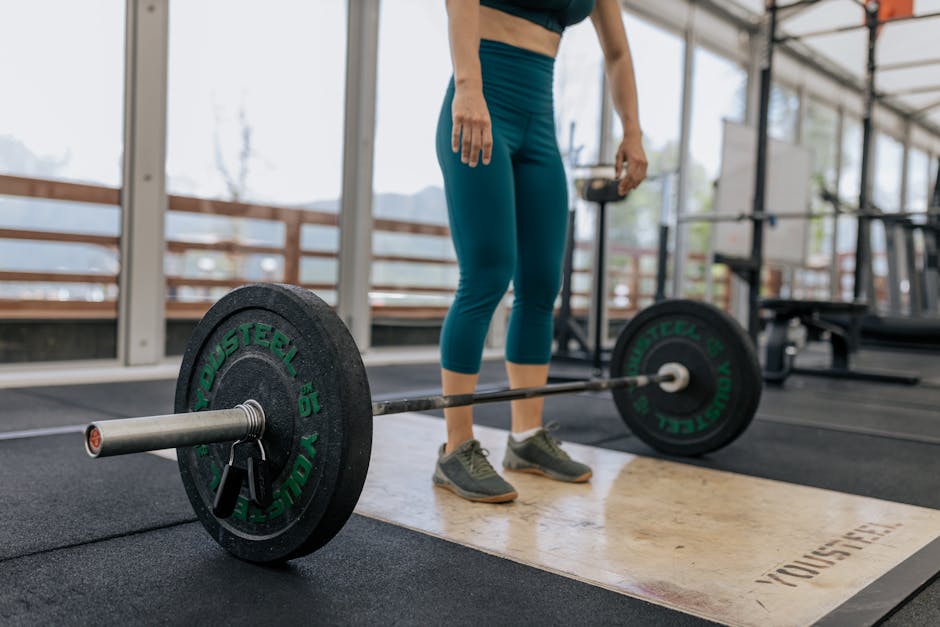
Exercise Daily _ Beginner Weight Lifting Routine At Home
It’s time to shatter the myth that weight lifting is exclusively for seasoned gym-goers or that you need fancy equipment to get started. Many believe that without access to a fully equipped gym, effective weight lifting is out of reach. This couldn’t be further from the truth. In fact, a simple beginner weight lifting routine at home can not only build strength but also enhance your overall fitness without the intimidation factor of a gym environment. This article provides a comprehensive guide to help you start your weight lifting journey with confidence and clarity.
For more guidance, see Nutrition.
For more guidance, see Fitness.
For more guidance, see Exercise.
Who This Is For
- Individuals who are new to strength training and want to build foundational skills.
- Those who prefer exercising in the comfort of their own home.
- People looking to save time and money by avoiding gym memberships.
- Anyone who feels intimidated by traditional gym settings.
- Fitness enthusiasts seeking to diversify their workout routine.
Understanding the Basics of Weight Lifting
Before diving into a beginner weight lifting routine, it’s essential to grasp the fundamental principles of weight training. Weight lifting is not just about lifting heavy objects; it’s about understanding your body mechanics and how to use resistance to stimulate muscle growth. At home, you can utilize bodyweight exercises, resistance bands, or even household items like water bottles or backpacks filled with books to create effective workouts. Understanding the different types of resistance training—such as isotonic (constant tension) and isometric (static contraction)—is beneficial as you begin to explore your fitness journey.
Additionally, it’s crucial to recognize the role of muscle groups in weight lifting. Major muscle groups include the chest, back, legs, shoulders, and arms. A well-rounded routine should target these areas to promote balanced development and prevent injuries. The American College of Sports Medicine recommends incorporating exercises for all major muscle groups at least twice a week. This ensures your body develops evenly and functions optimally in daily activities.
What Most People Get Wrong



As an Amazon Associate, Exercise Daily earns from qualifying purchases. This post may contain affiliate links. Last updated: April 6, 2026
One of the most common mistakes beginners make is jumping straight into heavy lifting without understanding their body’s needs. Many assume that the more weight they lift, the better their results will be. This misconception leads to improper form, increased injury risk, and ultimately, burnout. Instead, focusing on proper technique and gradually increasing resistance is crucial. According to a study published in the Journal of Strength and Conditioning Research, beginners who prioritize form over weight consistently show better long-term results.
Additionally, many people ignore the importance of warming up and cooling down. Skipping these essential components can lead to muscle strains and hinder your progress. A proper warm-up increases blood flow to your muscles and prepares your body for the workout ahead. Dynamic stretches and light cardio, such as jogging in place or jumping jacks, can effectively warm up your muscles. Conversely, cooling down helps in recovery and reduces muscle soreness, making it an integral part of any routine. Static stretches after your workout can improve flexibility and aid in muscle recovery.
Creating Your Beginner Weight Lifting Routine
Now that you understand what to avoid, let’s build a beginner weight lifting routine that you can do at home. This routine focuses on major muscle groups and can be performed 2-3 times per week, allowing for adequate recovery. Always start with a warm-up, such as light cardio or dynamic stretches, to prepare your body for the workout. Here’s a sample beginner weight lifting routine that you can follow:
Sample Beginner Weight Lifting Routine
- Bodyweight Squats: 3 sets of 10-15 reps
- Push-Ups: 3 sets of 8-12 reps (modify by doing them on your knees if necessary)
- Bent-Over Rows with Water Bottles: 3 sets of 10-15 reps
- Plank: 3 sets, hold for 20-30 seconds
- Glute Bridges: 3 sets of 10-15 reps
As you progress, consider incorporating resistance bands or light dumbbells to increase the challenge. The key is to focus on form and control rather than the amount of weight lifted. This approach not only builds strength but also enhances your body’s stability and coordination. For example, during bodyweight squats, ensure your knees do not extend beyond your toes to protect your joints. When performing push-ups, maintain a straight line from your head to your heels to engage your core effectively.
Why This Actually Works
This beginner weight lifting routine works because it emphasizes compound movements that engage multiple muscle groups simultaneously. Exercises like squats and push-ups not only build strength but also improve functional fitness, which is vital for everyday activities. According to the National Institutes of Health, strength training is linked to numerous health benefits, including improved bone density, enhanced metabolic rate, and better mental health outcomes. Strength training can also boost your mood and energy levels, thanks to the endorphins released during exercise.
Moreover, when you lift weights, your body undergoes physiological changes that promote muscle growth and fat loss. The process of muscle repair after lifting leads to hypertrophy, meaning your muscles become larger and stronger over time. Research shows that consistent resistance training can lead to significant improvements in muscle strength and endurance, even when performed at home with minimal equipment. This adaptability highlights the effectiveness of bodyweight and resistance training in achieving fitness goals.
Common Misconceptions About Home Weight Lifting
Another common misconception is that home workouts lack effectiveness compared to gym workouts. This belief stems from the idea that gym equipment is superior, but the reality is that bodyweight exercises and improvised weights can yield excellent results. The effectiveness of a workout hinges more on the effort and consistency than on the equipment used. In fact, many athletes and trainers utilize bodyweight training as a foundation before progressing to heavier weights. It’s essential to realize that utilizing your body weight can be just as effective in building strength when done correctly and with the right intensity.
Furthermore, some individuals believe that they must follow a rigid routine to see results. While structure is important, flexibility in your routine can also lead to success. Listening to your body and allowing for variations in your exercises can prevent boredom and keep you motivated. For example, if you feel fatigued one day, opt for lighter weights or focus on bodyweight exercises to maintain your routine without overexerting yourself.
Frequently Asked Questions
1. How often should I do weight lifting at home?
For beginners, aim for 2-3 times per week. This frequency allows your muscles to recover and adapt, promoting strength gains without overtraining. Ensure you have at least one rest day between sessions targeting the same muscle groups to facilitate recovery and growth.
2. Do I need special equipment to start weight lifting at home?
No, you can start with bodyweight exercises and gradually incorporate items like resistance bands, water bottles, or light dumbbells as you progress. If you choose to invest in equipment, look for versatile items that can be used for various exercises, maximizing your workout options.
3. What should I do if I feel pain during lifting?
It’s crucial to differentiate between discomfort and pain. If you experience sharp pain, stop the exercise immediately. Adjust your form or consult a fitness professional for guidance. Listening to your body is essential; if you feel persistent discomfort, it may be beneficial to take a break and allow your body time to recover.
Conclusion
Embarking on a beginner weight lifting routine at home can be a transformative experience, both physically and mentally. By dispelling common myths and focusing on proper techniques, you can create a sustainable fitness habit that enhances your strength and overall well-being. Remember, consistency is key. As you grow stronger, gradually increase the intensity of your workouts, but always prioritize your form. With dedication and the right mindset, you’ll find that home workouts can be just as effective as those in a gym setting.
- References
- American College of Sports Medicine. (2012). Quantity and Quality of Exercise for Developing and Maintaining Cardiorespiratory, Muscular, and Bone Health in Apparently Healthy Adults.
- National Institutes of Health. (2019). The Benefits of Strength Training: A Review of the Evidence.
- World Health Organization. (2018). Physical Activity and Adults.
- Journal of Strength and Conditioning Research. (2017). Resistance Training for Health and Fitness.
- American Journal of Lifestyle Medicine. (2017). Home-Based Strength Training: A Review of the Literature.
Eat daily, sleep daily, exercise daily.