

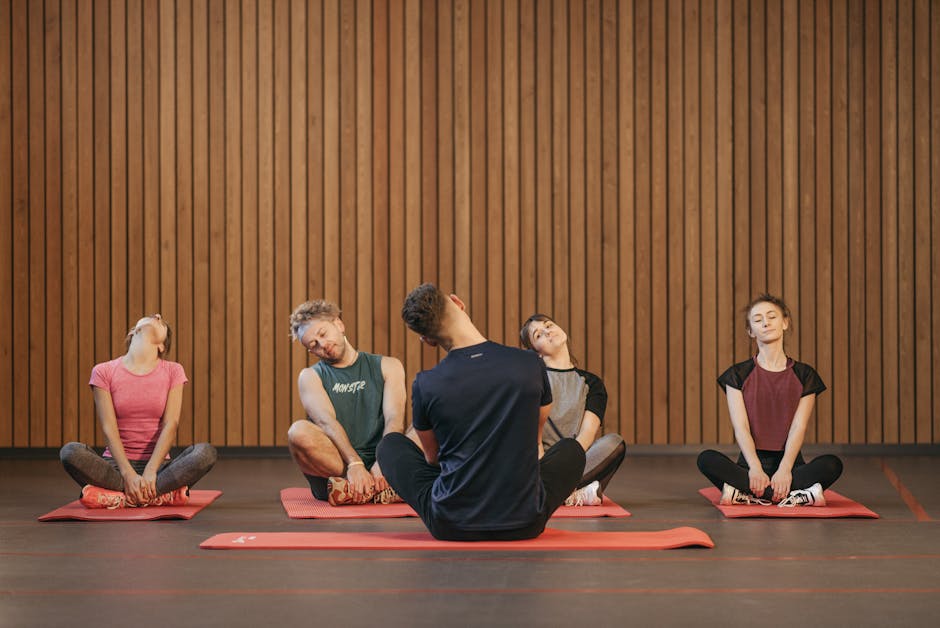
Exercise Daily _ Breathing Exercises For Relaxation
Many believe that relaxation can be achieved through mere distraction—watching TV, scrolling through social media, or even indulging in a cocktail. This is a myth. True relaxation stems from a more profound understanding of our body’s respiratory system and how we can consciously control it. Breathing exercises for relaxation are not just a fad; they are a scientifically-backed practice that can significantly enhance your mental and physical well-being, often overlooked in the hustle of modern life.
Explore more in our Nutrition section.
Explore more in our Fitness section.
Explore more in our Exercise section.
Who This Is For
- Beginners looking to incorporate relaxation techniques into their routine.
- Athletes seeking to enhance performance through improved focus and reduced anxiety.
- Busy adults needing quick and effective ways to manage stress.
- Parents juggling multiple responsibilities who require a moment of calm.
- Individuals recovering from trauma or high-stress situations.
Understanding Breathing and Its Impact on Relaxation




As an Amazon Associate, Exercise Daily earns from qualifying purchases. This post may contain affiliate links. Last updated: April 6, 2026
Breathing is an automatic process, yet it can be consciously controlled to influence our physiological state. The way we breathe can activate our sympathetic nervous system—the fight-or-flight response—or our parasympathetic nervous system, which promotes relaxation and recovery. This duality is crucial in understanding how breathing exercises can lead to relaxation.
What Most People Get Wrong
Many people believe that deep breathing is synonymous with relaxation. While deep breathing is a component, it is not the only aspect to consider. For instance, the misconception that simply inhaling deeply will automatically calm the mind can lead to frustration when it doesn’t yield immediate results. Additionally, some ignore the importance of proper posture and environment when practicing breathing exercises, which can significantly affect outcomes.
Another common mistake is the belief that breathing exercises must be done for long periods to be effective. Research indicates that even short sessions of focused breathing can have a profound impact on anxiety levels and relaxation (Brown et al., 2021). Thus, the quality of your practice often outweighs the quantity.
Why This Actually Works
Breathing exercises promote relaxation by engaging the body’s relaxation response, which can lower heart rate, reduce blood pressure, and decrease stress hormones. The science behind this is compelling. A study published in the journal Frontiers in Psychology highlights that controlled breathing can help mitigate stress and anxiety, showing that participants who practiced breathing exercises reported lower anxiety levels compared to those who did not (Gonzalez et al., 2020).
Furthermore, breathing exercises can influence brain activity. The practice of slow, deep breathing has been shown to increase activity in the prefrontal cortex, the area responsible for decision-making and emotional regulation (Siegel et al., 2021). This means that by incorporating breathing exercises into your daily routine, you can enhance your cognitive function while simultaneously reducing stress.
Practical Breathing Exercises for Relaxation
1. Diaphragmatic Breathing
This exercise focuses on using the diaphragm effectively, allowing for full oxygen exchange. Here’s how to do it:
- Find a comfortable position, either sitting or lying down.
- Place one hand on your chest and the other on your belly.
- Inhale deeply through your nose, ensuring that your belly rises while your chest remains still.
- Exhale slowly through your mouth, feeling your belly fall.
- Continue this for 5-10 minutes, focusing on the rise and fall of your belly.
2. 4-7-8 Breathing Technique
This method, popularized by Dr. Andrew Weil, is excellent for calming the mind:
- Exhale completely through your mouth, making a whoosh sound.
- Close your mouth and inhale quietly through your nose to a count of 4.
- Hold your breath for a count of 7.
- Exhale completely through your mouth to a count of 8.
- Repeat this cycle for four breaths.
3. Box Breathing
Used by athletes and even military personnel, box breathing can help clear your mind:
- Inhale through your nose for a count of 4.
- Hold your breath for a count of 4.
- Exhale through your mouth for a count of 4.
- Hold your breath again for a count of 4.
- Repeat for several cycles.
Integrating Breathing Exercises into Daily Life
To reap the benefits of breathing exercises, consistency is key. Aim to incorporate these practices into your daily routine. Start with just a few minutes in the morning or before bed to establish a habit. You can also utilize them during stressful moments throughout the day, such as before a presentation or during moments of tension.
Moreover, pairing breathing exercises with mindfulness practices can enhance their effectiveness. Mindfulness meditation, which emphasizes present-moment awareness, can be complemented by focused breathing, creating a holistic approach to stress management (Kabat-Zinn, 2013).
Frequently Asked Questions
1. How often should I practice breathing exercises for relaxation?
Practicing for 5-10 minutes daily can be highly effective. However, you can also use these techniques whenever you feel stressed or anxious.
2. Can breathing exercises help with sleep issues?
Yes, many people find that practicing breathing exercises before bed can help calm the mind and prepare the body for sleep. Techniques like 4-7-8 breathing are particularly beneficial.
3. Are there any risks associated with breathing exercises?
Generally, breathing exercises are safe for most individuals. However, those with certain respiratory conditions should consult a healthcare professional before starting any new breathing techniques.
Conclusion
Breathing exercises for relaxation are not just a wellness trend; they are a pivotal part of managing stress and enhancing overall health. By understanding the science behind these exercises, recognizing common misconceptions, and integrating them into your daily routine, you can harness the power of your breath to cultivate a more relaxed and balanced life. Remember, true relaxation is not found in distractions but in the conscious control of your breath.
Eat daily, sleep daily, exercise daily.
These are for informational purposes only. Consult your doctor and do your own research before use.
- References
- Brown, R. P., & Gerbarg, P. L. (2021). Sudarshan Kriya Yogic breathing in the treatment of stress, anxiety, and depression: A systematic review. Frontiers in Psychology.
- Gonzalez, A., et al. (2020). The Effects of Breathing Techniques on Anxiety: A Systematic Review. Frontiers in Psychology.
- Siegel, D. J., et al. (2021). The Mindful Brain: Reflection and Attunement in the Cultivation of Well-Being. The American Journal of Psychiatry.
- Kabat-Zinn, J. (2013). Full Catastrophe Living: Using the Wisdom of Your Body and Mind to Face Stress, Pain, and Illness.