

Exercise Daily _ Exercise Plan For People Over 40
As we age, our bodies undergo significant changes that can affect our physical fitness, health, and overall well-being. By the time we reach 40, many individuals begin to experience a decline in muscle mass, bone density, and metabolic rate. The common misconception is that exercise becomes less important or more dangerous after 40. However, the reality is quite the opposite. An effective exercise plan tailored for individuals over 40 can lead to improved health, increased longevity, and a better quality of life.
Explore more in our Natural Remedies section.
Explore more in our Wellness section.
Explore more in our Fitness section.
Understanding the Importance of Exercise After 40
Physical activity is essential at any age, but it becomes particularly crucial after 40. Research indicates that regular exercise can help mitigate many age-related health issues, such as cardiovascular disease, diabetes, and osteoporosis (Wang et al., 2019). In fact, a study published in the Journal of Aging Research found that older adults who engage in regular physical activity experience better mental health outcomes and lower rates of chronic disease.
Many people mistakenly believe that exercise is solely about losing weight or building muscle. While these are valuable aspects, exercise also plays a vital role in:
- Enhancing cardiovascular health
- Improving joint mobility and flexibility
- Boosting mood and mental health
- Increasing energy levels
- Maintaining a healthy weight
Common Misconceptions About Exercise After 40



As an Amazon Associate, Exercise Daily earns from qualifying purchases. This post may contain affiliate links. Last updated: March 28, 2026
When discussing exercise plans for people over 40, several misconceptions often arise. Addressing these can help individuals make informed decisions about their fitness journey.
1. “I Can’t Exercise Because I’m Too Old”
This belief is perhaps the most pervasive. Age alone does not determine your ability to exercise. The World Health Organization (WHO) emphasizes that older adults should engage in regular physical activity, regardless of age. The key is to tailor the exercise to fit individual capabilities.
2. “Strength Training Is Only for Young People”
Many people over 40 shy away from strength training, fearing injury or believing it is unnecessary. However, strength training is critical for maintaining muscle mass and bone density. A study in the Journal of Osteoporosis showed that older adults who engage in resistance training significantly increase their bone density and reduce the risk of fractures.
3. “Exercise Will Cause Injury”
While the risk of injury can increase with age, proper exercise techniques and precautions can mitigate this risk. It’s essential to start slow, progress gradually, and listen to your body. Many injuries result from improper form or overexertion, not the exercise itself.
Components of an Effective Exercise Plan for People Over 40
An effective exercise plan for individuals over 40 should include a mix of cardiovascular activity, strength training, flexibility work, and balance exercises. Here’s a breakdown:
1. Cardiovascular Exercise
Aerobic activities are essential for heart health and can include walking, cycling, swimming, or group classes. Aim for at least 150 minutes of moderate-intensity aerobic activity per week, as recommended by the Centers for Disease Control and Prevention (CDC).
2. Strength Training
Incorporate strength training exercises at least two days a week. Focus on all major muscle groups, using free weights, resistance bands, or body-weight exercises. Consider exercises like:
- Squats
- Push-ups
- Lunges
- Deadlifts
- Planks
These exercises not only build muscle but also improve functional strength, making daily activities easier.
3. Flexibility and Stretching
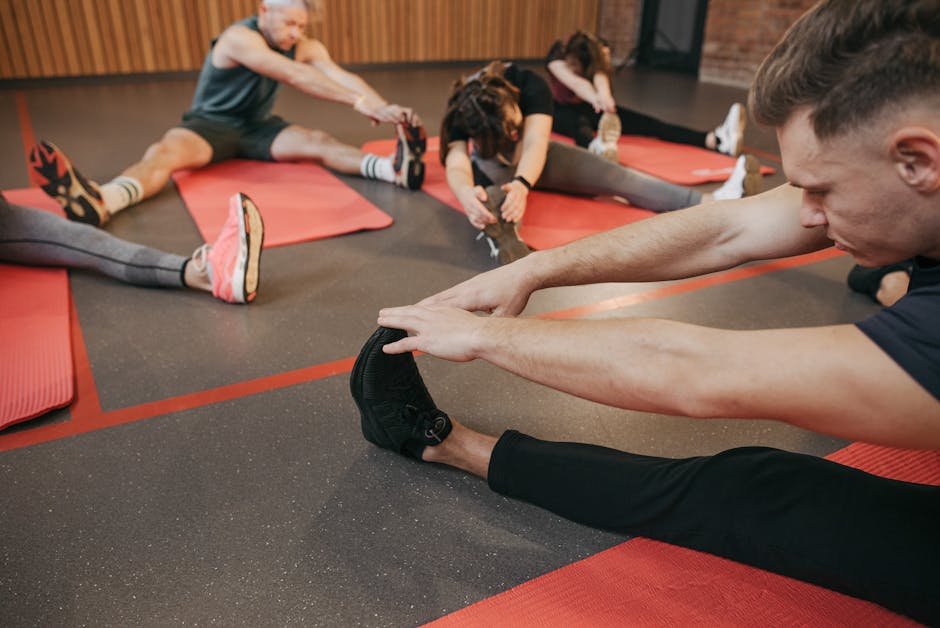
Flexibility exercises, such as yoga or Pilates, help maintain a full range of motion in the joints. Stretching should be incorporated into your routine at least three times a week. Focus on major muscle groups and hold each stretch for 15-30 seconds.
4. Balance Training
Balance becomes increasingly important as we age. Exercises such as tai chi, yoga, or simply standing on one leg can help improve stability and prevent falls. Aim for balance training at least three times a week.
Creating a Balanced Weekly Exercise Schedule
To maximize the benefits of exercise, consider a weekly schedule that incorporates all components. Here’s a sample plan:
- Monday: 30 minutes of brisk walking + 20 minutes of strength training
- Tuesday: 30 minutes of cycling + flexibility exercises
- Wednesday: Rest day or light yoga
- Thursday: 30 minutes of swimming + balance exercises
- Friday: 30 minutes of brisk walking + 20 minutes of strength training
- Saturday: 30 minutes of dancing or group fitness class
- Sunday: Rest day or gentle stretching
Nutrition’s Role in Supporting an Exercise Plan
Exercise alone isn’t enough to maintain health and fitness over 40; nutrition plays a pivotal role. As metabolism slows, it becomes crucial to consume a balanced diet rich in nutrients to support your exercise regimen.
Focus on:
- Lean proteins (chicken, fish, legumes)
- Whole grains (brown rice, quinoa, whole-grain bread)
- Fruits and vegetables (aim for a variety of colors)
- Healthy fats (avocado, nuts, olive oil)
Consider consulting a nutritionist to tailor a meal plan that complements your exercise goals. For more insights on nutrition, check out our nutrition section.
Addressing Potential Barriers to Exercise
Despite the benefits, many individuals over 40 face barriers to maintaining an exercise routine. Here are some common challenges and strategies to overcome them:
1. Lack of Time
Busy schedules can make it challenging to find time for exercise. Consider short, high-intensity workouts that can be completed in 20-30 minutes. Additionally, integrate physical activity into your daily routine, such as taking the stairs instead of the elevator.
2. Fear of Injury
Educate yourself on proper exercise techniques and consider working with a certified personal trainer, especially if you are new to exercise. They can help design a safe and effective program tailored to your needs.
3. Motivation
Finding motivation can be difficult. Setting realistic goals, tracking progress, and finding a workout buddy can help keep you accountable. Consider joining community classes or groups to enhance social interaction and motivation.
Conclusion: Embrace Fitness After 40
The notion that exercise is optional or dangerous for those over 40 is a myth. An effective exercise plan tailored for individuals over 40 can lead to significant health benefits and improved quality of life. By incorporating cardiovascular, strength, flexibility, and balance training into your routine, you can combat age-related declines and enhance your overall well-being.
Don’t let age define your fitness journey. Take charge of your health, and remember, it’s never too late to start. For more exercise tips and guidelines, visit our exercise section.
“The greatest wealth is health.” – Virgil
Recipe for a Healthy Post-Workout Snack
After a workout, it’s essential to refuel your body with a nutritious snack. Consider this simple recipe for a banana and almond smoothie:
Ingredients:
- 1 ripe banana
- 1 cup almond milk
- 1 tablespoon almond butter
- 1 tablespoon honey (optional)
- Ice cubes (optional)
Instructions:
- Blend all ingredients until smooth.
- Pour into a glass and enjoy immediately.
References
- Wang, Y., et al. (2019). Journal of Aging Research.
- Journal of Osteoporosis.
- World Health Organization (WHO).
- Centers for Disease Control and Prevention (CDC).
These are for informational purposes only. Consult your doctor and do your own research before use.
Eat daily, sleep daily, exercise daily.