
Exercise Daily _ Fitness Routine Without Gym Membership
In today’s fast-paced world, the notion that a gym membership is a prerequisite for a successful fitness routine is increasingly being challenged. Many individuals believe that without access to gym equipment, achieving fitness goals is nearly impossible. However, this article will explore the extensive possibilities of a fitness routine without a gym membership. We will delve into various strategies, counterarguments, and evidence-based practices that can help you achieve your fitness objectives without stepping into a gym.
Explore more in our Wellness section.
Explore more in our Fitness section.
Explore more in our Exercise section.
The Gym Membership Myth
First, let’s address the elephant in the room: the belief that a gym membership is essential for effective workouts. According to a study published in the *Journal of Physical Activity and Health*, gym-goers often overestimate the benefits of gym environments, while many effective workouts can be performed in the comfort of your home or outdoors (Gordon, et al., 2011). The idea that gym equipment is necessary for strength training, cardiovascular fitness, and flexibility is a misconception that needs to be debunked.
Counterarguments: Why Some Prefer the Gym
- Access to Equipment: Many people argue that gyms provide access to a wide range of equipment that can enhance workouts.
- Structured Environment: The gym environment can offer motivation and accountability.
- Social Interaction: Some individuals enjoy the social aspect of working out in a gym.
While these points hold value, they do not negate the effectiveness of a home-based fitness routine. In fact, studies have shown that home workouts can be just as effective, if not more so, for certain populations (Owen, et al., 2010). The key lies in understanding how to structure workouts effectively.
Creating a Fitness Routine Without a Gym Membership
Creating a fitness routine without a gym membership requires planning and creativity. Below are some strategies to help you develop an effective home-based fitness plan.
Bodyweight Exercises
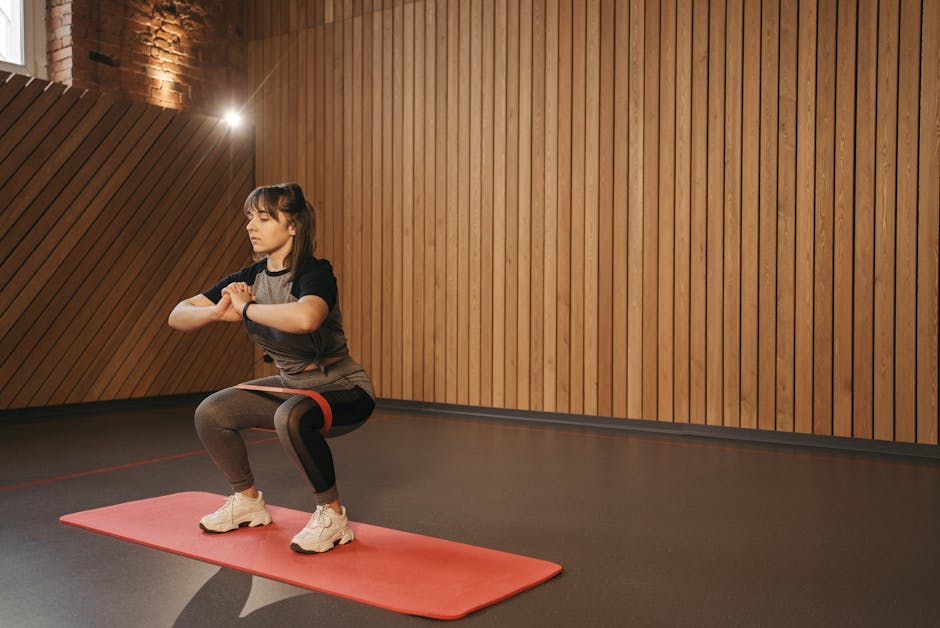
Bodyweight exercises are a powerful way to build strength, endurance, and flexibility without any equipment. These exercises utilize your body weight as resistance and can be performed anywhere. Here are some key bodyweight exercises to include in your routine:
- Push-Ups: Great for upper body strength, targeting the chest, shoulders, and triceps.
- Squats: Effective for lower body strength, engaging the quadriceps, hamstrings, and glutes.
- Lunges: Help develop balance and coordination while strengthening the legs.
- Planks: Excellent for core strength, stability, and endurance.
- Burpees: A full-body exercise that combines strength and cardio.
According to the *American College of Sports Medicine*, bodyweight exercises can improve muscular strength and endurance effectively (ACSM, 2018). They require no equipment and can be modified for different fitness levels, making them accessible for everyone.
Utilizing Outdoor Spaces
Nature provides an excellent setting for a comprehensive workout routine. Parks, trails, and open spaces offer numerous opportunities for exercise.
- Running or Jogging: A simple and effective cardiovascular workout that can be done anywhere.
- Cycling: An excellent way to build leg strength and improve cardiovascular health while enjoying the outdoors.
- Hiking: Engages multiple muscle groups and provides a great aerobic workout.
- Outdoor Fitness Classes: Many communities offer free or low-cost outdoor classes that can enhance your routine.
Research indicates that exercising outdoors can improve mood and mental well-being (Pretty, et al., 2005). The combination of physical activity and nature can lead to enhanced mental health outcomes.
Incorporating Flexibility and Balance Training
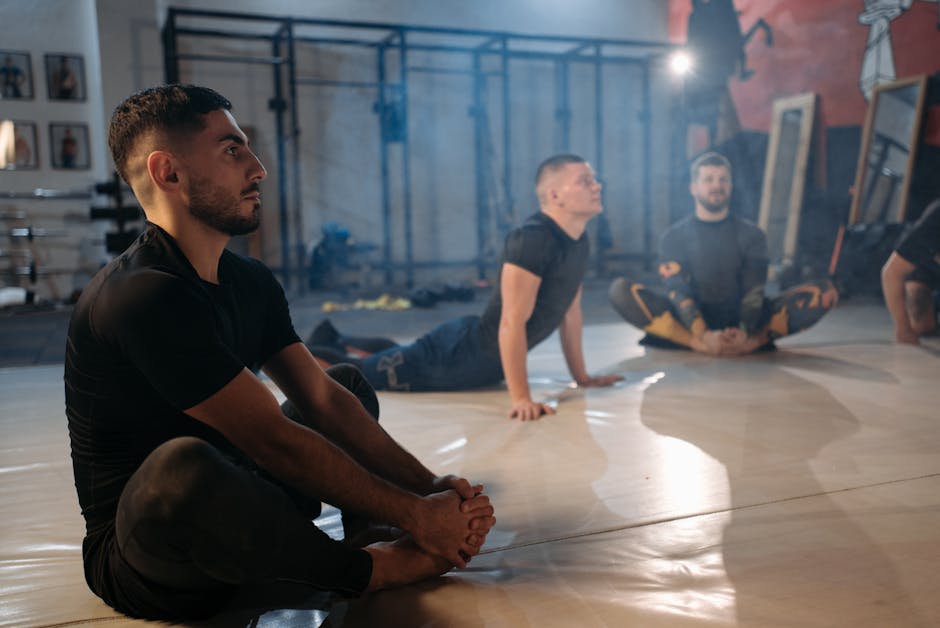
A well-rounded fitness routine should also include flexibility and balance training. This can be easily accomplished without a gym. Here are some effective methods:
- Yoga: Practicing yoga at home can improve flexibility, balance, and mental clarity.
- Pilates: Focuses on core strength and stability, which can be done on a mat with minimal equipment.
- Dynamic Stretching: Incorporating dynamic stretches into your warm-up can enhance flexibility and mobility.
A study published in the *Journal of Bodywork and Movement Therapies* highlights the benefits of flexibility training in reducing injury risk and improving overall physical performance (Hoffman, et al., 2014).
Cardiovascular Fitness Without Equipment
Cardiovascular fitness is crucial for overall health, and it can be achieved without any equipment. Here are some effective methods:
- High-Intensity Interval Training (HIIT): Short bursts of intense activity followed by rest can be done using bodyweight exercises, like jumping jacks or sprinting in place.
- Stair Climbing: Utilizing stairs in your home or local park can provide an excellent cardiovascular workout.
- Dancing: A fun way to get your heart rate up and improve coordination.
HIIT has been shown to be effective in improving cardiovascular fitness and can be performed in short durations, making it ideal for busy schedules (Gibala, et al., 2012).
Nutrition: A Crucial Component
While exercise is essential, nutrition plays a vital role in achieving fitness goals. A well-balanced diet can enhance performance and recovery. Here are some nutritional strategies to consider:
- Whole Foods: Focus on consuming whole, unprocessed foods rich in nutrients.
- Hydration: Staying hydrated is crucial for optimal performance and recovery.
- Meal Timing: Eating balanced meals around your workout can improve energy levels and recovery.
For more insights on nutrition, check out our [nutrition category](https://exercisedaily.com/category/nutrition/).
Sample Recipe: Energizing Smoothie
This energizing smoothie is perfect for pre- or post-workout nutrition:
Ingredients:
- 1 banana
- 1 cup spinach
- 1 tablespoon peanut butter
- 1 cup almond milk (or any milk of choice)
- 1 tablespoon chia seeds
Instructions: Blend all ingredients until smooth. Enjoy for a nutritious boost!
What Most People Get Wrong
Despite the wealth of information available, many individuals still cling to the belief that they need a gym for effective workouts. Here are some common misconceptions:
- Believing Only Machines Build Muscle: Many think machines are the only way to build strength. However, bodyweight and free-weight exercises can be equally effective.
- Neglecting Consistency: People often underestimate the importance of consistency and overestimate the need for fancy equipment.
- Using Cost as an Excuse: While gym memberships can be expensive, many effective exercises require no cost at all.
By understanding these misconceptions, you can better approach your fitness journey without the constraints of a gym membership.
Conclusion
A fitness routine without a gym membership is not only possible but can also be highly effective. By utilizing bodyweight exercises, outdoor spaces, and incorporating flexibility and nutrition into your routine, you can achieve your fitness goals without traditional gym equipment. It’s time to break free from the myths surrounding gym memberships and embrace the freedom of working out wherever you choose. Remember, fitness is not confined to the walls of a gym; it is a lifestyle that can be cultivated anywhere.
- Gordon, B. R., et al. (2011). “The Influence of Gym Environment on Exercise Behavior.” Journal of Physical Activity and Health. Link
- Owen, N., et al. (2010). “Physical Activity and Sedentary Behavior: A Population-Based Study.” American Journal of Preventive Medicine. Link
- Pretty, J., et al. (2005). “Green Exercise in the UK Countryside: Effects on Health and Well-Being.” *Biodiversity and Conservation*. Link
- Hoffman, M., et al. (2014). “The Effects of Flexibility Training on Injury Prevention.” Journal of Bodywork and Movement Therapies. Link
- Gibala, M. J., et al. (2012). “Physiological and Metabolic Adaptations to Short-Term High-Intensity Interval Training.” Journal of Physiology. Link
- American College of Sports Medicine (ACSM). (2018). “ACSM’s Guidelines for Exercise Testing and Prescription.” Link
These are for informational purposes only. Consult your doctor and do your own research before use.
Eat daily, sleep daily, exercise daily.