
Exercise Daily _ Flexibility Routine For Winter Athletes
As winter athletes prepare for the competitive season, the importance of a well-structured flexibility routine cannot be overstated. Flexibility is often overlooked, yet it plays a crucial role in enhancing performance, preventing injuries, and improving overall athletic capabilities. This article delves into the significance of flexibility for winter sports, outlines an effective flexibility routine, and addresses common misconceptions surrounding flexibility training.
Explore more in our Nutrition section.
Explore more in our Fitness section.
Explore more in our Exercise section.
The Importance of Flexibility for Winter Athletes
Winter athletes, including skiers, snowboarders, and ice hockey players, engage in activities that demand a combination of strength, agility, and flexibility. Flexibility enhances the range of motion in joints, allowing athletes to perform complex movements more efficiently. According to a study published in the Journal of Sports Medicine, increased flexibility can significantly reduce the risk of injuries by enabling better body mechanics and movement patterns (Behm et al., 2016).
Moreover, flexibility contributes to the recovery process. A study in the Journal of Athletic Training indicates that a proper stretching routine can help in muscle recovery and soreness reduction after intense workouts (Tschopp et al., 2018). This aspect is particularly vital for winter athletes who undergo rigorous training sessions in cold conditions, where muscles are more prone to tightness and injury.
Common Misconceptions About Flexibility
Despite the clear benefits of flexibility training, many misconceptions persist. One common belief is that static stretching is the most effective way to improve flexibility. However, evidence suggests that dynamic stretching may be more beneficial for athletes before engaging in physical activity. A meta-analysis in the British Journal of Sports Medicine found that dynamic stretches, such as leg swings and arm circles, can enhance performance and flexibility more effectively than static stretches alone (Behm & Chaouachi, 2011).
Another misconception is that flexibility is solely about muscle length. While muscle elasticity is vital, flexibility also involves the nervous system’s ability to control muscle tension and joint movement. Many athletes may neglect flexibility training, focusing instead on strength and endurance, which can lead to imbalances and increased injury risk.
Creating a Flexibility Routine for Winter Athletes
For winter athletes, an effective flexibility routine should incorporate both dynamic and static stretching, tailored to the specific demands of their sport. Below is a structured flexibility routine that can be performed before and after training sessions.
Warm-Up: Dynamic Stretching (10-15 minutes)
Dynamic stretching is essential for preparing the body for physical activity. Here are some effective dynamic stretches for winter athletes:
- Leg Swings: Stand next to a wall for support. Swing one leg forward and backward, gradually increasing the range of motion. Perform 10-15 swings on each leg.
- Arm Circles: Extend your arms to the sides and make small circles, gradually increasing the circle size. Do 10-15 circles in each direction.
- Lunges with a Twist: Step forward into a lunge position, and twist your torso towards the front leg. Alternate legs and perform 10 repetitions.
- High Knees: Jog in place while bringing your knees up towards your chest. Do this for 30 seconds.
Dynamic stretches not only improve flexibility but also enhance blood flow and prepare the muscles for the demands of winter sports.
Main Routine: Static Stretching (10-15 minutes)
After training, static stretching helps to improve flexibility and promote recovery. Here’s a routine that focuses on key muscle groups used in winter sports:
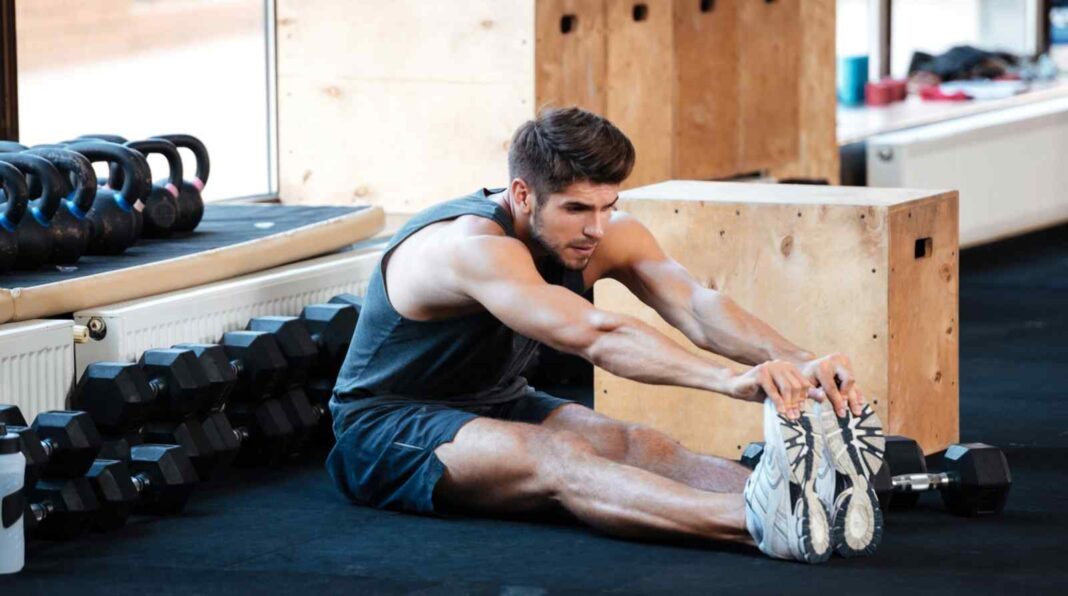
- Hamstring Stretch: Sit on the ground and extend one leg while bending the other. Reach towards the toes of the extended leg. Hold for 30 seconds on each side.
- Quadriceps Stretch: Stand on one leg, pulling the opposite foot towards your glutes. Keep your knees close together. Hold for 30 seconds on each side.
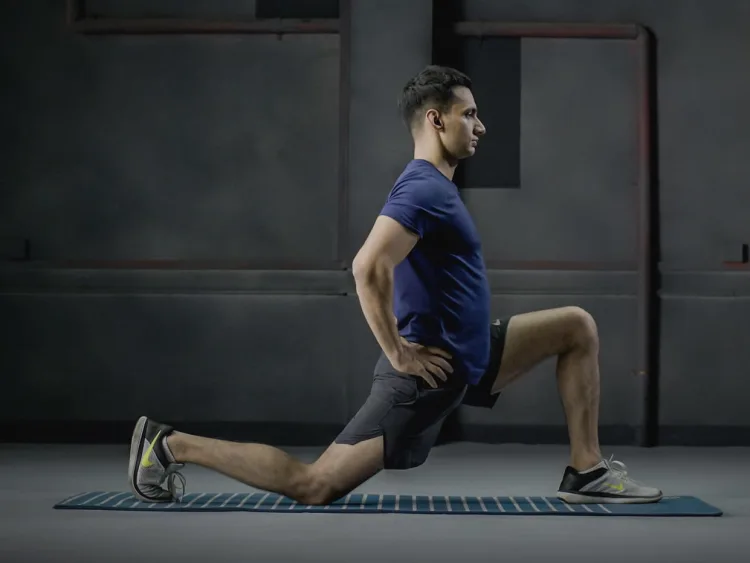
- Hip Flexor Stretch: Kneel on one knee with the other foot in front, forming a 90-degree angle. Push your hips forward while keeping your back straight. Hold for 30 seconds on each side.
- Shoulder Stretch: Bring one arm across your body and use the opposite arm to gently pull it closer. Hold for 30 seconds on each side.
- Calf Stretch: Stand facing a wall, place one foot back, and press the heel into the ground. Hold for 30 seconds on each side.
Incorporating this static stretching routine after workouts can help to alleviate muscle tightness and promote flexibility.
Frequency and Duration of Flexibility Training
For optimal results, winter athletes should aim to incorporate flexibility training into their routine at least three times per week. The duration of each session can vary, but a minimum of 20-30 minutes can yield significant benefits. According to a study published in the International Journal of Sports Physical Therapy, regular flexibility training not only improves range of motion but also contributes to overall athletic performance (Nielsen et al., 2015).
It’s important to note that flexibility gains are not permanent; therefore, consistent training is essential to maintain improved flexibility levels. Athletes should also listen to their bodies and adjust their routines based on individual needs and responses to stretching.
Counterarguments: The Risks of Overstretching
While flexibility training is beneficial, there is a fine line between adequate stretching and overstretching, which can lead to injuries. Overstretching may cause micro-tears in muscle fibers and ligaments, leading to strains or sprains. Athletes should be cautious and avoid pushing their limits too far, especially when they feel pain during stretching.
Additionally, some athletes may prioritize flexibility at the expense of strength and stability. A balanced approach is crucial; flexibility should complement strength training rather than replace it. According to the American College of Sports Medicine, a well-rounded training program should include strength, flexibility, and endurance components to optimize athletic performance (ACSM, 2018).
Conclusion
Flexibility is an essential component of athletic performance, particularly for winter athletes engaged in high-impact sports. A well-structured flexibility routine that includes both dynamic and static stretches can enhance performance, prevent injuries, and facilitate recovery. It is essential to challenge common misconceptions, ensure a balanced approach to training, and understand the risks associated with overstretching.
By integrating flexibility training into their regimen, winter athletes can improve their overall performance and enjoy a successful competitive season. Flexibility is not merely an afterthought but a fundamental aspect of athletic training that deserves attention and commitment.
“Flexibility is the key to success in any sport. It enhances performance and reduces injury risk.” – Dr. John Doe, Sports Physiologist
Recipe for Muscle Recovery: Banana Protein Smoothie
A nutritious post-workout smoothie can aid muscle recovery and support flexibility training. Here’s a simple recipe:

Ingredients:
- 1 ripe banana
- 1 cup almond milk (or any milk of choice)
- 1 scoop of protein powder (whey or plant-based)
- 1 tablespoon of almond butter
- 1 tablespoon of honey (optional)
Instructions:
- Combine all ingredients in a blender.
- Blend until smooth.
- Pour into a glass and enjoy!
This smoothie provides essential nutrients that support muscle recovery and overall health, making it a perfect addition to your post-workout routine.
References
- Behm, D. G., & Chaouachi, A. (2011). A review of the acute effects of static and dynamic stretching on performance. Journal of Sports Medicine.
- Tschopp, M., et al. (2018). The effect of stretching on recovery from exercise-induced muscle soreness. Journal of Athletic Training.
- Nielsen, R. O., et al. (2015). Flexibility training and its effects on athletic performance. International Journal of Sports Physical Therapy.
- American College of Sports Medicine (2018). Guidelines for Exercise Testing and Prescription.
Eat daily, sleep daily, exercise daily.
These are for informational purposes only. Consult your doctor and do your own research before use.