Exercise Daily _ Foods That Help Reduce Inflammation Daily
Chronic inflammation is increasingly recognized as a significant contributor to various health issues, including heart disease, diabetes, and autoimmune disorders. The foods you consume daily can have a profound impact on your body’s inflammatory processes. While many people believe that inflammation is solely a result of unhealthy diet choices, it is essential to understand the nuances of how certain foods can help reduce inflammation. In this article, we will explore the foods that can aid in reducing inflammation, the science behind them, and address some common misconceptions.
Understanding Inflammation
Inflammation is the body’s natural response to injury or infection. It plays a crucial role in healing and defense mechanisms. However, when inflammation becomes chronic, it can lead to various diseases. According to a study published in the Journal of Clinical Investigation, chronic inflammation is linked to conditions such as obesity, cardiovascular diseases, and even cancer.
Most people think of inflammation only in the context of acute responses, such as swelling or pain from an injury. However, chronic inflammation can occur without any noticeable symptoms, making it crucial to understand how dietary choices can influence this process.
Foods That Reduce Inflammation
Incorporating anti-inflammatory foods into your daily diet can help mitigate chronic inflammation. Below are some key food groups and specific items that have been shown to possess anti-inflammatory properties.
1. Fatty Fish
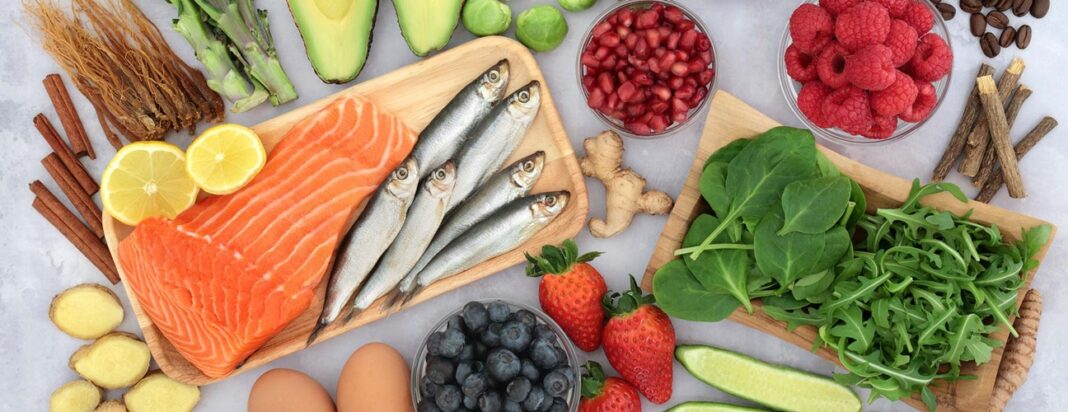
Fatty fish, such as salmon, mackerel, and sardines, are rich in omega-3 fatty acids. Omega-3s are known to reduce the production of inflammatory substances in the body. A study published in the American Journal of Clinical Nutrition found that individuals who consumed omega-3-rich fish had lower levels of inflammatory markers in their blood.

2. Leafy Greens
Leafy greens like spinach, kale, and Swiss chard are packed with antioxidants and vitamins that help combat inflammation. They are high in vitamin K, which has been shown to reduce inflammatory markers. According to research from the National Institutes of Health, increasing the intake of leafy greens can significantly lower levels of C-reactive protein, a marker of inflammation.
3. Berries
Berries, particularly blueberries, strawberries, and blackberries, contain high levels of antioxidants called flavonoids. These compounds have been linked to reduced inflammation and improved health outcomes. A study in the Journal of Nutritional Biochemistry found that the consumption of berries is associated with lower levels of inflammatory markers.
4. Nuts and Seeds
Nuts and seeds, such as walnuts, almonds, and flaxseeds, are rich in healthy fats, fiber, and protein. They contain omega-3 fatty acids and other nutrients that help reduce inflammation. Research in the American Journal of Clinical Nutrition suggests that regular nut consumption is linked to lower levels of inflammation.
5. Olive Oil
Extra virgin olive oil is another powerful anti-inflammatory food. It is rich in monounsaturated fats and antioxidants. A study published in the Journal of Nutritional Biochemistry found that the phenolic compounds in olive oil can significantly reduce inflammation and oxidative stress.
6. Spices and Herbs
Certain spices and herbs, including turmeric and ginger, are known for their anti-inflammatory properties. Curcumin, the active compound in turmeric, has been shown to inhibit inflammatory pathways. A systematic review in the Journal of Medicinal Food indicated that curcumin supplementation could reduce inflammatory biomarkers.
Ginger also possesses anti-inflammatory effects, as evidenced by a study in the Journal of Pain, which highlighted its effectiveness in reducing muscle pain and soreness following exercise.
7. Whole Grains
Whole grains, such as brown rice, quinoa, and oats, are excellent sources of fiber, which can help reduce inflammation. A study in the American Journal of Clinical Nutrition found that a high-fiber diet is associated with lower levels of inflammatory markers.
8. Legumes
Legumes, including beans and lentils, are high in fiber and protein, making them an ideal addition to an anti-inflammatory diet. They also contain phytonutrients that can help reduce inflammation. Research published in Nutrients indicates that regular consumption of legumes is linked to improved health outcomes and reduced inflammation.
Common Misconceptions About Anti-Inflammatory Foods
Despite the wealth of evidence supporting the benefits of anti-inflammatory foods, several misconceptions persist. Understanding these can help you make more informed dietary choices.
Myth 1: All Fats Are Bad
Many people believe that dietary fat leads to inflammation. However, this is a misconception. While trans fats and excessive saturated fats can contribute to inflammation, healthy fats, such as those found in fatty fish, nuts, and olive oil, can actually help reduce it. The key is to focus on the quality of fats rather than eliminating them entirely.
Myth 2: Carbohydrates Are Inflammatory
Another common belief is that all carbohydrates cause inflammation. This is not entirely accurate. Whole grains and legumes, which are rich in fiber, have been shown to reduce inflammation. It is refined carbohydrates and sugars that can exacerbate inflammatory responses, not carbohydrates as a whole.
Myth 3: You Can Out-Supplement a Bad Diet
Some individuals believe that taking supplements can replace the need for a healthy diet. While supplements can provide additional nutrients, they cannot replicate the complex interactions that occur when consuming whole foods. A balanced diet rich in anti-inflammatory foods is essential for long-term health.
Practical Tips for Incorporating Anti-Inflammatory Foods
Now that we understand the foods that help reduce inflammation, let’s explore some practical tips for incorporating them into your daily diet.
- Start Your Day Right: Begin your day with a bowl of oatmeal topped with berries and a sprinkle of nuts.
- Snack Smart: Choose nuts or fruit instead of processed snacks.
- Cook with Healthy Fats: Use extra virgin olive oil for cooking and salad dressings.
- Experiment with Spices: Add turmeric and ginger to your meals for an extra anti-inflammatory boost.
- Plan Your Meals: Incorporate a variety of anti-inflammatory foods into your weekly meal plan.
A Simple Anti-Inflammatory Recipe
Here’s a quick and easy recipe that incorporates several anti-inflammatory foods:
Anti-Inflammatory Quinoa Salad
Ingredients:
- 1 cup cooked quinoa
- 1/2 cup cherry tomatoes, halved
- 1/2 cucumber, diced
- 1/4 cup red onion, finely chopped
- 1/4 cup feta cheese (optional)
- 2 tablespoons extra virgin olive oil
- 1 tablespoon lemon juice
- Salt and pepper to taste
- Fresh parsley, chopped (for garnish)
Instructions:
- In a large bowl, combine the cooked quinoa, cherry tomatoes, cucumber, red onion, and feta cheese.
- In a small bowl, whisk together the olive oil, lemon juice, salt, and pepper.
- Pour the dressing over the salad and toss to combine.
- Garnish with fresh parsley before serving.
Conclusion
Incorporating anti-inflammatory foods into your daily diet is a powerful way to combat chronic inflammation and improve overall health. By focusing on foods rich in omega-3 fatty acids, antioxidants, and fiber, you can take significant steps towards reducing inflammation. Remember to challenge common misconceptions and prioritize whole foods over supplements for the best results.
While diet plays a crucial role, it should be part of a holistic approach that includes regular exercise, sufficient sleep, and stress management. By adopting these practices, you can foster a healthier lifestyle that supports your well-being.
These are for informational purposes only. Consult your doctor and do your own research before use.
References
- Journal of Clinical Investigation
- American Journal of Clinical Nutrition
- National Institutes of Health
- Journal of Nutritional Biochemistry
- American Journal of Clinical Nutrition
- Journal of Nutritional Biochemistry
- Journal of Medicinal Food
- Journal of Pain
- American Journal of Clinical Nutrition
- Nutrients
Eat daily, sleep daily, exercise daily.