
Exercise Daily _ Football Conditioning Workout At Home
Football conditioning workouts at home have gained popularity, particularly in recent years when access to gyms has been limited. However, many misconceptions surround these workouts, leading to ineffective training and potential injuries. This article aims to clarify the most effective methods for conditioning at home specifically for football, backed by scientific research and expert opinions.
Explore more in our Natural Remedies section.
Explore more in our Wellness section.
Explore more in our Nutrition section.
The Importance of Football Conditioning
Football is an explosive sport that requires a unique blend of strength, speed, agility, and endurance. Conditioning is critical for athletes to perform at their best, reduce injury risk, and enhance overall performance. According to a study published in the Journal of Sports Sciences, conditioning programs tailored for football can significantly improve players’ physical capabilities (Hoff et al., 2017).
Common Misconceptions
Despite the benefits, many athletes or aspiring football players misunderstand the concept of home conditioning. Here are some prevalent misconceptions:
- Misconception 1: You need expensive equipment.
- Misconception 2: Only running improves conditioning.
- Misconception 3: Home workouts cannot replicate gym training.
By addressing these misconceptions, we can create a more effective and realistic approach to football conditioning at home.
Key Components of Football Conditioning Workouts
Football conditioning encompasses various elements, including aerobic conditioning, anaerobic conditioning, strength training, and flexibility. A well-rounded program should integrate all these components.
Aerobic Conditioning
Aerobic conditioning is crucial for sustaining energy levels throughout a football match. It improves cardiovascular health and endurance. Activities like running, cycling, or skipping rope can be integrated into your home conditioning routine.
Anaerobic Conditioning
Anaerobic conditioning focuses on short bursts of high-intensity exercise followed by rest. This mimics the stop-and-go nature of football. High-Intensity Interval Training (HIIT) is an effective way to develop anaerobic fitness at home.
Strength Training
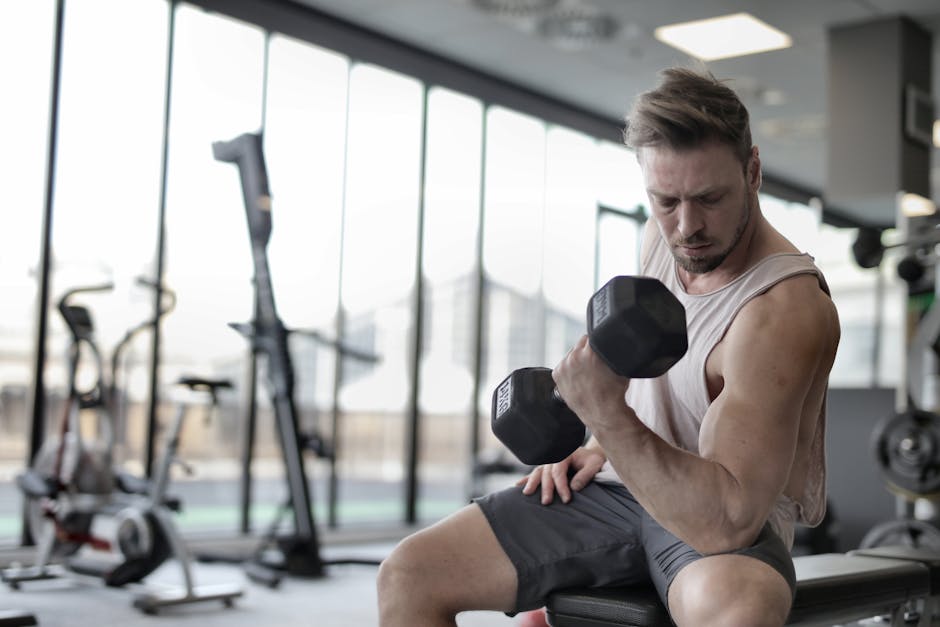
Strength is vital for tackling and maintaining balance during gameplay. Bodyweight exercises such as push-ups, squats, and lunges can enhance strength without the need for gym equipment. A study in the Journal of Strength and Conditioning Research highlights the effectiveness of bodyweight training for improving athletic performance (Schoenfeld, 2010).
Flexibility
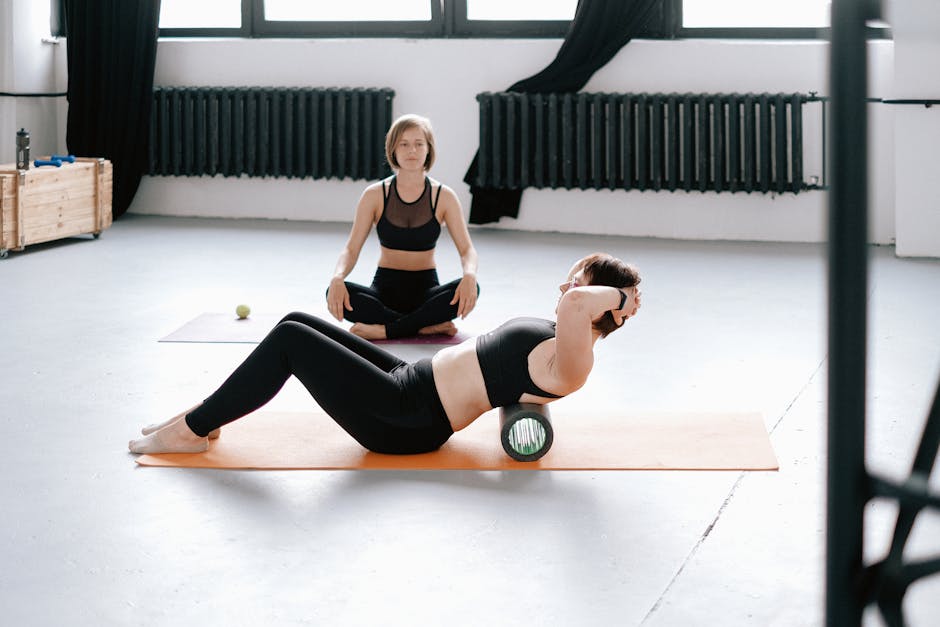
Flexibility is essential for injury prevention and overall performance. Incorporating stretching routines and mobility exercises can enhance flexibility. Yoga and dynamic stretching are excellent ways to improve flexibility at home.
Creating a Football Conditioning Workout Plan at Home
Now that we understand the key components, let’s create a structured workout plan that includes various exercises targeting these components. Here’s a sample weekly plan:
Weekly Workout Schedule
- Day 1: Aerobic Conditioning
- 30 minutes of steady-state running or cycling
- 5 minutes of dynamic stretching
- Day 2: Strength Training
- 3 sets of 10-15 push-ups
- 3 sets of 10-15 squats
- 3 sets of 10-15 lunges (each leg)
- Day 3: Anaerobic Conditioning
- 20 minutes of HIIT (30 seconds of sprinting followed by 30 seconds of walking)
- Day 4: Flexibility and Recovery
- 30 minutes of yoga or stretching
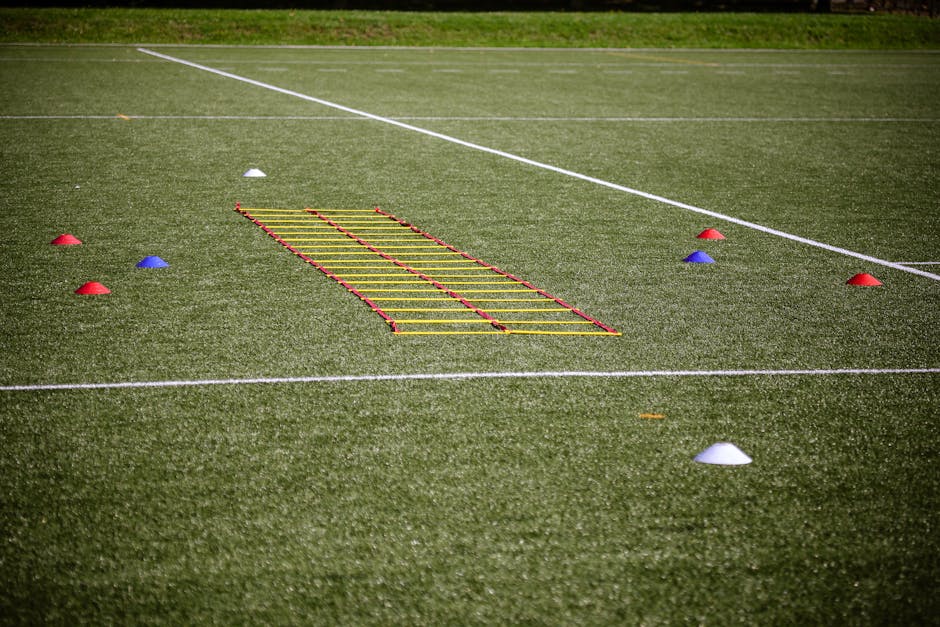
- Day 5: Agility Training
- Cone drills (set up cones and practice quick lateral movements)
- Jump rope for 10 minutes
- Day 6: Combination Day
- 20 minutes of aerobic conditioning
- 10 minutes of strength exercises
- Day 7: Rest
- Active recovery (light walking or stretching)
Counterarguments: The Limitations of Home Workouts
While home workouts are convenient, some argue that they cannot replicate the environment and equipment available in a gym. Critics often highlight the lack of specific football training tools such as resistance bands, weights, or other specialized equipment. However, this argument overlooks the fact that bodyweight exercises can effectively build strength and endurance.
Additionally, many professional athletes have successfully trained at home, especially during the pandemic, demonstrating that creativity in workout routines can yield impressive results. A study from the International Journal of Environmental Research and Public Health supports the idea that home-based training can be just as effective as gym training when performed correctly (Buchheit & Laursen, 2020).
Nutrition and Recovery: Key Components of Conditioning
Nutrition plays a pivotal role in conditioning. Proper fueling can enhance performance, while inadequate nutrition can lead to fatigue and decreased performance. Here are some nutrition tips for athletes:
- Hydration: Drink plenty of water before, during, and after workouts.
- Balanced Diet: Include carbohydrates, proteins, and healthy fats.
- Post-Workout Nutrition: Consume a protein-rich snack or meal within 30 minutes of finishing your workout.
Additionally, proper recovery is crucial for muscle repair and growth. This includes adequate sleep, hydration, and nutrition. A well-rounded approach to recovery can significantly enhance the effectiveness of your conditioning workouts.
Sample Recovery Recipe: Protein-Packed Smoothie
Here’s a simple recipe for a post-workout recovery smoothie that can aid in muscle recovery:
Ingredients:
- 1 banana
- 1 cup of spinach
- 1 scoop of protein powder
- 1 cup of almond milk
- 1 tablespoon of almond butter
Instructions: Blend all ingredients until smooth. Enjoy immediately after your workout for optimal recovery.
Conclusion: Making the Most of Football Conditioning Workouts at Home
Football conditioning workouts at home can be highly effective if approached with the right mindset and knowledge. By understanding the key components of conditioning, dispelling common misconceptions, and adhering to a structured workout plan, athletes can achieve impressive results without the need for expensive equipment or gym access. Remember that nutrition and recovery are equally important in maximizing performance. So, whether you are a seasoned player or just starting, don’t underestimate the power of home conditioning.
For more insights on exercise and fitness, check out our categories on exercise and fitness.
- Hoff, J., et al. (2017). Journal of Sports Sciences.
- Schoenfeld, B. (2010). Journal of Strength and Conditioning Research.
- Buchheit, M., & Laursen, P. (2020). International Journal of Environmental Research and Public Health.
These are for informational purposes only. Consult your doctor and do your own research before use.
Eat daily, sleep daily, exercise daily.