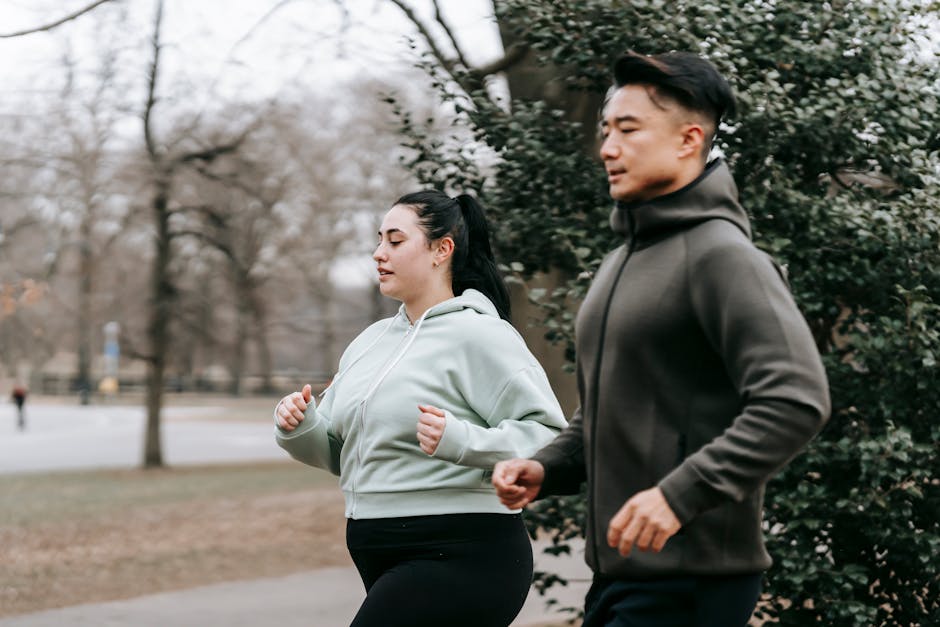


Exercise Daily _ Home Remedies For Sore Muscles
Sore muscles are a common complaint, especially among those who engage in physical activity, whether it’s a rigorous workout or a weekend hike. The discomfort can stem from various factors, including overexertion, improper form, or even just a new exercise routine. While many people reach for over-the-counter pain relievers or prescription medications, home remedies for sore muscles can provide effective relief without the potential side effects of pharmaceuticals. However, the efficacy of these remedies can vary, leading to a heated debate among fitness enthusiasts, healthcare professionals, and home remedy advocates.
Explore more in our Nutrition section.
Explore more in our Fitness section.
Explore more in our Exercise section.
The Science Behind Muscle Soreness
Muscle soreness, particularly delayed onset muscle soreness (DOMS), typically occurs after intense physical activity. It is characterized by stiffness, tenderness, and sometimes swelling in the affected muscles. The primary cause of DOMS is micro-tears in muscle fibers, which occur during strenuous exercise (Clark et al., 2014). While some argue that soreness is a sign of a good workout, others question whether it is truly necessary for muscle growth and strength gains.
Research suggests that muscle soreness does not correlate directly with muscle growth. A study published in the Journal of Strength and Conditioning Research indicated that while muscle soreness can be a byproduct of effective training, it is not a definitive indicator of muscle hypertrophy (Schoenfeld, 2016). This misconception leads many to seek remedies for soreness, often overlooking the importance of proper recovery practices such as hydration, nutrition, and rest.
Common Home Remedies for Sore Muscles
Numerous home remedies claim to alleviate sore muscles. Here, we will explore several popular options, their purported benefits, and the scientific evidence supporting or refuting their effectiveness.
1. Epsom Salt Baths
Epsom salt, or magnesium sulfate, is a popular remedy for sore muscles. Advocates claim that soaking in an Epsom salt bath helps reduce inflammation and relax muscles. However, the scientific evidence is mixed. While magnesium is essential for muscle function, studies have not conclusively proven that Epsom salt baths significantly enhance recovery (Wang et al., 2019).
Nonetheless, the warm water and buoyancy can provide temporary relief and relaxation. For those interested in trying this remedy, a common recipe is:
Epsom Salt Bath Recipe:
– 2 cups of Epsom salt
– Warm bath water
– Optional: a few drops of essential oils for added relaxation
Soak for 15-20 minutes.
2. Cold Compress
Applying a cold compress is a well-known method for reducing inflammation and numbing sharp pain. Cold therapy works by constricting blood vessels, which can help alleviate swelling and soreness. This method is particularly effective in the first 48 hours after a workout (Bleakley et al., 2012).
To use a cold compress, simply wrap ice in a towel or use a gel pack. Apply it to the sore area for 15-20 minutes, ensuring to take breaks to prevent frostbite.
3. Turmeric and Ginger
Turmeric and ginger are both praised for their anti-inflammatory properties. Turmeric contains curcumin, which has been shown to reduce muscle soreness and promote recovery (Zhang et al., 2018). Ginger, on the other hand, has been linked to reduced pain and improved muscle recovery in several studies (Black et al., 2010).
A popular way to incorporate these ingredients is through a soothing tea:
Turmeric Ginger Tea Recipe:
– 1 cup of water
– 1 tsp turmeric powder
– 1 tsp grated ginger
– Honey to taste (optional)
Boil water, add turmeric and ginger, simmer for 10 minutes, strain, and enjoy.
4. Massage
Massage therapy has gained popularity as a recovery technique for sore muscles. Studies indicate that massage can help reduce muscle soreness and improve recovery time (Weerapong et al., 2005). While professional massage can be expensive, self-massage techniques can be just as effective.
Using a foam roller or massage ball can help relieve tension in sore muscles. Focus on areas with tight knots and roll gently, allowing your body to relax and release tension.
What Most People Get Wrong About Home Remedies
Despite the popularity of home remedies for sore muscles, several misconceptions persist. One common error is the belief that these remedies can replace traditional recovery methods. While they can complement recovery, relying solely on home remedies may lead to inadequate healing.
- Misconception 1: All home remedies are equally effective.
- Misconception 2: More is better; excessive use of remedies can lead to complications.
- Misconception 3: Home remedies can substitute professional medical advice.
It’s crucial to remember that not all remedies work for everyone. Individual responses vary, and what alleviates soreness for one person may not work for another. Moreover, some remedies can interact negatively with underlying health conditions or medications.
Counterarguments: The Case for Conventional Treatments
While home remedies for sore muscles have their advocates, many healthcare professionals argue that conventional treatments are often more effective. Over-the-counter medications like ibuprofen or acetaminophen can provide quicker relief for acute pain. Additionally, physical therapy can address underlying issues contributing to muscle soreness.
Proponents of conventional treatments argue that while home remedies can offer temporary relief, they do not address the root cause of muscle soreness. For instance, if poor form during exercise leads to persistent soreness, relying solely on remedies without correcting the form may prolong discomfort.
Furthermore, the placebo effect can play a significant role in the perceived efficacy of home remedies. A study published in the Journal of Clinical Psychology indicates that belief in a treatment’s effectiveness can significantly influence outcomes (Stewart et al., 2013). This raises questions about the actual efficacy of some home remedies versus the psychological benefits of believing they work.
Conclusion
Home remedies for sore muscles can provide a range of benefits, from relaxation to temporary pain relief. However, they are not a panacea. Understanding the science behind muscle soreness and recognizing the limitations of home remedies is crucial for effective recovery. While remedies like Epsom salt baths, cold compresses, and anti-inflammatory foods can support muscle recovery, they should not replace proper rest, hydration, nutrition, and, when necessary, professional medical advice.
Ultimately, the best approach to managing sore muscles combines a variety of strategies, including both home remedies and conventional treatments. By staying informed and discerning about what works, you can enhance your recovery process and continue to enjoy an active lifestyle.
- Schoenfeld, B. (2016). The mechanisms of muscle hypertrophy and their application to resistance training.
- Wang, Y., et al. (2019). Epsom salt for muscle recovery: A systematic review.
- Bleakley, C. et al. (2012). The use of ice in the management of soft tissue injuries: a systematic review.
- Black, C. D. et al. (2010). Ginger (Zingiber officinale) reduces muscle pain caused by exercise-induced muscle damage.
- Zhang, Y. et al. (2018). The role of curcumin in the treatment of muscle soreness.
- Stewart, J. et al. (2013). The placebo effect: an overview.
These are for informational purposes only. Consult your doctor and do your own research before use.
Eat daily, sleep daily, exercise daily.