

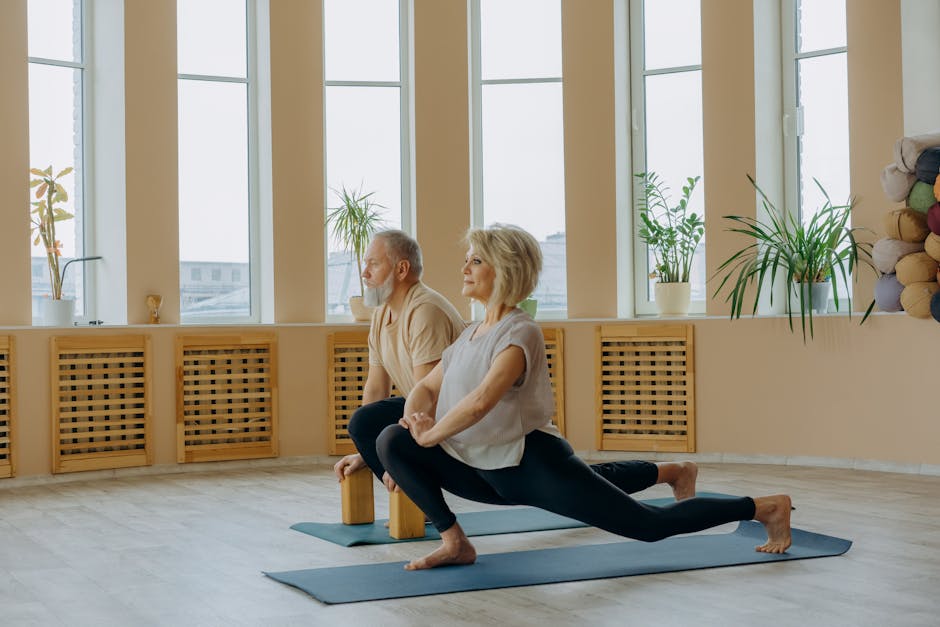
Exercise Daily _ How To Improve Balance For Seniors
As we age, maintaining balance becomes increasingly critical for seniors. Falls are a leading cause of injury among older adults, often resulting in significant health complications. According to the World Health Organization, falls account for 20-30% of injuries among older adults, making balance a crucial focus for health and fitness interventions. This article will explore effective strategies to improve balance for seniors, counter common misconceptions, and present evidence-based practices.
Explore more in our Top 20 Viral Products section.
Explore more in our Natural Remedies section.
Explore more in our Wellness section.
The Importance of Balance for Seniors
Balance is not merely a physical ability; it encompasses a complex interplay of strength, coordination, and sensory perception. For seniors, the decline in these abilities can lead to a higher risk of falls, which may result in fractures, head injuries, and a decreased quality of life. Thus, improving balance is essential for promoting independence and ensuring safety.
Understanding the Causes of Balance Issues
Several factors contribute to balance issues in seniors:
- Muscle Weakness: As individuals age, muscle mass and strength typically decline, affecting stability.
- Joint Problems: Arthritis and other joint conditions can limit mobility and affect balance.
- Vestibular Disorders: The vestibular system, responsible for balance, can deteriorate with age.
- Vision Impairments: Poor eyesight can hinder a senior’s ability to gauge their surroundings accurately.
- Medication Side Effects: Many medications can cause dizziness or drowsiness, impacting balance.
Understanding these factors can help tailor effective strategies for improving balance.
Common Misconceptions About Balance Training




Despite the importance of balance training, several misconceptions persist:
1. Balance Training is Only for Those Who Have Fallen
Many people believe that balance training is only necessary after experiencing a fall. However, proactive measures can significantly reduce the risk of falls. Research indicates that even those without a history of falls can benefit from balance exercises, enhancing overall stability and confidence (Sherrington et al., 2019).
2. Balance Training is Only Effective for Older Adults
While seniors certainly benefit from balance training, individuals of all ages can improve their balance. Young adults and athletes often overlook balance, yet it plays a crucial role in performance and injury prevention (Bressel et al., 2007). This notion should encourage seniors to engage in balance exercises without feeling isolated in their need for improvement.
3. Simple Exercises are Sufficient
Many believe that performing a few simple exercises will suffice for balance improvement. While foundational exercises are beneficial, a comprehensive approach that includes strength training, flexibility, and coordination is essential for optimal results. A meta-analysis revealed that multifaceted exercise programs yield the best outcomes in balance improvement for seniors (Cameron et al., 2018).
Effective Strategies to Improve Balance for Seniors
Improving balance requires a multifaceted approach that combines various exercise modalities. Below are some effective strategies supported by research:
1. Strength Training
Strength training is fundamental for improving balance. By enhancing muscle strength, seniors can better support their body weight and maintain stability. Exercises that target the lower body, such as squats, lunges, and leg lifts, are particularly beneficial.
Here is a simple strength exercise:
Chair Stand: Sit on a sturdy chair with your feet flat on the ground. Stand up without using your hands, then sit back down. Repeat 10 times. This exercise strengthens the legs and improves stability.
2. Balance Exercises
Direct balance training can significantly enhance stability. Some effective exercises include:
- Single-Leg Stands: Stand on one leg, holding onto a sturdy surface for support. Gradually try to let go for increased difficulty.
- Tai Chi: This ancient practice combines slow, deliberate movements with deep breathing and meditation, improving balance and coordination (Li et al., 2016).
- Heel-to-Toe Walk: Walk in a straight line, placing the heel of one foot directly in front of the toes of the other.
3. Flexibility and Stretching
Flexibility plays a crucial role in maintaining balance. Regular stretching can improve range of motion and reduce the risk of injury. Incorporate stretches for the hips, legs, and back into your routine to enhance flexibility.
4. Coordination Training
Coordination exercises, such as dancing or playing catch, can improve the brain’s ability to communicate with the body. Activities that require hand-eye coordination can also enhance overall balance.
5. Sensory Training
Engaging the senses can bolster balance. For instance, performing exercises with eyes closed or on unstable surfaces (like a balance board) can sharpen sensory awareness and improve stability.
Integrating Balance Training into Daily Life
Incorporating balance exercises into daily routines can yield significant benefits. Here are some practical tips:
- Set a Schedule: Dedicate specific times each week for balance training. Consistency is key to improvement.
- Utilize Everyday Activities: Engage in activities that challenge balance, such as gardening, walking on uneven surfaces, or climbing stairs.
- Incorporate Technology: Consider using balance training apps or devices that provide feedback and guidance.
The Role of Nutrition in Balance
While exercise is crucial for improving balance, nutrition also plays a significant role in overall health and stability. A well-balanced diet supports muscle strength, bone health, and cognitive function. Here are some key nutritional considerations:
- Calcium and Vitamin D: Essential for bone health, these nutrients help prevent falls due to fractures.
- Protein: Adequate protein intake supports muscle repair and growth, enhancing strength for better balance.
- Hydration: Staying well-hydrated can prevent dizziness, a common issue that affects balance.
Counterarguments and Considerations
While the benefits of balance training are clear, some may argue that the risk of injury during these exercises may outweigh the benefits. However, studies indicate that when performed correctly, the risk of injury is minimal compared to the potential for improving balance and reducing fall risk (Gillespie et al., 2012). It is essential to start slowly and consult with healthcare providers or fitness professionals to create a safe exercise plan.
Conclusion
Improving balance for seniors is vital for maintaining independence and preventing falls. By incorporating strength training, balance exercises, flexibility work, and proper nutrition, seniors can significantly enhance their stability. Dispelling misconceptions about balance training is crucial, as proactive measures can lead to better outcomes. Remember, balance is not just for those who have fallen; it is a critical aspect of healthy aging. For more information on exercise and wellness, explore our categories on exercise, fitness, and nutrition.
- Sherrington, C., et al. (2019). Effective exercise for the prevention of falls: a systematic review and meta-analysis.
- Bressel, E., et al. (2007). Balance training: A review of the evidence.
- Cameron, I.D., et al. (2018). A meta-analysis of the effects of exercise on balance in older adults.
- Li, F., et al. (2016). Tai Chi and fall reductions in older adults: a randomized controlled trial.
- Gillespie, L.D., et al. (2012). Interventions for preventing falls in older people living in the community.
These are for informational purposes only. Consult your doctor and do your own research before use.
Eat daily, sleep daily, exercise daily.