
Exercise Daily _ Martial Arts Flexibility Exercises
Flexibility is a cornerstone of martial arts training, often regarded as essential for optimal performance. Yet, the debate surrounding the most effective flexibility exercises continues to spark controversy among practitioners and coaches. This article delves into martial arts flexibility exercises, examining their benefits, common misconceptions, and the science behind effective stretching methods.
Explore more in our Natural Remedies section.
Explore more in our Wellness section.
Explore more in our Nutrition section.
The Importance of Flexibility in Martial Arts
Flexibility allows martial artists to execute techniques with greater efficiency and a reduced risk of injury. Improved flexibility enhances a practitioner’s range of motion, which is critical for high kicks, dynamic movements, and evasive maneuvers. Research indicates that flexibility training can lead to better overall performance in martial arts (Behm & Chaouachi, 2011). However, many athletes overlook flexibility, focusing instead on strength and endurance. This oversight can limit their potential in the ring or dojo.
Common Myths About Flexibility Training
Despite its importance, numerous misconceptions about flexibility training persist. Below are some prevalent myths that can mislead martial artists:
- Myth 1: Stretching Before a Workout is Always Beneficial – While dynamic stretching can enhance performance, static stretching before training may decrease strength and power output (Simic et al., 2013).
- Myth 2: Flexibility is Solely Genetic – While genetics play a role, consistent training can significantly enhance flexibility. Many martial artists find they can improve their flexibility through dedicated practice.
- Myth 3: All Stretching is Equal – Not all stretching methods yield the same results. Static, dynamic, and proprioceptive neuromuscular facilitation (PNF) stretching all have unique benefits and applications in martial arts training.
Types of Flexibility Exercises for Martial Artists



As an Amazon Associate, Exercise Daily earns from qualifying purchases. This post may contain affiliate links. Last updated: April 7, 2026
Understanding the various types of flexibility exercises can help martial artists choose the right regimen for their training. The three primary categories include:
1. Static Stretching
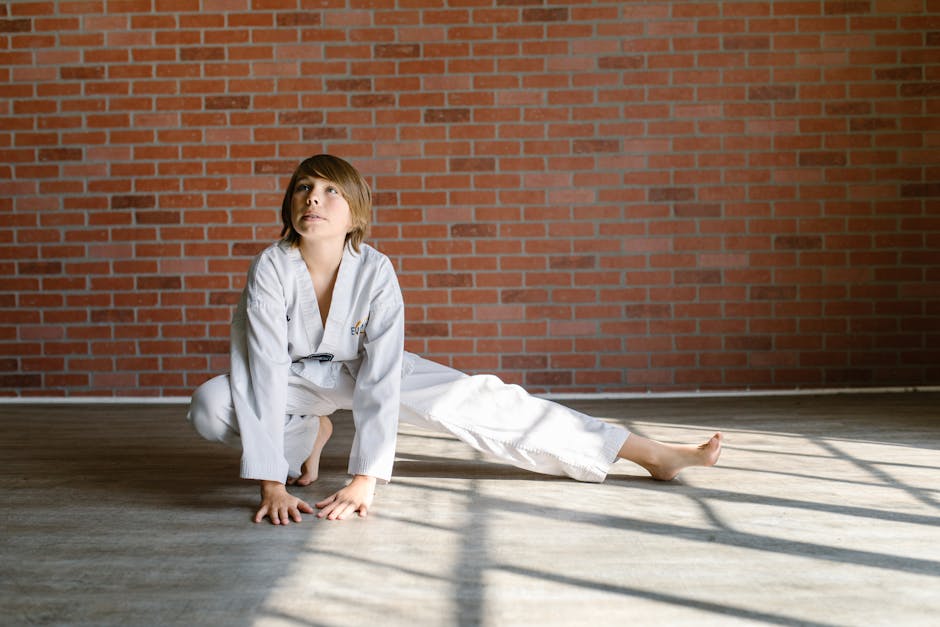
Static stretching involves holding a stretch for an extended period, typically between 15 to 60 seconds. This method is beneficial for improving overall flexibility and is often used post-workout to aid recovery. However, it should be approached with caution before intense training sessions.
2. Dynamic Stretching
Dynamic stretching incorporates movement into the stretching process. It prepares the muscles for activity and is ideal for warming up prior to martial arts training. Movements such as leg swings, arm circles, and torso twists can enhance blood flow and flexibility without compromising strength (Fletcher & Jones, 2004).
3. PNF Stretching
Proprioceptive Neuromuscular Facilitation (PNF) involves a combination of stretching and contracting the targeted muscle group. This method has been shown to produce greater flexibility gains than static stretching alone (Hassan et al., 2015). PNF is often performed with a partner and requires proper technique to be effective.
Effective Flexibility Exercises for Martial Artists
Here are some essential flexibility exercises tailored for martial artists, categorized by type:
Static Flexibility Exercises
- Seated Forward Bend: Sit with legs extended and reach toward your toes. Hold for 30 seconds.
- Butterfly Stretch: Sit with the soles of your feet together and gently press your knees toward the ground. Hold for 30 seconds.
- Quadriceps Stretch: Stand on one foot, pulling the opposite heel towards your glutes. Hold for 30 seconds.
Dynamic Flexibility Exercises
- Leg Swings: Stand on one leg and swing the other leg forward and backward. Perform 10 swings on each leg.
- Arm Circles: Extend your arms to the side and make small circles, gradually increasing the size. Do this for 30 seconds.
- Hip Circles: Stand with feet shoulder-width apart and rotate your hips in a circular motion. Perform 10 circles in each direction.
PNF Flexibility Exercises
- Hamstring Stretch with PNF: Lie on your back and raise one leg while a partner pushes it toward you. Contract the hamstring for 5 seconds, then relax and stretch further. Repeat 3 times.
- Shoulder Stretch with PNF: Extend one arm across your body while a partner applies gentle pressure. Contract for 5 seconds, then relax and stretch further. Repeat 3 times.
Common Mistakes in Flexibility Training
Even seasoned martial artists can fall prey to mistakes that hinder their flexibility training. Here are some common pitfalls:
- Neglecting Warm-Up: Jumping straight into static stretches without warming up can lead to injuries. Always include a dynamic warm-up first.
- Overstretching: Pushing too hard can cause muscle strains. Listen to your body and avoid forcing a stretch beyond your limits.
- Inconsistent Practice: Flexibility improves with regular practice. Inconsistency can lead to stagnation in progress.
The Role of Nutrition in Flexibility
Many martial artists overlook the role nutrition plays in flexibility and overall performance. Proper hydration and a balanced diet rich in nutrients support muscle recovery and flexibility. Foods high in antioxidants, such as berries, and those containing omega-3 fatty acids, like salmon, can reduce inflammation and enhance muscle function (Bikle et al., 2012).
Sample Recipe: Anti-Inflammatory Smoothie
This smoothie is packed with nutrients that support muscle recovery and flexibility:
- 1 cup spinach
- 1 banana
- 1/2 cup frozen berries
- 1 tablespoon chia seeds
- 1 cup almond milk
Blend all ingredients until smooth. This delicious drink is not only nutritious but also aids in reducing inflammation, which can enhance flexibility over time.
Conclusion
Flexibility is a vital component of martial arts training, yet it is often misunderstood and undervalued. By debunking myths and emphasizing the importance of various flexibility exercises, martial artists can improve their performance and reduce injury risk. Incorporating static, dynamic, and PNF stretching into a regular training routine, alongside proper nutrition, sets the foundation for success in martial arts. Remember, flexibility is not solely a genetic trait; with consistent effort and the right techniques, anyone can enhance their flexibility.
For further insights on exercise, fitness, and nutrition, check out our exercise and fitness categories.
“Flexibility is the key to success in martial arts. Train wisely, train consistently, and results will follow.” – Anonymous
- Behm, D. G., & Chaouachi, A. (2011). A review of the acute effects of static and dynamic stretching on performance. PubMed.
- Fletcher, I., & Jones, B. (2004). The effect of different warm-up stretch protocols on 20 meter sprint performance in trained rugby players. NIH.
- Simic, L., et al. (2013). Does pre-exercise static stretching inhibit maximal strength and power performance? A meta-analytical review. NIH.
- Hassan, M. M., et al. (2015). The effect of PNF stretching on flexibility and strength: A systematic review. PubMed.
- Bikle, D. D., et al. (2012). Vitamin D and the immune system. NIH.
These are for informational purposes only. Consult your doctor and do your own research before use.
Eat daily, sleep daily, exercise daily.