


Exercise Daily _ Natural Remedies For Joint Stiffness
Joint stiffness is a common issue that affects people of all ages, often resulting from conditions like arthritis, overuse, or even lifestyle choices. While conventional medicine offers various treatments, many individuals are turning to natural remedies for relief. In this article, we will explore the effectiveness of these remedies, examine scientific evidence, and discuss the common misconceptions surrounding them.
Explore more in our Top 20 Viral Products section.
Explore more in our Natural Remedies section.
Explore more in our Fitness section.
Understanding Joint Stiffness
Joint stiffness can manifest as a sensation of tightness or discomfort in the joints, making movement challenging. It can be temporary, often associated with physical activity, or chronic, linked to underlying health conditions. Factors contributing to joint stiffness include:
- Inflammation
- Age-related wear and tear
- Injury
- Autoimmune diseases
- Overuse or repetitive strain
Addressing joint stiffness often requires a multifaceted approach, combining lifestyle changes, physical activity, and, in some cases, natural remedies. However, it is crucial to understand that not all natural remedies are created equal, nor are they universally effective.
Popular Natural Remedies for Joint Stiffness


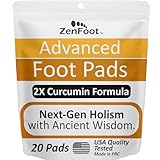


As an Amazon Associate, Exercise Daily earns from qualifying purchases. This post may contain affiliate links. Last updated: March 30, 2026
Many natural remedies claim to alleviate joint stiffness. Below are some of the most commonly discussed options, along with an evaluation of their efficacy based on scientific evidence.
1. Turmeric
Turmeric contains curcumin, a compound known for its anti-inflammatory properties. Several studies suggest that curcumin may help reduce joint pain and stiffness associated with arthritis. A systematic review published in the Journal of Medicinal Food highlighted its potential benefits, particularly in reducing symptoms of osteoarthritis.
2. Ginger
Ginger is another natural anti-inflammatory agent. Research published in Arthritis & Rheumatism indicates that ginger extract may help reduce pain and improve joint function. However, most studies focus on concentrated extracts rather than culinary uses, leading to debates on the effectiveness of ginger in everyday diets.
3. Omega-3 Fatty Acids
Omega-3 fatty acids, found in fish oil and certain plant sources, have been shown to have anti-inflammatory properties. A study in the American Journal of Clinical Nutrition found that omega-3 supplementation can reduce stiffness and improve joint function in individuals with rheumatoid arthritis. However, the debate continues regarding the optimal dosage and source, whether from fish or plant-based supplements.
4. Epsom Salt Baths
Epsom salt contains magnesium sulfate, which some believe can help relax muscles and reduce inflammation. While many people swear by Epsom salt baths for relieving joint stiffness, scientific evidence supporting this claim is limited. A study in the Journal of Clinical Medicine did not find significant benefits from Epsom salt soaks, leading to skepticism in the medical community.
5. Capsaicin
Capsaicin, the active component in chili peppers, is often used in topical creams for pain relief. Research published in Clinical Journal of Pain indicates that capsaicin can help reduce pain and stiffness in osteoarthritis patients. However, the effectiveness may vary significantly among individuals.
What Most People Get Wrong About Natural Remedies
Despite the popularity of natural remedies, misconceptions abound, leading to ineffective treatments and unmet expectations. Here are some common errors:
- Assuming Natural Means Safe: Many people believe that because a remedy is “natural,” it is inherently safe. This is not always the case. For example, excessive turmeric can cause gastrointestinal issues, and high doses of omega-3 can lead to blood thinning.
- Neglecting Professional Advice: Some individuals rely solely on natural remedies without consulting healthcare professionals. This can lead to untreated underlying conditions that require medical interventions.
- Expecting Immediate Results: Many natural remedies require time to exhibit effects. Individuals might abandon a remedy too soon, leading to the belief that it is ineffective.
- Overlooking Lifestyle Factors: Natural remedies work best when combined with other lifestyle changes, such as diet and exercise. Failing to address these areas can diminish the effectiveness of any remedy.
Integrating Natural Remedies into a Holistic Approach
To effectively manage joint stiffness, integrating natural remedies with other lifestyle changes is essential. Regular physical activity, a balanced diet, and mindfulness practices can enhance the benefits of natural treatments. Consider these strategies:
Exercise
Regular exercise can improve joint flexibility, strengthen surrounding muscles, and reduce stiffness. Low-impact activities such as swimming, cycling, and yoga are particularly beneficial. For more on exercise routines, check out our exercise category.
Nutrition
A diet rich in anti-inflammatory foods, such as fruits, vegetables, whole grains, and healthy fats, can support joint health. Omega-3 sources like fatty fish and walnuts can be particularly beneficial. For more nutritional insights, explore our nutrition section.
Mindfulness and Stress Reduction
Stress can exacerbate joint pain and stiffness. Mindfulness practices such as meditation, deep breathing, and yoga can help manage stress levels, potentially improving joint health. For more on wellness practices, visit our wellness category.
A Simple Natural Remedy Recipe: Turmeric Golden Milk
This soothing drink combines the anti-inflammatory benefits of turmeric with the richness of coconut milk. Enjoy it as a warm beverage to potentially alleviate joint stiffness.
Ingredients:
- 1 cup coconut milk (or any milk of choice)
- 1 teaspoon turmeric powder
- 1/2 teaspoon ginger powder
- 1/2 teaspoon cinnamon
- 1 tablespoon honey (optional)
- A pinch of black pepper (to enhance curcumin absorption)
Instructions:
- In a small pot, whisk together the coconut milk, turmeric, ginger, and cinnamon over medium heat.
- Once heated, remove from the stove and stir in honey and black pepper.
- Pour into a mug and enjoy warm.
Conclusion
Natural remedies for joint stiffness can offer relief, but they should not be seen as standalone solutions. Understanding the science behind these remedies is crucial for making informed decisions. By integrating natural remedies with lifestyle changes, individuals may find a more effective approach to managing joint stiffness. Always consult with healthcare professionals before starting any new treatment regimen.
In summary, while natural remedies can play a role in alleviating joint stiffness, misconceptions and unrealistic expectations can hinder their effectiveness. It is essential to adopt a holistic approach, balancing natural remedies with exercise, proper nutrition, and stress management for optimal results.
- Journal of Medicinal Food
- Arthritis & Rheumatism
- American Journal of Clinical Nutrition
- Journal of Clinical Medicine
- Clinical Journal of Pain
These are for informational purposes only. Consult your doctor and do your own research before use.
Eat daily, sleep daily, exercise daily.