

Exercise Daily _ Natural Sleep Aids That Actually Work
In a world where sleep disorders are increasingly common, many individuals turn to natural sleep aids in hopes of achieving a more restful night. However, the efficacy of these remedies often sparks debate. This article aims to explore various natural sleep aids that have shown promise in scientific studies, while also addressing common misconceptions and counterarguments surrounding their use. From melatonin to herbal teas, we will delve into what works, what doesn’t, and why.
The Science of Sleep: Why We Need It
Sleep is a fundamental biological process essential for physical and mental health. According to the National Institutes of Health (NIH), adults should aim for 7 to 9 hours of sleep per night. Insufficient sleep can lead to a range of health issues, including obesity, diabetes, cardiovascular diseases, and mental health disorders (Hirshkowitz et al., 2015).
Understanding the science of sleep helps us appreciate why many seek natural aids. However, not all sleep aids are created equal. Let’s explore some of the most popular natural options and their scientific backing.
Melatonin: The Hormone of Sleep
Melatonin is perhaps the most well-known natural sleep aid. This hormone, produced by the pineal gland, helps regulate the sleep-wake cycle. Research has shown that melatonin supplements can be effective in treating insomnia and improving sleep quality, particularly in individuals with disrupted circadian rhythms (Brzezinski et al., 2005).
- Pros: Melatonin is generally safe for short-term use and is effective for sleep issues related to shift work or jet lag.
- Cons: Some studies suggest that long-term use may disrupt the body’s natural production of melatonin.
Despite its benefits, many people misuse melatonin, taking it at the wrong time or in excessive doses. The optimal dose is generally between 0.5 to 5 mg, taken 30 minutes before bedtime. Understanding how to use melatonin effectively is crucial for maximizing its benefits.
Herbal Remedies: Nature’s Pharmacy
Herbal remedies have been used for centuries to promote sleep. Here are a few that have garnered attention in recent research:
Valerian Root
Valerian root is a popular herbal remedy known for its sedative properties. A meta-analysis found that valerian may reduce the time it takes to fall asleep and improve sleep quality (Bent et al., 2006).
- Pros: Valerian is generally well-tolerated and has a long history of safe use.
- Cons: Some people may experience side effects such as headaches or gastrointestinal issues.
Chamomile
Another well-known sleep aid is chamomile, often consumed as a tea. A study published in the Journal of Advanced Nursing found that chamomile tea significantly improved sleep quality in postpartum women (Field et al., 2015).
“Chamomile may have mild sedative effects, making it a popular choice for those seeking a gentle sleep aid.” – American Journal of Clinical Nutrition
Lavender
Lavender is frequently used in aromatherapy to promote relaxation. Research indicates that lavender essential oil can improve sleep quality and duration (Hussain et al., 2016).
To incorporate lavender into your routine, consider using lavender oil in a diffuser or adding a few drops to your pillow before bed. However, individuals with allergies should exercise caution.
Dietary Considerations: Food for Sleep
Your diet plays a crucial role in sleep quality. Consuming the right nutrients can enhance your sleep experience. Certain foods are known to be natural sleep aids:
- Almonds: Rich in magnesium, which may improve sleep quality.
- Kiwi: Studies show that eating kiwi can enhance sleep onset, duration, and efficiency (Zhang et al., 2011).
- Turkey: Contains tryptophan, an amino acid that promotes sleepiness.
Incorporating these foods into your evening routine can serve as a natural remedy for sleep issues. For instance, a small bowl of almonds or a kiwi before bed can be both nutritious and helpful for sleep.
| Photo | Title | Price | Buy |
|---|---|---|---|

|
Plant People WonderSleep Mushroom Gummies Supplement for Sleep, No Melatonin with Reishi Super Mushrooms, Wild Elderberry Flavor, Sugar-Free (60 Count) | $34.99 |

|
|
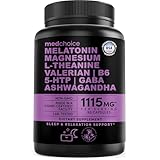
12-in-1 Melatonin Sleep Capsules - Natural Sleep Aids for Adults with Melatonin 5mg and Magnesium Glycinate 500mg, Sleep Aid with Ashwagandha, L Theanine, Valerian Root, GABA, 5-HTP (90ct, Pack of 1) | $22.95 |
|
|
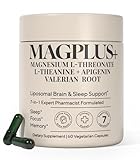
Magnesium L-Threonate with Apigenin, Valerian Root & L-Theanine – No Melatonin Restful Sleep & Brain Supplement – Clinically Studied 7-Ingredient Formula – Memory & Focus – 60 Capsules | $25.99 |
|
|
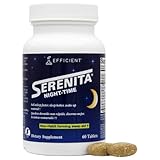
Serenita Night-Time Sleep Aid, Non-Habit Forming Herbal & Melatonin Blend for Restful Sleep, Relaxation & Morning Refresh, 60 Tablets | $10.99 |
|
|
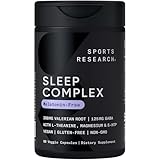
Sports Research® Sleep Complex- Melatonin-Free Vegan Capsules - with Valerian Root, GABA, L-Theanine, Magnesium & 5-HTP - 30 Servings | $26.95 |
|

|
BIOptimizers Magnesium Breakthrough Supplement with 500mg - 7 Forms of Magnesium: Glycinate, Malate, Citrate, and More - Natural Support for Sleep and Cognitive Function -90 Capsules- Calming Vitamins | $55.00 |
|
As an Amazon Associate, Exercise Daily earns from qualifying purchases. This post may contain affiliate links. Last updated: April 2, 2026
Common Misconceptions About Natural Sleep Aids
Despite the growing interest in natural sleep aids, several misconceptions persist. One common misunderstanding is that all natural remedies are completely safe. While many natural aids are effective, they can still have side effects or interact with medications. It’s essential to approach these aids with caution.
Another misconception is that natural sleep aids work instantly. Many people expect immediate results, but natural remedies often require consistent use over time. Patience is key when trying to find what works best for you.
Counterarguments: Are Natural Sleep Aids Overrated?
While many swear by natural sleep aids, some experts argue that their benefits are overstated. Critics suggest that the placebo effect may play a significant role in the perceived effectiveness of these remedies. A study published in the Journal of Clinical Sleep Medicine found that many people who believe in the effectiveness of natural aids report improved sleep, regardless of the actual efficacy (Hirshkowitz et al., 2015).
This raises a critical question: Are we relying too heavily on natural remedies at the expense of addressing underlying sleep disorders? Cognitive Behavioral Therapy for Insomnia (CBT-I) is a scientifically supported method that targets the root causes of insomnia and may be more effective than natural sleep aids for some individuals.
Integrating Natural Sleep Aids into a Holistic Approach
To truly benefit from natural sleep aids, it’s vital to integrate them into a holistic approach to sleep health. This includes maintaining a regular sleep schedule, creating a restful sleep environment, and adopting healthy lifestyle habits. Regular exercise can significantly improve sleep quality, making it an essential component of any sleep strategy (https://exercisedaily.com/exercise/).
Additionally, focusing on nutrition can also play a pivotal role in improving sleep. A balanced diet rich in sleep-promoting foods can complement the use of natural sleep aids (https://exercisedaily.com/nutrition/).
A Simple Sleep-Enhancing Recipe
Try this soothing chamomile and almond milk drink before bed:
- 1 cup almond milk
- 1 chamomile tea bag
- 1 teaspoon honey (optional)
Heat the almond milk until warm, steep the chamomile tea bag for 5-7 minutes, and add honey if desired. Sip slowly before bedtime for a calming effect.
Conclusion: Natural Sleep Aids That Actually Work
Natural sleep aids can be effective tools in the quest for better sleep. Melatonin, valerian root, chamomile, and dietary choices all present viable options for those struggling with sleep issues. However, it is essential to approach these remedies with realistic expectations and to consider a holistic approach that incorporates lifestyle changes, such as regular exercise and proper nutrition (https://exercisedaily.com/fitness/).
Ultimately, while natural sleep aids can help, they are not a panacea. Addressing sleep hygiene and underlying issues is crucial for achieving lasting improvements in sleep quality. As always, consult with a healthcare provider to determine the best approach for your individual needs.
- Brzezinski, A., et al. (2005). Melatonin in humans. PubMed.
- Bent, S., et al. (2006). Valerian for sleep: a systematic review and meta-analysis. PubMed.
- Field, T., et al. (2015). Sleep quality in postpartum women: a randomized controlled trial of chamomile tea. PubMed.
- Hussain, A. et al. (2016). The effect of lavender oil on sleep quality: a systematic review. PubMed.
- Zhang, L., et al. (2011). Kiwifruit and sleep quality: a randomized controlled trial. PubMed.
- Hirshkowitz, M., et al. (2015). National Sleep Foundation’s sleep time duration recommendations: methodology and results summary. PubMed.
These are for informational purposes only. Consult your doctor and do your own research before use.
Eat daily, sleep daily, exercise daily.