
Exercise Daily _ Recovery Routine After Cold Weather Workouts
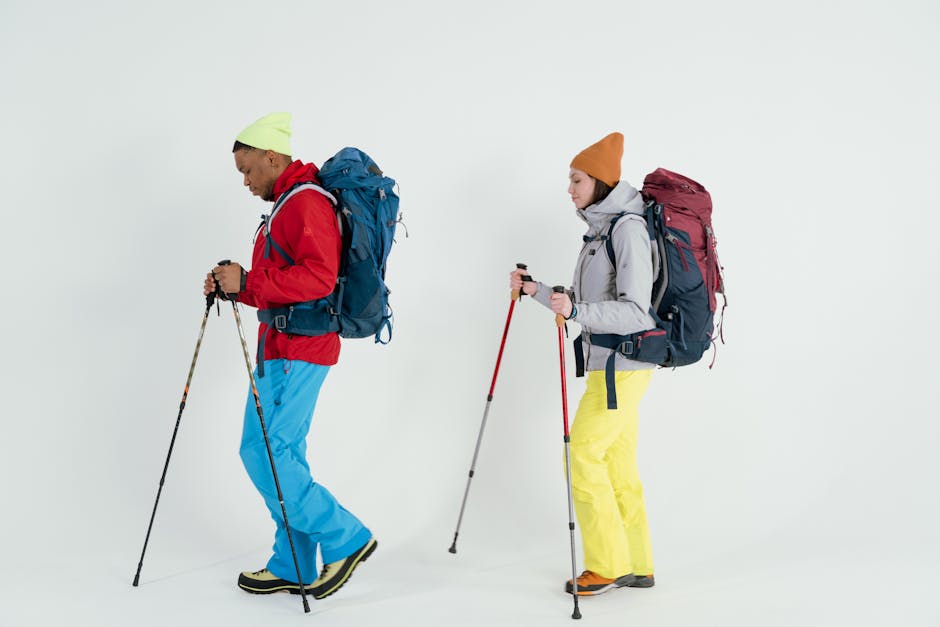
As the temperature drops, many fitness enthusiasts embrace the invigorating challenge of cold weather workouts. However, the aftermath of exercising in low temperatures necessitates a meticulous recovery routine. This article delves into the essential components of recovery after cold weather workouts, addressing common misconceptions, and highlighting evidence-based strategies for optimal recovery.
Explore more in our Natural Remedies section.
Explore more in our Wellness section.
Explore more in our Nutrition section.
The Importance of Recovery in Cold Weather
Recovery is a critical aspect of any fitness regimen, especially after intense workouts in cold weather. The body undergoes various physiological changes during exercise, and these changes can be exacerbated by low temperatures. Cold weather can lead to muscle stiffness, increased risk of injury, and prolonged recovery times. Therefore, understanding the unique recovery needs after cold workouts is essential.
Physiological Effects of Cold Weather on the Body
Exercising in cold conditions affects the body in several ways:
- Vasoconstriction: Cold temperatures cause blood vessels to constrict, which can limit blood flow to muscles, affecting performance and recovery.
- Increased Muscle Stiffness: Lower temperatures can lead to stiffer muscles and joints, increasing the risk of strains and sprains.
- Immune Response: Strenuous exercise in cold weather can temporarily suppress the immune system, making recovery even more crucial.
Understanding these effects is the first step in crafting an effective recovery routine.
Common Misconceptions About Recovery
Many people hold misconceptions about recovery, particularly in relation to cold weather workouts. Here are some of the most prevalent myths:
- Myth 1: Stretching is Sufficient for Recovery: While stretching is important, it should not be the sole focus. Recovery encompasses hydration, nutrition, and rest.
- Myth 2: Cold Weather Workouts Don’t Require Recovery: The belief that cold weather workouts are less intense is misleading. The body still undergoes significant stress.
- Myth 3: All Recovery Techniques Are Equal: Not all recovery methods are effective for everyone. Personalization is key.
By debunking these myths, we can better understand the essential components of a recovery routine.
Key Components of a Recovery Routine
A comprehensive recovery routine after cold weather workouts includes several crucial components:
1. Hydration
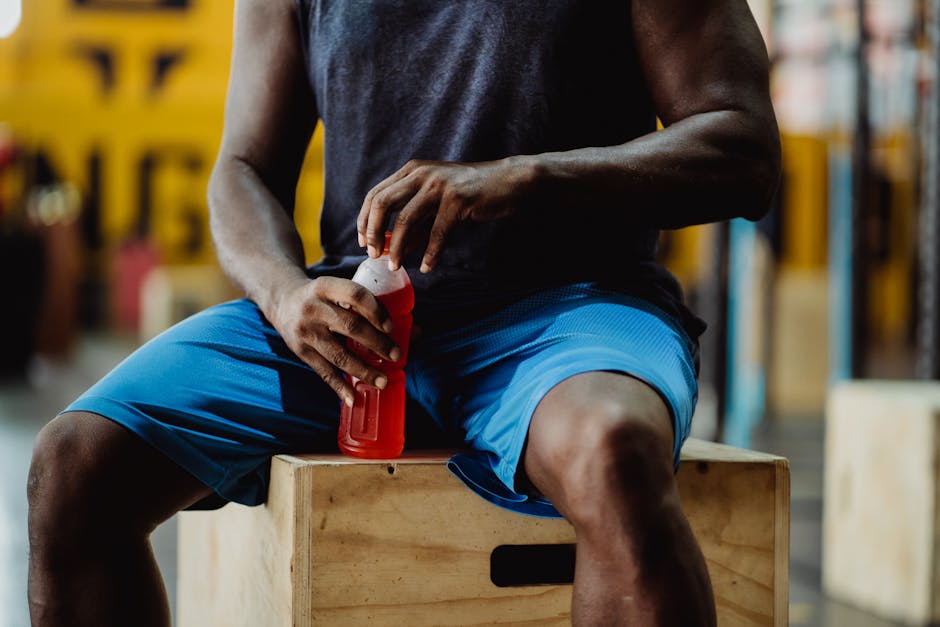
Hydration is often overlooked, especially in cold weather. During exercise, the body loses fluids through sweat and respiration. Ensuring adequate hydration post-workout is vital for muscle recovery and overall health. Aim to drink water or electrolyte-replenishing beverages to restore lost fluids.
2. Nutrition
Nutrition plays a pivotal role in recovery. Consuming a balanced meal rich in protein and carbohydrates post-workout can help repair muscle damage and replenish glycogen stores. Here’s a simple recovery recipe to consider:

Ingredients:
- 1 banana
- 1 cup spinach
- 1 scoop protein powder
- 1 tablespoon almond butter
- 1 cup almond milk
Instructions: Blend all ingredients until smooth. Enjoy within 30 minutes post-workout for optimal recovery benefits.
3. Active Recovery
Engaging in low-intensity activities, such as walking or yoga, can enhance recovery by promoting blood flow and reducing muscle soreness. Active recovery helps in flushing out lactic acid and other metabolic waste products from the muscles.
4. Proper Rest
Rest is a fundamental aspect of recovery. Sleep is the body’s natural repair mechanism, and adequate sleep can significantly enhance recovery times. Aim for 7-9 hours of quality sleep per night to optimize recovery from cold weather workouts.
Cold Weather-Specific Recovery Techniques
In addition to general recovery strategies, there are specific techniques that can be particularly beneficial after cold weather workouts:
1. Warm Baths or Showers
Taking a warm bath or shower post-workout can help relax muscles and improve blood circulation. The heat dilates blood vessels, promoting better blood flow to sore muscles.
2. Compression Garments
Wearing compression garments can aid in recovery by reducing muscle soreness and swelling. They work by improving circulation and providing support to fatigued muscles.
3. Foam Rolling
Foam rolling is an effective self-myofascial release technique that can alleviate muscle tightness and improve flexibility. Spending a few minutes foam rolling major muscle groups can expedite recovery.
Counterarguments: Do You Really Need a Recovery Routine?
Some argue that a recovery routine is unnecessary, particularly for those who feel fine after their cold weather workouts. However, this perspective overlooks the long-term benefits of a structured recovery plan. While immediate performance may seem unaffected, neglecting recovery can lead to cumulative fatigue, decreased performance, and increased injury risk over time.
Research has shown that athletes who prioritize recovery tend to perform better and experience fewer injuries compared to those who do not (Kreher & Schwartz, 2012). Thus, dismissing recovery as optional is a dangerous mindset.
Conclusion: Crafting Your Recovery Routine After Cold Weather Workouts
In conclusion, recovery after cold weather workouts is not just a suggestion; it is a necessity. By incorporating hydration, nutrition, active recovery, proper rest, and cold weather-specific techniques into your routine, you can enhance your recovery and overall performance. Understanding the physiological effects of cold weather on the body and debunking common myths surrounding recovery are crucial steps in this process.
As you develop your recovery routine, remember that personalization is key. What works for one person may not work for another, so experiment with different techniques to find your optimal recovery strategy.
For more information on exercise and fitness, check out our [Exercise Daily](https://exercisedaily.com/category/exercise/) and [Fitness](https://exercisedaily.com/category/fitness/) categories.
- Kreher, J. B., & Schwartz, J. B. (2012). Overtraining syndrome: a practical guide. PubMed Central
- Gonzalez, A. M., & McKenzie, S. (2019). The effects of cold exposure on recovery after exercise. NIH
- Halson, S. L. (2014). Recovery techniques for athletes. PubMed Central
- Häkkinen, K., & Keskinen, K. L. (2017). Recovery after exercise. NIH
These are for informational purposes only. Consult your doctor and do your own research before use.
Eat daily, sleep daily, exercise daily.