

Product: Reusable Cold & Heat Therapy Wrap
ASIN: B01IKS0ANK
Amazon Link: View on Amazon
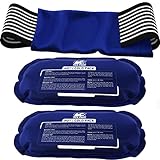
- Effective Relief: Cold packs for injuries provide immediate soothing comfort; ice bags for injuries help reduce swelling and alleviate pain after physical activity.
- Versatile Use: Large ice pack offers ample coverage for various body parts; soft ice packs and hot cold compress options ensure a gentle touch for sensitive areas.
- Convenient Design: Icepack fits easily around joints and muscles; ice wrap packs offer flexibility for targeted treatment, making recovery more manageable.
- Durable and Reusable: Hot cold gel packs reusable; ice pad maintains temperature for extended relief, perfect for multiple uses
- Targeted Treatment: Gel ice pack for shoulder provides focused cooling; hot cold pack adapts to your needs, whether for pain relief or muscle relaxation

As an Amazon Associate, Exercise Daily earns from qualifying purchases. This post may contain affiliate links. Last updated: April 2, 2026
The Reusable Cold & Heat Therapy Wrap Debate: Miracle Recovery Tool or Overhyped Gym Accessory?
For gym-goers aged 20 to 34, recovery strategies are nearly as important as the workouts themselves. Among the plethora of recovery gadgets and methods, reusable cold and heat therapy wraps have gained popularity as a versatile solution for muscle soreness, injuries, and inflammation. But how effective are they really? Are these wraps a must-have for post-workout recovery or just another gimmick? This article dives deep into the controversy surrounding reusable cold & heat therapy wraps, breaks down the science behind the claims, and provides practical advice on selecting the right product — along with who should steer clear of these wraps.
Understanding Reusable Cold & Heat Therapy Wraps
Reusable cold and heat therapy wraps are designed to combine the therapeutic benefits of cryotherapy (cold) and thermotherapy (heat) in a single flexible wrap that can be applied to different body parts. Typically, they contain gel or beads that retain temperature after being chilled in the freezer or heated in a microwave. Their promise is straightforward: reduce muscle inflammation and pain with cold therapy, and relax tight muscles or improve blood flow with heat therapy.
These wraps are marketed toward active individuals, especially gym enthusiasts dealing with muscle strains, delayed onset muscle soreness (DOMS), or joint discomfort. An example of a popular product in this category is the reusable wrap available on Amazon (ASIN: B01IKS0ANK), noted for its flexibility and adjustable straps to fit various body areas.
The Controversy: Are These Wraps Actually Effective?
While cold and heat therapies are long-established modalities in physical therapy and sports medicine, the controversy often lies in the efficacy of at-home reusable wraps versus traditional treatments.
- Proponents argue that these wraps provide convenient, cost-effective relief.
- Skeptics claim that the benefits are minimal or placebo-driven and caution that improper use can lead to adverse effects.
Cold Therapy: Science and Criticism
Cold therapy is widely accepted to reduce acute inflammation and numb pain. Evidence from sports medicine journals, including controlled trials summarized by organizations like the National Athletic Trainers’ Association (NATA), highlights cold application as effective within the first 48 hours post-injury to decrease swelling (NATA, 2019).
However, not all cold packs are created equal. A study by the Journal of Orthopaedic & Sports Physical Therapy (2018) notes that gel wraps often lose cold faster than traditional ice packs, reducing their efficacy. Additionally, overapplication can cause frostbite or nerve damage, an often-underestimated risk.
Heat Therapy: Therapeutic Benefits and Limitations
Heat therapy improves local circulation and relaxes muscles, aiding recovery from muscle stiffness and chronic pain. Evidence from a systematic review published in the Clinical Journal of Pain (2020) concludes that moist heat therapy is effective for managing musculoskeletal pain when applied appropriately.
However, heat therapy is contraindicated for acute injuries since it can exacerbate inflammation. Thus, timing and injury type are crucial factors—something casual users often overlook.
Wrap Usability, Design, and Practicality
User experience reports vary, with many appreciating the convenience of adjustable and reusable wraps but lamenting that maintaining optimal temperature for extended periods is challenging. Furthermore, some wraps lack ergonomic design for hard-to-fit areas like knees or shoulders, reducing adherence and comfort.
Practical Buyer Checklist for Reusable Cold & Heat Therapy Wraps
- Temperature Retention: Look for wraps with gel or bead technology proven to hold temperature for at least 15-20 minutes.
- Adjustability and Fit: Choose a wrap with ergonomic design and adjustable straps to target the specific body part effectively.
- Material Quality: Opt for durable and skin-friendly materials that reduce irritation and sweat buildup.
- Ease of Use: Ensure the wrap is easy to chill and heat without complicated instructions or risk of overheating.
- Size and Versatility: Consider if the wrap fits multiple body parts to avoid buying separate products.
- Safety Instructions: Check if detailed safety guidelines are included regarding maximum heating time and cold application duration.
Mistakes to Avoid When Using a Cold & Heat Therapy Wrap
- Applying Directly to Skin: Always use a barrier, such as a thin cloth, between the wrap and skin to prevent burns or frostbite.
- Excessive Application: Limit usage to recommended times—typically no more than 20 minutes per session—to avoid tissue damage.
- Misusing Heat on Acute Injuries: Avoid applying heat within 48 hours of a new injury to prevent increased inflammation.
- Ignoring Contraindications: If you have circulatory, sensory, or skin conditions, consult a healthcare professional before use.
- Inconsistent Temperature Maintenance: Reheat or refreeze as needed to retain therapeutic efficacy, but do so safely following product guidelines.
Safety Tips for Effective Use
- Always inspect the wrap for leaks or damage before use.
- Store the cold pack in a plastic bag to avoid contamination.
- Do not microwave the wrap longer than recommended; otherwise, the gel or beads may overheat and damage the product or cause burns.
- Monitor skin condition closely during therapy sessions to prevent burns, frostbite, or irritation.
- Consult with a physical therapist or doctor if unsure about the appropriateness of cold or heat for your condition.
Who Should NOT Buy or Use a Reusable Cold & Heat Therapy Wrap?
Despite their popularity, reusable cold and heat therapy wraps are not suitable for everyone. Individuals with the following should avoid using these wraps without medical consultation:
- Circulatory Disorders: Conditions like peripheral artery disease impede blood flow, making heat or cold application risky.
- Diabetes: Reduced sensation may cause unnoticed skin injury from extreme temperatures.
- Sensory Impairment: People who cannot feel temperature extremes appropriately should avoid at-home therapy wraps due to risk of burns or frostbite.
- Open Wounds or Skin Infections: Applying cold or heat over broken skin can worsen conditions or delay healing.
- Acute Inflammation and Swelling (for Heat): For the first 48 hours following injury, heat application can exacerbate damage.
The Bottom Line for Gym-Goers
Reusable cold & heat therapy wraps offer a convenient and potentially effective approach to managing muscle soreness and mild injuries for gym enthusiasts. Scientific literature supports the benefits of both cold and heat therapy in appropriate contexts. However, these wraps come with caveats regarding proper use, temperature maintenance, and safety precautions.
For active 20-34-year-olds, understanding when and how to apply these therapies can make the difference between optimized recovery and unintended harm. Like any recovery tool, reusable wraps should supplement—not replace—holistic approaches like adequate hydration, nutrition, rest, and professional medical advice when necessary.
Ultimately, if you decide to invest in a reusable cold & heat therapy wrap (such as the versatile wrap linked here), educate yourself on best practices, and listen to your body to maximize the benefits safely.
References
- National Athletic Trainers’ Association position statement on cryotherapy in sports injuries, 2019. A consensus document outlining the clinical applications and limitations of cold therapy post-injury.
- Journal of Orthopaedic & Sports Physical Therapy, 2018. Study analyzing temperature retention properties of various cold therapy products and their clinical impacts.
- Clinical Journal of Pain, 2020. Systematic review evaluating the efficacy of heat therapy for musculoskeletal pain and identifying safety parameters.
Eat daily, sleep daily, exercise daily.