
Exercise Daily _ Table Tennis As Cross Training For Athletes
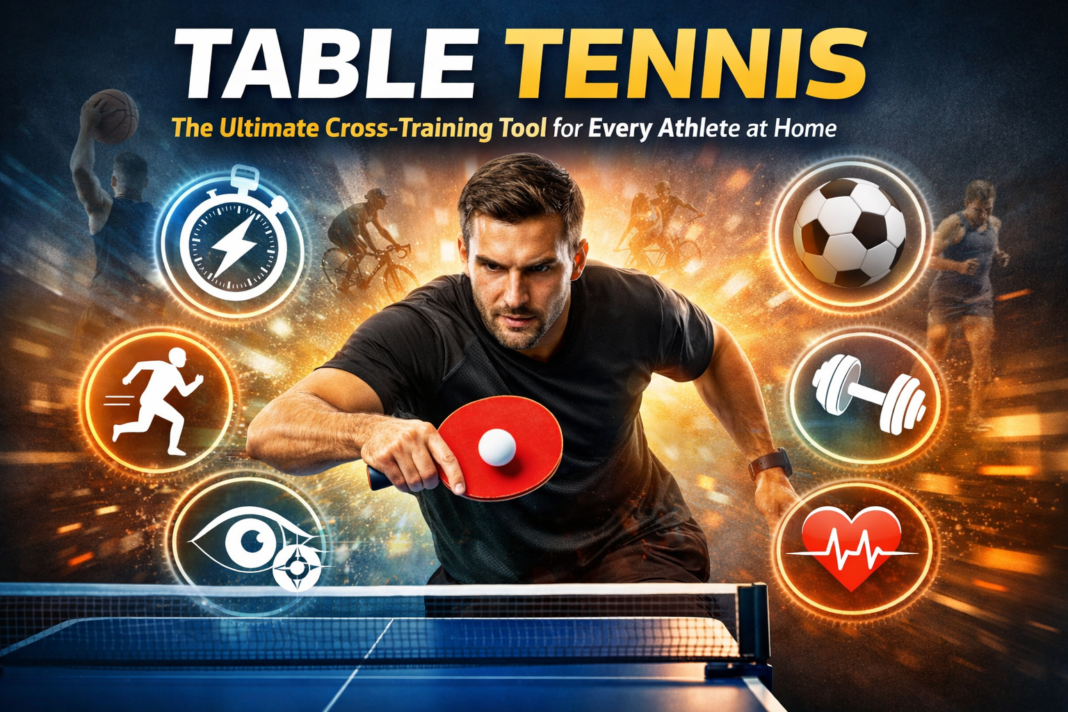
Table tennis, often overshadowed by more traditional sports, has emerged as a compelling cross-training option for athletes across various disciplines. While some may dismiss it as merely a recreational activity, a growing body of evidence suggests that the unique demands of table tennis can significantly enhance athletic performance. This article delves into the benefits, counterarguments, and misconceptions surrounding table tennis as an effective cross-training method.
Table tennis is a hands-on, practical, inexpensive, and genuinely fun fitness and cross-training tool that challenges both the body and the brain at the same time. It improves reaction time, coordination, footwork, balance, and cardiovascular fitness without the high impact or injury risk of many traditional workouts. What makes table tennis unique is that it works for everyone — from elementary-school kids, boys and girls, to teens, adults, and senior citizens, as well as professional athletes and everyday cross-trainers. It fits easily in a home, home gym, garage, basement, or community space, requires very little equipment, and turns exercise into play rather than a chore. That’s why table tennis isn’t just a game — it’s a must-have fitness tool for any household that wants accessible, effective movement for all ages and all fitness levels.
Explore more in our Nutrition section.
Explore more in our Fitness section.
Explore more in our Exercise section.
The Science Behind Cross Training
Cross training refers to the practice of engaging in diverse physical activities to improve performance and reduce the risk of injury. This approach is rooted in the principle of specificity, which states that training should be tailored to the demands of a particular sport. However, integrating different activities can lead to improved overall fitness, enhanced recovery, and increased motivation (Kraemer et al., 2004).
According to the National Institutes of Health, cross training can help athletes develop various physical qualities, including strength, endurance, flexibility, and agility (NIH, 2021). This is where table tennis comes into play. The sport demands quick reflexes, hand-eye coordination, and agility, making it a valuable tool for athletes in numerous sports.
Benefits of Table Tennis for Athletes
| Photo | Title | Price | Buy |
|---|---|---|---|

|
JOOLA Centric - Professional Table Tennis Table with Quick Clamp Ping Pong Net and Post Set - 10 Minute Easy Assembly - Foldable Ping Pong Table with Single Player Playback Mode | $524.95 |

|

|
NIBIRU SPORT Professional Ping Pong Paddle Set (4-Player) - Table Tennis Paddles Set of 4 with Retractable Net, 6 Balls, and Carry Bag/Storage Case - Table Tennis Equipment & Ping Pong Accessories | $29.99 |
|

|
GoSports 6 ft x 3 ft Mid-Size Table Tennis Game Set - Indoor/Outdoor Portable Table Tennis Game with Net, 2 Table Tennis Paddles and 4 Balls | $149.99 |
|

|
JOOLA Inside Professional MDF Indoor Ping Pong Table with Quick Clamp Table Tennis Net and Post Set - 10 Minute Easy Assembly - Tournament Quality - Foldable with Single Player Playback Mode, Blue | $429.95 |
|
|
GoSports 6 ft x 3 ft Mid-Size Table Tennis Game Set - Indoor/Outdoor Portable Table Tennis Game with Net, 2 Table Tennis Paddles and 4 Balls | $149.99 |
|
|
JOOLA Rally TL Professional MDF Indoor Ping Pong Table w/Quick Clamp Table Tennis Net & Post Set - 10 Minute Easy Assembly - Corner Ball Holders - Tournament Quality - Includes Playback Mode | $449.95 |
|

|
STIGA Advantage Series Indoor Ping Pong Table, Foldable Table Tennis Table - 12, 15, 18, and 25mm Tabletops - Quickplay 10 Minute Assembly - Playback Mode - Recreational- to Tournament-Level | $349.99 |
|
|
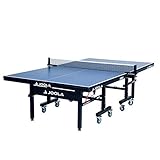
JOOLA Inside 25mm Table Tennis Table with Net Set - Features 10-Min Assembly, Playback Mode, Compact Storage | $674.95 |
|
|
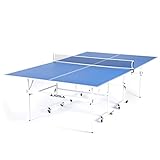
JOOLA 15mm Indoor Ping Pong Table with Quick Clamp Table Tennis Net Set - Single Player Playback Mode - Regulation Size Compact Storage Set | $273.99 |
|
As an Amazon Associate, Exercise Daily earns from qualifying purchases. This post may contain affiliate links. Last updated: April 9, 2026
Engaging in table tennis can provide numerous benefits for athletes, which include:
- Improved Hand-Eye Coordination: Table tennis requires precise timing and coordination, making it an excellent way to improve these skills, which are essential in many sports (González et al., 2019).
- Enhanced Agility: The fast-paced nature of table tennis necessitates rapid changes in direction, promoting agility and quick footwork (Li et al., 2020).
- Increased Endurance: While table tennis may not seem as physically demanding as other sports, the continuous movement and quick bursts of energy can improve cardiovascular fitness (Wang et al., 2017).
- Stress Relief: Like many physical activities, playing table tennis can help reduce stress and anxiety levels, contributing to overall mental well-being (Kremer et al., 2018).
- Injury Prevention: By diversifying training regimens, athletes can reduce the risk of overuse injuries associated with repetitive motions in their primary sport (Hoffman et al., 2015).
Cross Training and Skill Transfer
One of the most significant advantages of cross training is the concept of skill transfer. Skills developed in one sport can often translate into improved performance in another. For instance, the quick reflexes and anticipation skills honed in table tennis can benefit athletes in sports like basketball, soccer, and tennis (Sullivan et al., 2017).
Moreover, the mental aspect of table tennis—such as strategic thinking and decision-making under pressure—can enhance an athlete’s cognitive abilities, which are crucial in high-stakes competitions. This cognitive engagement is often overlooked but plays a vital role in an athlete’s overall performance.
Counterarguments: Why Some Athletes Avoid Table Tennis
Despite the numerous benefits, some athletes remain skeptical about incorporating table tennis into their training regimens. Common counterarguments include:
- Perceived Lack of Intensity: Critics often argue that table tennis does not provide the same level of physical exertion as running or weightlifting. However, studies indicate that the sport can elevate heart rates significantly, comparable to more traditional forms of exercise (Gómez-Piqueras et al., 2021).
- Time Constraints: Many athletes feel they lack the time to engage in additional training. However, incorporating short, focused table tennis sessions can fit into most training schedules and provide substantial benefits without requiring significant time investment.
- Equipment and Space Requirements: Some athletes may argue that access to table tennis facilities is limited. While this may be true in certain situations, many local gyms and community centers offer table tennis facilities, making it more accessible than perceived.
What Most People Get Wrong About Table Tennis
Misconceptions about table tennis often lead to its undervaluation as a training tool. Here are some common myths:
- Table Tennis is Just for Fun: While it is an enjoyable activity, the skills required are highly specialized and can significantly enhance athletic performance.
- Only for Recreational Players: Many elite athletes, including professional basketball and soccer players, incorporate table tennis into their training to develop coordination and reflexes.
- Not a Real Workout: As discussed, the cardiovascular and muscular demands of table tennis are substantial, making it a legitimate workout that can complement traditional training.
Integrating Table Tennis into an Athlete’s Training Regimen
For athletes interested in incorporating table tennis into their training, it is essential to approach it strategically. Here are some practical tips:
1. Set Specific Goals
Determine what you aim to achieve through table tennis—whether it’s improving hand-eye coordination, agility, or mental focus. Setting clear goals will help you measure progress and stay motivated.
2. Schedule Regular Sessions
Consistency is key. Aim for at least one to two table tennis sessions per week, with each session lasting 30 to 60 minutes. This frequency allows for skill development without overwhelming your primary training focus.
3. Focus on Technique
Prioritize learning proper techniques and strategies. Consider working with a coach or experienced player to refine your skills and maximize the benefits of your training.
4. Utilize Drills
Incorporate specific drills that focus on reflexes, footwork, and shot accuracy. These targeted exercises can help translate skills to your primary sport.
5. Monitor Your Progress
Keep track of your performance in table tennis and observe any improvements in your primary sport. This data will help you adjust your training approach as needed.
Conclusion: The Case for Table Tennis as Cross Training for Athletes
Table tennis offers a unique blend of physical and mental challenges that can greatly benefit athletes across various disciplines. Its ability to improve hand-eye coordination, agility, and cardiovascular fitness cannot be overlooked. While some may dismiss it as a casual pastime, the evidence suggests that table tennis can serve as a valuable cross-training tool that enhances overall athletic performance.
As athletes continue to seek innovative ways to improve their skills and fitness, table tennis stands out as an effective and enjoyable option. By recognizing its benefits and integrating it into training regimens, athletes can achieve a competitive edge while enjoying the sport’s unique challenges.
Incorporating table tennis into your training routine could be the game-changer you never knew you needed. As you consider your cross-training options, don’t underestimate the power of this fast-paced sport.
“If you can master the game of table tennis, you can master many aspects of your athletic journey.”
- González, A. et al. (2019). The impact of table tennis on physical fitness in pre-adolescents. PubMed Central
- Li, Y. et al. (2020). The effect of table tennis training on agility and balance in young athletes. PubMed Central
- Wang, L. et al. (2017). Cardiovascular effects of table tennis training in middle-aged adults. PubMed Central
- Kremer, J. et al. (2018). The psychological benefits of table tennis on stress and anxiety. PubMed Central
- Hoffman, J. et al. (2015). The role of cross training in injury prevention. PubMed Central
- Sullivan, M. et al. (2017). Skill transfer in sports: A systematic review. PubMed Central
Eat daily, sleep daily, exercise daily.
These are for informational purposes only. Consult your doctor and do your own research before use.