

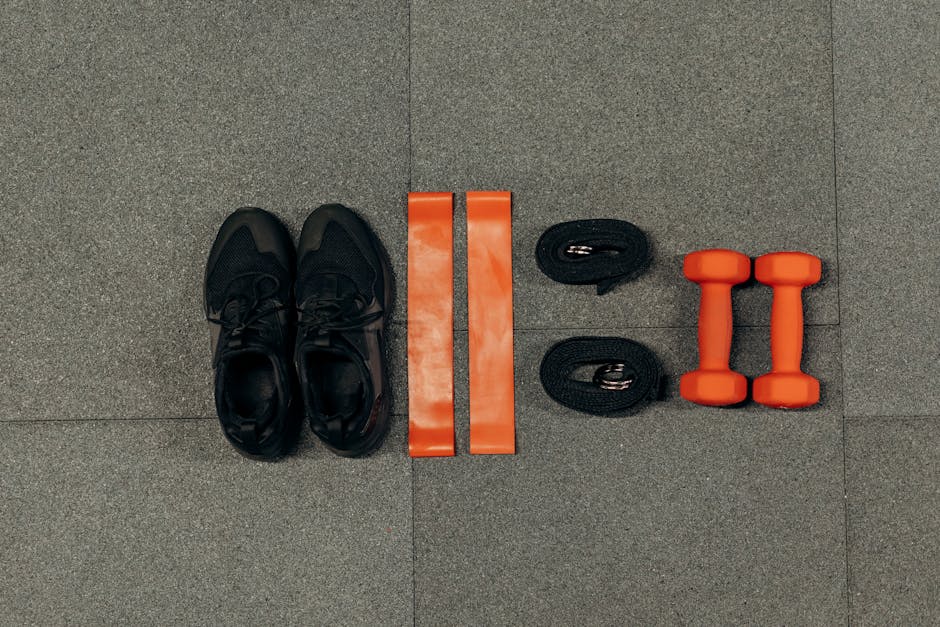
Exercise Daily _ Walking Workout For Weight Loss
In the realm of fitness, walking is often touted as the simplest and most accessible form of exercise. But is a walking workout truly effective for weight loss? This question ignites a heated debate among fitness enthusiasts and health professionals alike. While many swear by their daily strolls to shed pounds, others argue that walking alone is insufficient for significant weight loss. This article aims to dissect the evidence surrounding walking workouts for weight loss, address common misconceptions, and provide actionable insights for those looking to incorporate walking into their weight loss regimen.
Explore more in our Top 20 Viral Products section.
Explore more in our Natural Remedies section.
Explore more in our Wellness section.
The Science Behind Walking and Weight Loss
Walking is a low-impact aerobic exercise that can contribute to caloric expenditure, which is essential for weight loss. The basic premise of weight loss is straightforward: consume fewer calories than you burn. A study published in the Journal of Physical Activity and Health found that moderate-intensity walking can significantly increase energy expenditure. Depending on factors like speed, terrain, and individual body weight, a person can burn anywhere from 150 to 300 calories per hour walking at a moderate pace.
Calories Burned While Walking
The number of calories burned while walking varies based on several factors:
- Walking speed: Faster walking increases caloric burn.
- Body weight: Heavier individuals burn more calories.
- Terrain: Walking uphill or on uneven surfaces increases intensity.
- Duration: Longer walks yield more calories burned.
For example, a 160-pound person walking at 4 miles per hour can burn approximately 314 calories in an hour, while a 200-pound person may burn around 391 calories in the same time frame. Thus, walking can be a viable option for those seeking to lose weight, particularly when combined with dietary changes.
What Most People Get Wrong About Walking Workouts
Despite its benefits, many individuals harbor misconceptions about walking workouts for weight loss. Here are some common errors:
1. Walking Alone is Sufficient
While walking contributes to caloric expenditure, relying solely on it for substantial weight loss may lead to disappointment. A study in the American Journal of Clinical Nutrition found that individuals who combined walking with strength training achieved greater fat loss compared to those who walked alone. Strength training helps build muscle, which in turn increases resting metabolic rate, enhancing overall weight loss efforts.
2. Not Accounting for Diet
Another common mistake is neglecting dietary habits. Walking can help burn calories, but if one compensates by overeating, weight loss goals can be undermined. The World Health Organization emphasizes the importance of a balanced diet rich in fruits, vegetables, whole grains, and lean proteins. The combination of a healthy diet and regular walking can yield the best results.
3. Ignoring Intensity
Many individuals walk at a leisurely pace, which may not produce significant weight loss results. Increasing the intensity of walks—through brisk walking, incorporating intervals, or adding inclines—can enhance caloric burn. Research from the Journal of Sports Sciences indicates that higher intensity workouts can lead to greater fat loss compared to moderate-intensity activities.
How to Optimize Walking Workouts for Weight Loss
To make the most out of walking workouts for weight loss, consider the following strategies:
1. Set Clear Goals
Establish specific, measurable, achievable, relevant, and time-bound (SMART) goals. For instance, aim to walk 10,000 steps a day or complete a 30-minute brisk walk five times a week. Tracking your progress can boost motivation and accountability.
2. Incorporate Interval Training
Interval training involves alternating between periods of high-intensity walking and moderate walking. This method has been shown to enhance calorie burn and improve cardiovascular fitness. For example, walk briskly for one minute, followed by two minutes of a slower pace, and repeat for 30 minutes.
3. Use Proper Walking Technique
Maintaining good walking posture can enhance the effectiveness of your workout. Keep your head up, shoulders back, and engage your core. Swing your arms naturally to help increase intensity and burn more calories.
4. Add Resistance
Incorporating resistance through weighted vests or ankle weights can increase the challenge of your walking workouts. A study published in the Journal of Strength and Conditioning Research found that adding weights can significantly increase caloric expenditure during walking.
5. Combine with Strength Training
As previously mentioned, integrating strength training into your fitness routine can enhance weight loss results. Aim for at least two days of strength training per week, targeting all major muscle groups. This combination will maximize fat loss and improve overall body composition.
Walking Workouts and Mental Health
Beyond physical benefits, walking workouts can also improve mental health. Regular physical activity, including walking, has been linked to reduced symptoms of anxiety and depression. A meta-analysis in the Journal of Affective Disorders found that walking can significantly reduce depressive symptoms, leading to improved overall well-being. Therefore, while pursuing weight loss, remember the mental health benefits walking provides.
Counterarguments: Is Walking Enough?
While walking has many benefits, critics often argue that it may not be sufficient for everyone, especially those with specific weight loss goals. Some point out that individuals with higher body fat percentages may require more vigorous exercise to achieve significant fat loss. Furthermore, metabolic adaptations can occur in response to prolonged moderate-intensity exercise, potentially leading to plateaus in weight loss. A study in the Annual Review of Nutrition discusses how individuals may need to adjust their exercise intensity or duration over time to continue losing weight.
Moreover, some individuals may find walking less engaging than other forms of exercise, leading to decreased adherence over time. Therefore, it’s essential to find a variety of activities that maintain motivation and enjoyment.
Conclusion
Walking workouts can be an effective and accessible method for weight loss when approached correctly. By setting goals, increasing intensity, and integrating strength training, individuals can maximize their weight loss potential. However, it is crucial to remember that walking alone may not suffice for everyone, and dietary considerations play a significant role in achieving weight loss targets. Ultimately, finding a balance that works for your lifestyle and preferences is key.
For more insights on exercise, fitness, and nutrition, explore our comprehensive articles on exercise, fitness, and nutrition.
Recipe: Energizing Walking Snack
To fuel your walking workouts, try this simple and energizing snack:
Peanut Butter Banana Rice Cakes
- 1 rice cake
- 1 tablespoon peanut butter (or almond butter)
- 1 banana, sliced
- Drizzle of honey (optional)
Spread the peanut butter on the rice cake, top with banana slices, and drizzle with honey if desired. This snack provides a good balance of carbohydrates and healthy fats to keep you energized during your walks.
References
- Journal of Physical Activity and Health
- American Journal of Clinical Nutrition
- World Health Organization
- Journal of Sports Sciences
- Journal of Strength and Conditioning Research
- Journal of Affective Disorders
- Annual Review of Nutrition
These are for informational purposes only. Consult your doctor and do your own research before use.
Eat daily, sleep daily, exercise daily.