

Exercise Daily _ Winter Mobility Exercises At Home
As the cold winds blow and snow blankets the ground, many people retreat indoors, often neglecting their physical health. Winter can be a challenging season for maintaining mobility, yet it is also an ideal time to focus on exercises that enhance flexibility, strength, and overall well-being. This article explores the importance of winter mobility exercises at home, debunks common misconceptions, and presents a structured approach to staying active during the colder months.
Explore more in our Nutrition section.
Explore more in our Fitness section.
Explore more in our Exercise section.
Understanding Mobility and Its Importance
Mobility refers to the ability of your joints to move freely through their full range of motion. It plays a crucial role in overall physical fitness and daily activities. Improved mobility can lead to better posture, reduced risk of injury, and enhanced athletic performance. According to a study published in the Journal of Physical Therapy Science, maintaining mobility is essential for older adults to support their independence and quality of life.
During winter, many individuals become sedentary, which can lead to stiffness, decreased flexibility, and a higher risk of injuries when returning to physical activity. This is particularly concerning as a lack of mobility can exacerbate conditions such as arthritis and lower back pain. Thus, incorporating mobility exercises into your winter routine is vital.
Common Misconceptions About Winter Mobility Exercises
Many people mistakenly believe that they can only perform mobility exercises outdoors or that these exercises are unnecessary during winter. Here are some common misconceptions:
- Myth 1: “I don’t need to exercise in winter; I can just wait until spring.”
- Myth 2: “Mobility exercises are only for athletes or older adults.”
- Myth 3: “I can’t exercise indoors due to lack of space or equipment.”
In reality, mobility exercises can be performed anywhere and are beneficial for people of all ages and fitness levels. Emphasizing indoor workouts during winter can prevent the negative health impacts of a sedentary lifestyle.
Winter Mobility Exercises You Can Do at Home
Now that we’ve established the importance of mobility and dispelled common myths, let’s explore some effective winter mobility exercises that you can easily perform at home.
1. Dynamic Warm-Ups
Before diving into specific mobility exercises, it’s essential to warm up your body. Dynamic warm-ups increase blood flow to your muscles and prepare your joints for movement. Here are a few dynamic warm-up exercises:
- Leg Swings: Stand on one leg and swing the other leg forward and backward. Repeat for 10-15 swings on each leg.
- Arm Circles: Extend your arms out to the side and make small circles, gradually increasing the size. Do this for 30 seconds in both directions.
- Torso Twists: Stand with your feet shoulder-width apart and twist your torso side to side. Aim for 10-12 twists.
These exercises prepare your body and enhance your mobility, making your workout more effective.
2. Stretching Exercises
Static stretching is another critical component of mobility training. Here are some effective stretches you can do at home:
“Static stretching should be performed after dynamic warm-ups and before or after workouts to improve flexibility.” – National Institutes of Health
- Hamstring Stretch: Sit on the floor with one leg extended and the other bent. Reach towards your toes of the extended leg and hold for 20-30 seconds. Repeat on the other side.
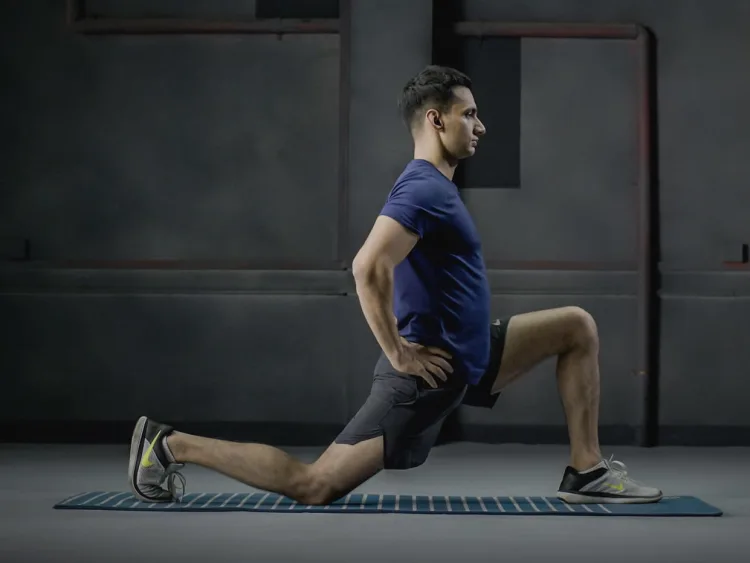
- Hip Flexor Stretch: Kneel on one knee with the other foot in front, creating a 90-degree angle. Push your hips forward gently and hold for 20-30 seconds. Switch sides.
- Shoulder Stretch: Bring one arm across your body and use the other arm to gently pull it closer to your chest. Hold for 20-30 seconds on each side.
Incorporating these stretches will not only improve your mobility but also promote relaxation and reduce stress during the winter months.
3. Strengthening Exercises
Strengthening your muscles is essential for maintaining mobility. Here are several effective exercises that require minimal space and equipment:
- Bodyweight Squats: Stand with your feet shoulder-width apart and lower your body as if sitting in a chair. Keep your chest up and knees behind your toes. Aim for 10-15 repetitions.
- Push-Ups: Start in a plank position and lower your body until your chest nearly touches the ground. Push back up to the starting position. Modify by doing push-ups on your knees if necessary. Perform 8-12 repetitions.
- Glute Bridges: Lie on your back with your knees bent and feet flat on the floor. Lift your hips towards the ceiling, squeezing your glutes at the top. Hold for a moment and lower back down. Aim for 10-15 repetitions.
These exercises will enhance your strength, which is crucial for maintaining mobility and preventing injuries.
4. Balance Exercises
Balance is a critical aspect of mobility that often goes overlooked. Improving your balance can help you maintain stability and prevent falls. Here are a few balance exercises you can do at home:
- Single-Leg Stand: Stand on one leg for 30 seconds, keeping your core engaged. Switch legs and repeat.
- Heel-to-Toe Walk: Walk in a straight line, placing the heel of one foot directly in front of the toes of the other foot with each step. Focus on keeping your balance.
- Side Leg Raises: Stand next to a wall or chair for support. Raise one leg out to the side and hold for a moment before lowering. Aim for 10-12 repetitions on each side.
These balance exercises will help you stay agile and prevent mobility issues, particularly as you age.
Creating a Routine
Establishing a consistent routine is essential for reaping the benefits of winter mobility exercises. Aim for at least 20-30 minutes of activity most days of the week. Here’s a simple weekly structure you can follow:

- Monday: Dynamic warm-ups + Stretching exercises
- Tuesday: Strengthening exercises
- Wednesday: Balance exercises + Stretching
- Thursday: Dynamic warm-ups + Strengthening exercises
- Friday: Balance exercises + Stretching
- Saturday: Full-body workout (mix of all exercises)
- Sunday: Rest and recovery
Consistency is key; even short sessions can significantly improve your mobility and overall fitness.
Nutrition for Optimal Mobility
While exercise is crucial, nutrition also plays a vital role in maintaining mobility and overall health. Consuming a balanced diet rich in anti-inflammatory foods can help support joint health and enhance recovery from your workouts. Consider incorporating the following foods:
- Leafy greens (e.g., spinach, kale)
- Fatty fish (e.g., salmon, mackerel)
- Nuts and seeds (e.g., walnuts, chia seeds)
- Berries (e.g., blueberries, strawberries)
- Whole grains (e.g., quinoa, brown rice)
For a delicious and nutritious winter recipe, try this Anti-Inflammatory Turmeric Golden Milk:
Ingredients:
- 2 cups of almond milk (or any milk of choice)
- 1 teaspoon of turmeric powder
- 1/2 teaspoon of cinnamon
- 1 tablespoon of honey (or maple syrup)
- A pinch of black pepper (to enhance turmeric absorption)
Instructions: In a saucepan, combine all ingredients and heat over medium until warm. Stir well and enjoy!
Conclusion
Winter mobility exercises at home are essential for maintaining physical health during the colder months. By incorporating a variety of warm-ups, stretching, strengthening, and balance exercises into your routine, you can significantly improve your mobility and overall fitness. Remember, it’s crucial to dispel common misconceptions about exercise during winter and recognize the importance of both physical activity and nutrition.
As we have seen, staying active indoors can prevent the negative effects of a sedentary lifestyle and enhance your quality of life. So, embrace the chill and make mobility a priority this winter. By doing so, you’ll set yourself up for success when spring arrives.
- Journal of Physical Therapy Science
- National Institutes of Health
- BMC Complementary Medicine and Therapies
- World Health Organization
These are for informational purposes only. Consult your doctor and do your own research before use.
Eat daily, sleep daily, exercise daily.