Exercise Daily _ Exercises To Prepare For Ski Season
As the winter months approach, ski enthusiasts eagerly anticipate hitting the slopes. However, many overlook the importance of physical preparation before the ski season begins. Preparing your body through targeted exercises can significantly enhance performance and reduce the risk of injury. This article will delve into effective exercises to prepare for ski season, addressing common misconceptions, and offering evidence-based recommendations.
The Importance of Ski Preparation
Most people underestimate the physical demands of skiing. Skiing requires a unique combination of strength, endurance, balance, and flexibility. According to a study published in the Journal of Sports Medicine, skiing engages multiple muscle groups, particularly in the legs, core, and lower back. A well-rounded training program can enhance your skiing experience and potentially extend your skiing career.
However, many skiers make the mistake of assuming that a few days of skiing will suffice to prepare their bodies for the season. This misconception can lead to injuries, fatigue, and decreased performance. Thus, it is crucial to start a dedicated training regimen well before the first snowfall.
Key Muscle Groups Used in Skiing




Before diving into specific exercises, it is essential to understand the primary muscle groups used in skiing. The major muscles involved include:
- Quadriceps: These muscles at the front of your thighs help stabilize your knees during turns.
- Hamstrings: Located at the back of your thighs, they support knee flexion and balance.
- Glutes: The gluteal muscles are vital for propulsion and stability.
- Core: A strong core aids in maintaining balance and proper posture.
- Calves: These muscles help control foot movement and provide stability on the slopes.
Understanding these muscle groups allows you to tailor your training program effectively.
Essential Exercises for Ski Preparation
Now that you recognize the importance of preparing your body for skiing, let’s explore specific exercises that target the key muscle groups involved in this sport.
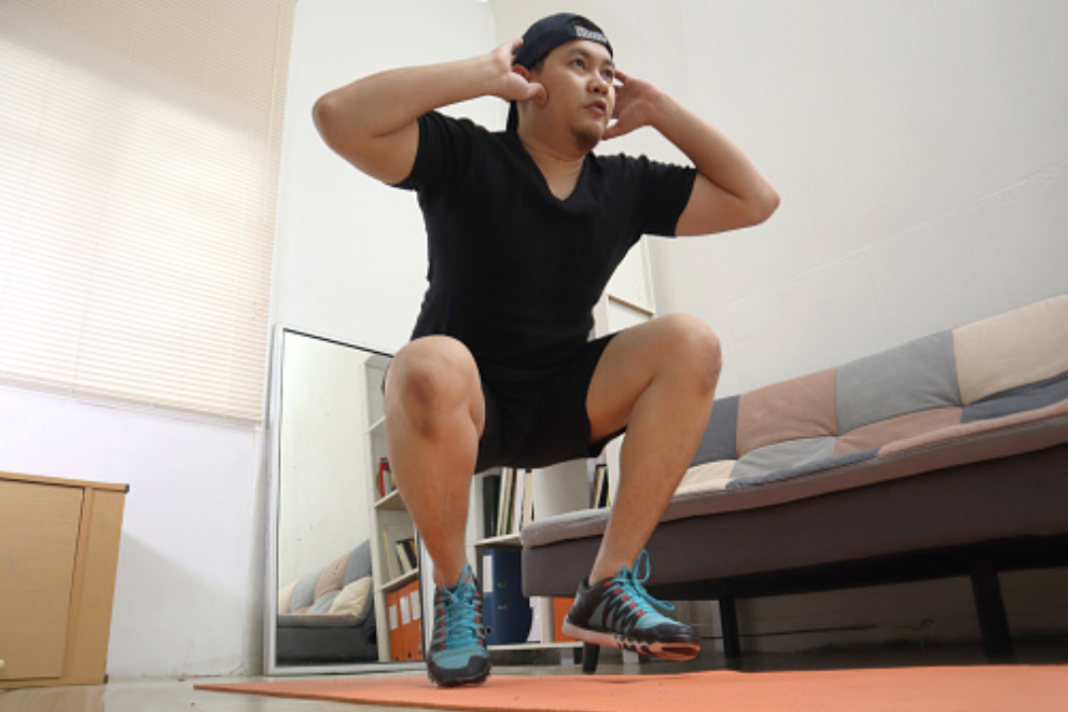
1. Squats
Squats are a fundamental exercise that targets your quadriceps, hamstrings, and glutes. They mimic the movements you’ll perform while skiing, making them essential for preparation.
“Squats not only build strength but also improve balance and coordination, which are crucial for skiing.”
To perform a basic squat:
- Stand with your feet shoulder-width apart.
- Lower your body as if sitting back into a chair, keeping your chest up and knees behind your toes.
- Return to the starting position.
Perform 3 sets of 12-15 repetitions, gradually increasing weight for added resistance.
2. Lunges
Lunges are another excellent exercise that targets your quads, hamstrings, and glutes while improving balance. They replicate the forward movement of skiing and help develop unilateral strength.
To perform a lunge:
- Stand upright, then step forward with one leg.
- Lower your hips until both knees are bent at about a 90-degree angle.
- Push back to the starting position and switch legs.
Aim for 3 sets of 10-12 lunges on each leg.
3. Deadlifts
Deadlifts are a compound exercise that strengthens the posterior chain, including the hamstrings, glutes, and lower back. This is crucial for maintaining proper posture while skiing.
To perform a deadlift:
- Stand with your feet hip-width apart, holding a barbell or dumbbells in front of you.
- Bend at your hips and knees to lower the weights down your legs.
- Engage your glutes and hamstrings to lift the weights back to standing.
Perform 3 sets of 8-10 repetitions, focusing on form over weight.
4. Planks
A strong core is essential for maintaining balance and stability while skiing. Planks are an effective exercise for building core strength.
To perform a plank:
- Get into a push-up position, resting on your forearms instead of your hands.
- Keep your body in a straight line from head to heels.
- Hold this position for 30-60 seconds.
Gradually increase the duration as your strength improves. Aim for 3 sets.
5. Balance Exercises
Balance is critical for skiing, particularly when navigating varied terrain. Incorporate exercises like single-leg stands or stability ball exercises to enhance your balance.
To perform a single-leg stand:
- Stand on one leg, raising the other leg slightly off the ground.
- Hold this position for 30 seconds to 1 minute.
- Switch legs and repeat.
Practice this exercise regularly to improve your proprioception and balance.
6. Stretching and Flexibility Work
Flexibility is often overlooked in ski training programs. Incorporating stretching routines can enhance your range of motion and prevent injuries.
Focus on dynamic stretches before workouts and static stretches post-workout. Key stretches include:
- Hamstring stretch
- Quadriceps stretch
- Hip flexor stretch
- Calf stretch
Hold each stretch for 15-30 seconds, ensuring you do not bounce, which can lead to injuries.
Common Mistakes to Avoid
Despite the wealth of knowledge available on ski preparation, many skiers still make critical errors. Here are some common mistakes to avoid:
- Neglecting Strength Training: Many skiers focus solely on cardio, neglecting strength training. This oversight can lead to fatigue and increased injury risk on the slopes.
- Skipping Core Exercises: A weak core can compromise balance, making it difficult to control your movements while skiing.
- Ignoring Flexibility: Failing to incorporate flexibility work can lead to tight muscles and increased injury risk.
- Not Allowing Recovery Time: Overtraining can lead to burnout and injuries. Ensure you schedule rest days to allow your body to recover.
Nutrition for Ski Season
While exercise is crucial, nutrition plays an equally important role in preparing for ski season. Fueling your body with the right nutrients can enhance your performance and recovery. Focus on a balanced diet rich in:
- Complex carbohydrates for energy (whole grains, fruits, vegetables)
- Lean proteins for muscle repair (chicken, fish, legumes)
- Healthy fats for overall health (avocados, nuts, olive oil)
Hydration is also vital. Drink plenty of water before, during, and after workouts to maintain optimal performance.
Conclusion
Preparing for ski season goes beyond simply hitting the slopes. A comprehensive training program that includes strength training, balance exercises, and flexibility work can significantly improve your skiing experience. Avoid common mistakes, prioritize nutrition, and ensure your body is ready to tackle the challenges of the slopes. Remember, investing time in preparation will pay off in performance and enjoyment on the mountain.
For more insights on fitness and exercise, explore our resources at Exercise Daily and Fitness.
- Journal of Sports Medicine
- PubMed Central
- NIH
- World Health Organization
- American Journal of Sports Medicine
These are for informational purposes only. Consult your doctor and do your own research before use. Eat daily, sleep daily, exercise daily.