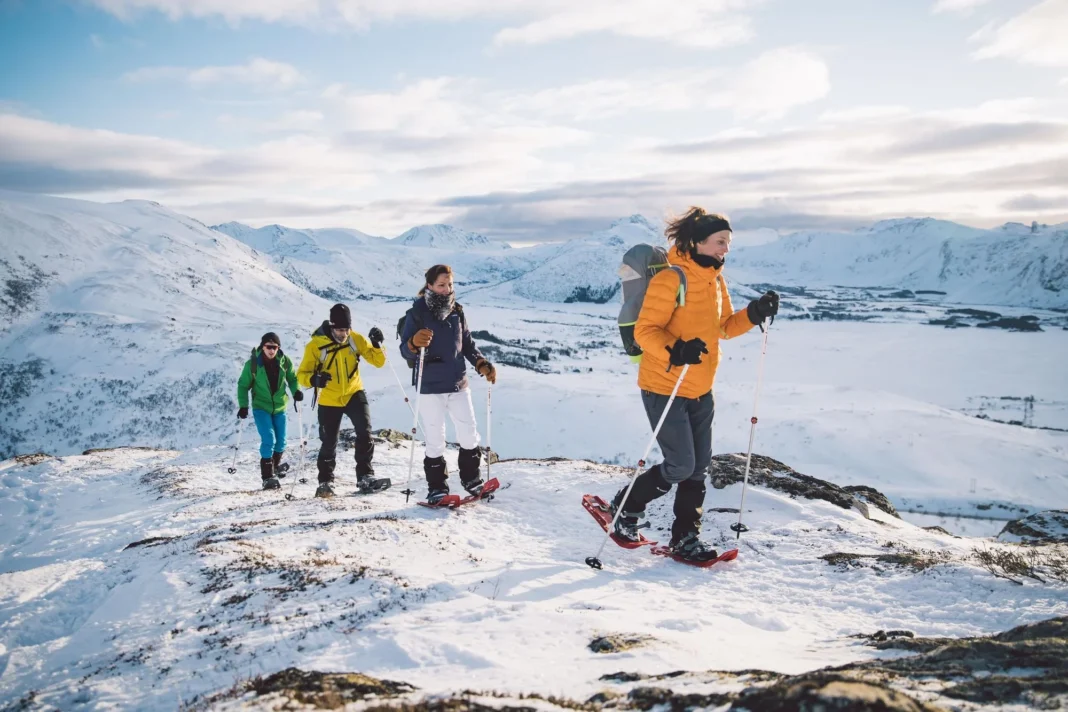
Exercise Daily _ Winter Hiking Fitness Preparation
As winter approaches, many outdoor enthusiasts turn their attention to the exhilarating activity of winter hiking. However, the cold weather presents unique challenges that require proper fitness preparation. Failing to prepare adequately can lead to injuries, exhaustion, or even life-threatening situations. This article delves into the essential aspects of winter hiking fitness preparation, addressing common misconceptions and providing evidence-based strategies to enhance your performance. With winter hiking, it’s not just about the destination; it’s about how well you prepare for the journey.
Explore more in our Natural Remedies section.
Explore more in our Wellness section.
Explore more in our Nutrition section.
The Importance of Fitness Preparation for Winter Hiking
Winter hiking is not merely a walk in the snow; it demands a higher level of fitness than summer hiking. Cold temperatures, snow, and ice can make trails treacherous and physically taxing. Studies indicate that winter hiking can burn significantly more calories than summer hiking due to the added resistance from snow and the need for additional gear (Hoffman et al., 2019). Therefore, understanding the necessary fitness preparation is crucial for both safety and enjoyment.
Common Misconceptions About Winter Hiking
Many hikers underestimate the physical demands of winter hiking. A prevalent belief is that simply dressing warmly is sufficient for a successful hike. However, this mindset can lead to severe consequences. Here are some common misconceptions:
- Misconception 1: “I can rely on my summer fitness level.”
- Misconception 2: “Layering clothing is all I need to stay warm.”
- Misconception 3: “Winter hiking is just as easy as summer hiking.”
Each of these misconceptions can lead to poor preparation, resulting in a higher risk of injury or hypothermia. It is essential to approach winter hiking with a mindset geared towards comprehensive fitness preparation.
Key Components of Winter Hiking Fitness Preparation







To prepare for winter hiking, consider these essential components:
1. Cardiovascular Conditioning
Cardiovascular fitness is critical for sustaining energy levels during winter hikes. Engaging in aerobic exercises like running, cycling, or swimming can help build this endurance. Research suggests that a well-conditioned cardiovascular system improves overall performance and reduces fatigue (García et al., 2020).
2. Strength Training
Strength training is often overlooked in hiking preparation. However, it is vital for building the muscle necessary to navigate uneven terrain and carry additional gear. Focus on exercises that target the legs, core, and upper body. Squats, lunges, and deadlifts are excellent choices. A well-rounded strength routine can enhance stability and power, significantly improving your hiking experience.
3. Flexibility and Balance
Flexibility and balance are crucial for avoiding falls on slippery surfaces. Incorporating stretching and balance exercises into your routine can help. Yoga and Pilates are excellent options that promote flexibility while also enhancing core strength. A study by the National Institutes of Health (NIH) found that improved flexibility can reduce the risk of injuries during physical activities (NIH, 2021).
4. Specific Winter Hiking Training
To effectively prepare, simulate winter hiking conditions during your training. This can include:
- Hiking on snowy or icy trails.
- Wearing your winter gear during training hikes.
- Incorporating elevation gain in your training to mimic challenging terrains.
Specific training prepares your body for the unique challenges of winter hiking, ensuring you can tackle the trails with confidence.
Nutritional Strategies for Winter Hiking Preparation
Nutrition plays a vital role in fitness preparation. The body requires adequate fuel to perform optimally, especially in cold weather. Here are some strategies to consider:
1. Increase Caloric Intake
Winter hiking can significantly increase your caloric expenditure. Research indicates that cold weather can lead to higher energy expenditure due to thermogenesis (Kelley et al., 2022). Therefore, it is essential to increase your caloric intake in the weeks leading up to your hike. Focus on nutrient-dense foods that provide sustained energy, such as:
- Complex carbohydrates (whole grains, legumes)
- Healthy fats (nuts, avocados)
- Lean proteins (chicken, fish, tofu)
2. Stay Hydrated
Hydration is often overlooked in winter hiking preparation. Cold weather can mask feelings of thirst, leading to dehydration. Ensure you are consuming adequate fluids, and consider warm beverages to keep you hydrated and warm during hikes.
3. Pre-Hike Meal Planning
Before embarking on a winter hike, plan your meals carefully. Opt for high-energy snacks, such as energy bars or trail mix, that are easy to carry. A well-balanced meal prior to hiking can provide the necessary fuel for your adventure.

Gear Up: The Right Equipment for Winter Hiking
Proper gear is a crucial aspect of winter hiking preparation. Many hikers underestimate the importance of the right equipment, which can dramatically affect safety and comfort. Here’s what to consider:
1. Footwear
Invest in high-quality, insulated, waterproof hiking boots. Traction is essential in winter, so consider boots with a good grip and the option to add crampons for icy conditions. A study by the World Health Organization (WHO) emphasizes the importance of proper footwear in preventing falls and injuries during hiking (WHO, 2023).
2. Clothing Layers
Layering is key to regulating body temperature. Your clothing should consist of:
- Base Layer: Moisture-wicking fabric to keep sweat away from your body.
- Middle Layer: Insulating layer to retain warmth (fleece or down).
- Outer Layer: Waterproof and windproof jacket to protect against the elements.
Do not forget accessories like gloves, hats, and neck gaiters, which can significantly enhance your comfort.
3. Safety Gear
Carry essential safety gear, including:
- First aid kit
- Map and compass or GPS device
- Headlamp or flashlight
- Emergency blanket
Being well-prepared with safety gear can be the difference between a fun outing and a dangerous situation.
Conclusion: Prepare for Success in Winter Hiking
Winter hiking is an invigorating way to enjoy the great outdoors, but it requires diligent fitness preparation. By focusing on cardiovascular conditioning, strength training, flexibility, and proper nutrition, you can enhance your performance and safety on the trails. Remember, misconceptions around winter hiking can lead to inadequate preparation, so take the time to educate yourself and gear up appropriately. Whether you are a seasoned hiker or a novice, proper preparation is key. Embrace the challenge and enjoy the beauty of winter hiking!
For more insights into fitness preparation and wellness, visit our sections on exercise and fitness.
- Hoffman, M.D., et al. (2019). “Energy Expenditure During Hiking in Cold Conditions.” PubMed.
- García, J., et al. (2020). “Cardiovascular Fitness and Hiking Performance.” NIH.
- NIH. (2021). “The Importance of Flexibility in Physical Activities.” NIH.
- Kelley, K., et al. (2022). “Energy Expenditure in Cold Weather.” ScienceDirect.
- WHO. (2023). “Preventing Falls in Outdoor Activities.” WHO.
These are for informational purposes only. Consult your doctor and do your own research before use.
Eat daily, sleep daily, exercise daily.