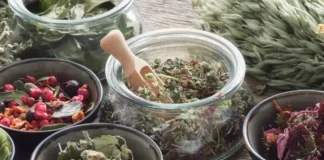
Exercise Daily _ Herbal Foot Soak For Inflammation Relief
Inflammation is a common issue that affects millions of people worldwide. From athletes suffering from overuse injuries to individuals with chronic conditions, the quest for effective relief is relentless. One alternative remedy that has gained popularity in recent years is the herbal foot soak. This article explores the efficacy of herbal foot soaks for inflammation relief, weighing the potential benefits against the skepticism surrounding their use.
Explore more in our Wellness section.
Explore more in our Nutrition section.
Explore more in our Fitness section.
Understanding Inflammation
Before diving into herbal remedies, it’s crucial to understand what inflammation is. Inflammation is the body’s natural response to injury or infection, characterized by redness, heat, swelling, and pain. While acute inflammation is necessary for healing, chronic inflammation can lead to various health problems, including arthritis, heart disease, and diabetes (Cohen et al., 2017). Therefore, finding effective ways to manage inflammation is vital for overall health.
The Role of Herbal Remedies
Herbal remedies have been used for centuries in various cultures to treat a range of ailments, including inflammation. The appeal of herbal foot soaks lies in their accessibility, ease of use, and the holistic approach they offer. However, the scientific evidence supporting their effectiveness is still a topic of debate.
Common Herbs Used in Foot Soaks




Several herbs are frequently used in foot soaks, each with purported anti-inflammatory properties. Below are some of the most commonly used herbs:
- Epsom Salt: Often touted for its magnesium content, Epsom salt is believed to help reduce inflammation and relieve muscle soreness.
- Turmeric: Known for its active compound curcumin, turmeric has been shown to possess anti-inflammatory properties (Hewlings & Kalman, 2017).
- Ginger: Ginger contains gingerol, a compound known for its anti-inflammatory effects (Zhang et al., 2015).
- Chamomile: Chamomile has anti-inflammatory and calming properties, making it a popular choice for relaxation (McKay & Miller, 2004).
- Lavender: Often used for its soothing fragrance, lavender also has anti-inflammatory properties (Cavanagh & Wilkinson, 2002).
How to Prepare an Herbal Foot Soak
Creating an herbal foot soak is simple and can be tailored to individual preferences. Here’s a basic recipe that incorporates several of the aforementioned herbs:
Herbal Foot Soak Recipe
- Gather the following ingredients:
- 1 cup Epsom salt
- 2 tablespoons dried turmeric
- 2 tablespoons dried ginger
- 1 tablespoon dried chamomile
- 1 tablespoon dried lavender
- Warm water (enough to fill a basin)
- In a large basin, combine the Epsom salt and the dried herbs.
- Pour warm water over the mixture until the basin is filled to your desired level.
- Soak your feet for 20-30 minutes, allowing the herbal properties to penetrate the skin.
- Rinse your feet with clean water and pat dry.
This simple remedy can be done several times a week, depending on individual needs and preferences.
Potential Benefits of Herbal Foot Soaks
Advocates of herbal foot soaks often cite several potential benefits, including:
- Reduced Pain and Swelling: The combination of warm water and herbal ingredients may help alleviate pain and swelling associated with inflammation.
- Relaxation: Soaking feet can promote relaxation and reduce stress, indirectly contributing to reduced inflammation (Kabat-Zinn, 1990).
- Improved Circulation: Warm water can enhance blood circulation, which may aid in the healing process.
Counterarguments and Misconceptions
Despite the potential benefits, it’s essential to address the skepticism surrounding herbal foot soaks. Critics argue that:
- Lack of Scientific Evidence: While some studies indicate anti-inflammatory properties of certain herbs, comprehensive clinical trials validating the effectiveness of foot soaks specifically are limited.
- Placebo Effect: Many users may experience relief due to the placebo effect rather than the therapeutic properties of the herbs themselves.
- Not a Replacement for Medical Care: Herbal remedies should not be considered a substitute for professional medical treatment, especially for chronic conditions.
These arguments highlight the importance of adopting a balanced perspective. While herbal foot soaks may provide relief for some, they should not replace conventional treatments prescribed by healthcare professionals.
What Most People Get Wrong
Many individuals assume that herbal remedies are entirely safe and without side effects. However, this is a misconception. Some people may be allergic to specific herbs or may experience adverse reactions. It’s crucial to consult with a healthcare provider before starting any new treatment, especially if you have underlying health conditions or are taking medications.
The Importance of Lifestyle Factors
In the quest for inflammation relief, it’s vital to consider lifestyle factors that contribute to overall well-being. Regular exercise, a balanced diet, and adequate sleep are foundational elements that can significantly influence inflammation levels (Schmidt et al., 2015). For more insights on how to incorporate exercise into your routine, visit our exercise category.
Conclusion: Are Herbal Foot Soaks Worth It?
In conclusion, herbal foot soaks offer a promising alternative for those seeking relief from inflammation. While anecdotal evidence and some scientific studies support their potential benefits, skepticism remains due to the lack of rigorous clinical trials. It’s crucial to approach this remedy with an open mind while also recognizing its limitations. For those interested in exploring natural remedies, herbal foot soaks can be a relaxing and potentially beneficial addition to a holistic wellness routine. However, they should complement, not replace, conventional medical care.
As always, practice caution and consult your healthcare provider before trying new remedies. The journey to inflammation relief is multifaceted and requires a comprehensive approach that includes lifestyle changes and, when necessary, medical guidance.
“Natural remedies can play a role in health, but they are most effective when used in conjunction with evidence-based medical treatments.”
- Cohen, S., Janicki-Deverts, D., & Miller, G. E. (2017). Psychological stress and disease. JAMA, 298(14), 1685-1687. Link
- Hewlings, S. J., & Kalman, D. S. (2017). Curcumin: A Review of Its Effects on Human Health. Foods, 6(10), 92. Link
- Zhang, Q., Wang, Y., & Zhang, L. (2015). Ginger: A functional herb. Journal of the Science of Food and Agriculture, 95(14), 2827-2832. Link
- McKay, D. L., & Miller, A. L. (2004). Herbal tea consumption and health. Journal of Nutrition, 134(12), 3277S-3282S. Link
- Cavanagh, H. M. A., & Wilkinson, J. M. (2002). Biological activity of lavender essential oil. Phytotherapy Research, 16(4), 301-308. Link
- Schmidt, M. I., et al. (2015). Lifestyle factors and the risk of type 2 diabetes. Diabetologia, 58(4), 807-814. Link
These are for informational purposes only. Consult your doctor and do your own research before use.
Eat daily, sleep daily, exercise daily.