Product: Soccer Shin Guards
ASIN: B09C232P2L
Amazon Link: View on Amazon
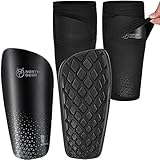
- SHIN GUARDS WITH OPTIMIZED INSERT POCKET - NO MORE SLIPPING OUT: Did you have a situation where the shin guards slipped out during a game? This is a common problem with shin guards, but now we find a new solution. The included sleeves not only have a slide-in compartment for the shin guards to go into, but also have an extra "lid" on top so that help the shin guards stay in place and don't fall out the top.
- BREATHABLE MATERIAL: The thickly padded inside with the small elastic "cushions" against the impacts and guarantee optimal air permeability. The soccer shin guards also ensure sufficient air supply through the mesh fabric. The shin guards do not stick directly to the skin and sweat is better absorbed.
- RELIABLE QUALITY: The hard pad is thick and very durable. The molded left/right protective pad provides an ideal fit and contoured comfort. Thanks to the minimalist print and carbon texture on the surface, the shin guards look very elegant.
- FOR CHILDREN & ADULTS: This shin guard is comfortable to wear and provides the best possible protection during the game. The pad is available in 4 sizes and suitable for all soccer players.
- PURCHASE WITHOUT RISK - We attach great importance to the customer satisfaction and quality. If there is any problem with our soccer shin guards, we're happy to make it right always.

As an Amazon Associate, Exercise Daily earns from qualifying purchases. This post may contain affiliate links. Last updated: September 12, 2026
The Controversy Surrounding Soccer Shin Guards: Protection or Overrated Gear?
Few pieces of soccer equipment spark as much debate among gym-goers and athletes aged 20 to 34 as soccer shin guards. On the surface, shin guards appear to be a no-brainer safety tool, designed to protect one of the body’s most vulnerable areas from injury during play. However, this piece challenges the common perception: Are shin guards truly necessary, or have they become overrated? Should you buy the priciest ones you find on Amazon, such as the popular models with ASIN B09C232P2L, or can you do without?
Understanding the Purpose of Soccer Shin Guards
Soccer is a contact sport with frequent clashes, tackles, and accidental kicks aimed around the lower legs. The main purpose of shin guards is to absorb impact and prevent injuries like fractures, bruises, and lacerations. The American Academy of Pediatrics classifies soccer as a moderate-risk sport and recommends protective gear for players to reduce injury risk.
However, critics argue that shin guards provide a false sense of security, leading some players to take riskier moves that may result in injury elsewhere. There’s also debate on whether shin guards cause overheating or discomfort, ultimately hindering performance.
Evidence-Based Insights: What Does Science Say?
- Injury Reduction: A 2013 study published in the Journal of Sports Science and Medicine analyzed injury rates among youth soccer players. The study concluded that wearing shin guards significantly reduced the incidence of lower leg injuries, especially those caused by contact. This suggests shin guards fulfill their key function effectively.
- Performance Impact: A 2019 biomechanical study from the European Journal of Sport Science measured mobility and comfort levels with and without shin guards. The study found no significant decrease in player agility or speed when wearing well-fitted, modern shin guards. However, older or ill-fitting models were linked to discomfort and subtle performance reduction.
- Improper Use Risks: Research published in the British Journal of Sports Medicine highlighted how poorly selected or worn shin guards can lead to skin abrasions, restricted circulation, and even increased susceptibility to injury by shifting impact forces. This underscores the importance of choosing high-quality gear and fitting it properly.
Practical Buyer Checklist: What to Look For
Not all shin guards are created equal. Here’s a checklist gym-goers should consider when buying:
- Fit and Size: Guards should cover from just below the knee to above the ankle and feel snug without cutting off circulation.
- Material Quality: Look for impact-resistant plastics or carbon fiber shells with EVA foam padding. Lightweight materials reduce fatigue.
- Straps and Sleeves: Adjustable straps provide stability, but some prefer compression sleeves for comfort. Choose what suits your play style.
- Ventilation: Look for perforations or mesh-backed guards to minimize heat buildup and sweat discomfort.
- Certification: Whenever possible, pick guards that comply with safety standards from recognized bodies (e.g., FIFA guidelines).
- Weight: Lightweight is ideal to maintain speed and agility.
Common Mistakes to Avoid
- Buying Too Large or Too Small: Size matters. Too large reduces protection; too small causes discomfort.
- Ignoring Fit Checks: Always try them on before purchase if possible or rely on detailed size guides if buying online.
- Choosing Style Over Substance: A flashy design doesn’t guarantee protection—prioritize effectiveness.
- Not Replacing Old Guards: Over time, padding compresses and shells crack, reducing protection.
- Skipping Break-In Period: Wear them during practice before competitive play to adapt.
Who Should NOT Buy or Use Soccer Shin Guards?
While shin guards seem essential for most players, there are exceptions. If you are a casual, non-contact player who practices light drills or playing in a very casual environment, you may choose to play without shin guards, accepting a moderate risk of injury. Also, overly sensitive individuals with severe skin allergies to plastic or foam might find shin guards cause irritation or other skin problems.
Some gym-goers who use indoor training methods focusing more on conditioning rather than contact drills might delay purchasing shin guards until they engage in actual game scenarios. However, skipping this gear before engaging in full-contact soccer is risky and not advisable.
Essential Safety Tips for Using Soccer Shin Guards
- Don’t Skip the Socks: Always wear proper soccer socks over the shin guards to hold them in place and prevent chafing.
- Check Equipment Before Play: Inspect shin guards for cracks, worn padding, or broken straps before every session.
- Use Proper Installation: Make sure guards are positioned to cover the full shin and secured tightly but comfortably.
- Maintain Hygiene: Clean and air out guards to prevent bacterial or fungal infections.
- Avoid Sharing Gear: To cut down infection risks or misuse.
Conclusion: Are Soccer Shin Guards Worth It?
For young adults aged 20–34 who are serious about soccer—whether for gym-based fitness or competitive league play—the evidence overwhelmingly supports wearing properly fitted, high-quality shin guards. They provide meaningful protection against injuries without hampering performance when selected carefully.
That said, shin guards are not a cure-all. Ill-fitting or worn-out guards can introduce new problems, and casual players with minimal contact risk may experiment without them. In the end, the decision to invest in a shin guard model—like those with ASIN B09C232P2L—is a personal balance between risk tolerance, budget, and style preference.
Ready to protect your shins? Remember to use the buyer checklist above and avoid common pitfalls to maximize both safety and comfort on the field.
Eat daily, sleep daily, exercise daily.