Exercise Daily _ Home Soccer Conditioning Workouts For Beginners
Most beginners believe that soccer conditioning requires expensive equipment and a gym membership, but the truth is, you can achieve remarkable results right in your living room or backyard with little more than your body weight and determination. This misconception leads many to abandon their fitness goals prematurely, thinking they need to invest heavily to get fit for the game. However, effective home workouts can build endurance, strength, and agility, making you a better soccer player without ever setting foot in a gym. In this guide, we will explore various conditioning workouts tailored for beginners, emphasizing the importance of a well-rounded fitness approach.
Who This Is For
- Beginners looking to enhance their soccer skills without prior experience.
- Athletes who want to maintain fitness during the off-season.
- Busy adults seeking efficient workouts that fit into a tight schedule.
- Parents wanting to engage their children in a fun and active way.
- Individuals who may be overweight or recovering from an injury, looking for low-impact conditioning options.
Understanding Soccer Conditioning
As an Amazon Associate, Exercise Daily earns from qualifying purchases. This post may contain affiliate links. Last updated: May 23, 2026
Soccer conditioning is not just about running laps; it’s a multifaceted approach that includes cardiovascular fitness, strength training, agility drills, and flexibility exercises. Each of these components plays a crucial role in preparing players for the dynamic nature of soccer, where quick bursts of speed, agility, and endurance are essential. For instance, while endurance allows you to last through the game, strength helps you win physical battles against opponents, and flexibility can prevent injuries. Understanding these components is vital for any beginner looking to improve their game.
What Most People Get Wrong
One of the biggest mistakes aspiring soccer players make is focusing solely on cardio. While endurance is important, neglecting strength and agility can lead to imbalances that hinder performance. Many also believe that they need to spend hours training daily; however, effective workouts can be completed in 30 minutes or less when done correctly. Additionally, skipping proper warm-ups and cool-downs can lead to injuries, which is a common pitfall for beginners. A well-structured routine that incorporates all aspects of conditioning will yield the best results.
The Importance of Strength Training
Strength training is vital for soccer players. It enhances your ability to shield the ball, maintain balance, and execute powerful shots. A study published in the Journal of Sports Science found that strength training significantly improves performance in soccer players, particularly in terms of sprinting speed and jumping ability (Hoff et al., 2002). You don’t need heavy weights; bodyweight exercises can be just as effective for building foundational strength. For example, exercises like push-ups and squats not only build muscle but also improve overall body coordination, which is crucial for soccer.
Cardio Isn’t Everything
While running is a key component of soccer, it’s essential to incorporate varied forms of cardiovascular training. Interval training, for instance, mimics the stop-and-start nature of a soccer match and is more effective than steady-state cardio. A study in Sports Medicine emphasizes that high-intensity interval training (HIIT) can improve overall athletic performance (Buchheit & Laursen, 2013). Engaging in HIIT workouts, which alternate between high-intensity bursts and lower-intensity recovery periods, can enhance your stamina and speed on the field, making you a more versatile player.
Why This Actually Works
Home soccer conditioning workouts utilize functional movements that translate directly to on-field performance. By incorporating drills that focus on agility, strength, and endurance, you create a holistic training environment. For example, plyometric exercises not only build strength but also improve your explosive power, making you faster on the pitch. These workouts help develop fast-twitch muscle fibers, which are essential for sprinting and quick changes of direction. Additionally, the convenience of home workouts allows for consistent training, which is crucial for progress.
Practical Home Conditioning Exercises
Here are some effective exercises that can be done at home:
- Bodyweight Squats: Great for building leg strength. Aim for 3 sets of 12-15 reps. Ensure your knees do not extend beyond your toes to protect your joints.
- Burpees: A full-body workout that enhances cardiovascular fitness. Start with 3 sets of 8-10 reps, focusing on maintaining proper form throughout.
- Lateral Bounds: Excellent for improving lateral movement and agility. Perform 3 sets of 10 bounds per side, emphasizing explosive side-to-side movements.
- Plank Variations: Strengthens the core, which is crucial for balance. Hold for 30-60 seconds, repeat 3 times. Consider variations like side planks to engage different muscle groups.
- High Knees: Boosts cardiovascular endurance and mimics the running motion in soccer. Do this for 30 seconds, rest, and repeat 4 times, focusing on quick foot movements.
Incorporating these exercises into a weekly routine can lead to significant improvements in your soccer performance. Aim for at least three conditioning sessions per week, mixing these exercises in a circuit format for maximum efficiency. For instance, you could perform these exercises in a circuit, completing one set of each exercise before repeating the circuit multiple times. This approach keeps your heart rate up and maximizes your workout’s intensity.
Sample Weekly Conditioning Plan
Here’s a simple plan to help you get started:
- Day 1: Strength Focus – Bodyweight squats, push-ups, and planks. Focus on form and progressively increase reps.
- Day 2: Cardio Focus – HIIT with burpees, high knees, and lateral bounds. Incorporate timed intervals to challenge yourself.
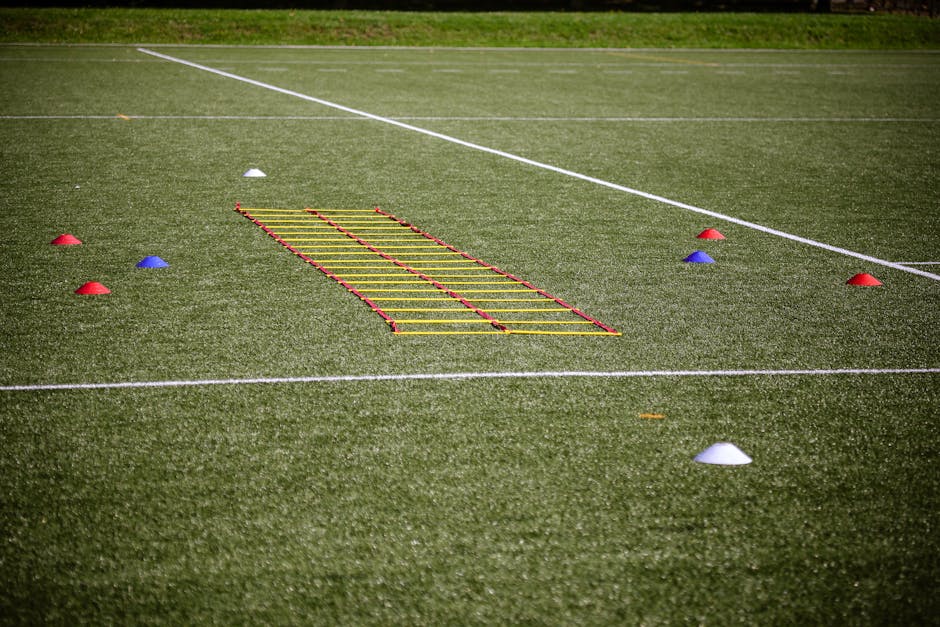
- Day 3: Agility Focus – Ladder drills and cone sprints. Use household items like tape to create a ladder on the ground.
- Day 4: Rest or light activity like yoga or stretching. This aids recovery and prevents burnout.
- Day 5: Full Body – Combine exercises from all previous days, focusing on endurance and strength.
- Day 6: Endurance – Longer steady-state cardio, like jogging or cycling. Aim for 20-30 minutes of continuous movement.
- Day 7: Rest and recovery. Consider light stretching or a leisurely walk to promote blood flow.
Frequently Asked Questions
How often should I do these workouts?
For beginners, aim for 3 to 4 times a week. This allows your body to adapt while still providing enough stimulus for improvement. As you progress, you can increase the frequency or intensity of your workouts.
Do I need any special equipment?
No special equipment is necessary. Most exercises can be performed using just your body weight. However, a yoga mat can provide comfort during floor exercises, and resistance bands can be added later for additional challenges as you progress.
What’s the best way to warm up before workouts?
A good warm-up includes dynamic stretches such as leg swings, arm circles, and light jogging for 5-10 minutes to increase your heart rate and prepare your muscles. This will enhance blood flow and flexibility, reducing the risk of injury.
Conclusion
Home soccer conditioning workouts for beginners are a practical and effective way to enhance your skills without the need for a gym. By focusing on a balanced routine that includes strength, agility, and endurance, you can improve your performance on the field significantly. Remember, consistency is key; stick to your routine, and don’t shy away from challenging yourself. The journey to becoming a better soccer player starts at home, and with the right mindset and workouts, you can achieve your goals. Explore more exercise tips and keep pushing your limits!
- References
- Hoff, J., et al. (2002).
- Buchheit, M., & Laursen, P. B. (2013).
- The importance of strength training in soccer.
- World Health Organization (WHO) on physical activity.
Eat daily, sleep daily, exercise daily.