Exercise Daily _ Postpartum Ab Exercises
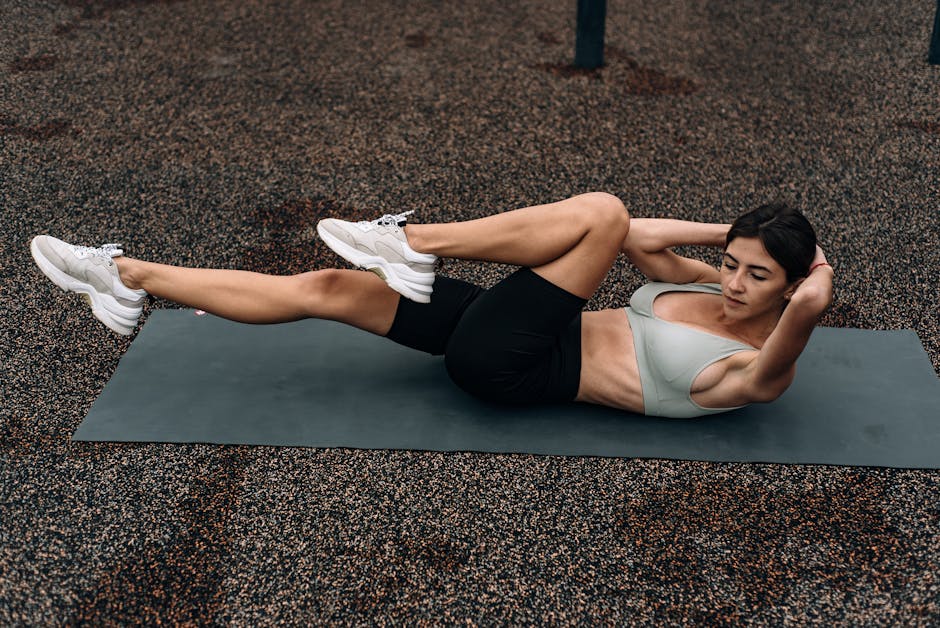
Many believe that traditional crunches and sit-ups are the best ways to regain postpartum abdominal strength, but this misconception can lead to more harm than good. The truth is that engaging in these high-impact movements too soon can exacerbate diastasis recti, a common condition affecting new mothers where the abdominal muscles separate. Instead of reverting to old-school ab workouts, it’s crucial to adopt a strategy that emphasizes healing and gradual strengthening. Understanding the unique challenges and changes your body has gone through during pregnancy and childbirth can help in selecting the right exercises that promote recovery and strength.
Who This Is For
- New mothers seeking to safely regain core strength.
- Women recovering from diastasis recti or other postpartum issues.
- Busy parents looking for efficient ab workouts that fit into their schedules.
- Athletes wanting to return to their sport with a strong, stable core.
- Those who have been cleared for exercise but need guidance on postpartum fitness.
What Most People Get Wrong
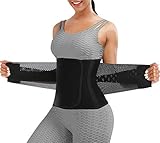
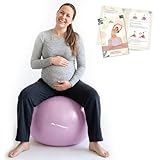


As an Amazon Associate, Exercise Daily earns from qualifying purchases. This post may contain affiliate links. Last updated: October 22, 2026
One of the most prevalent mistakes new mothers make is jumping straight into high-intensity workouts or crunches without understanding their body’s current state. Many fitness programs fail to recognize the importance of rehabilitating the core muscles post-pregnancy. A significant number of women experience pelvic floor dysfunction or abdominal separation, yet these concerns often go unaddressed in traditional fitness advice.
Moreover, the idea that you need to “work off the baby weight” as soon as possible puts undue pressure on mothers. Research shows that the body requires time to heal, and rushing back into intense training can lead to injuries and hinder recovery (Matz et al., 2019). Instead, the focus should be on gradual progression and functional movements that build a solid foundation. It’s essential to prioritize the recovery of the pelvic floor and abdominal muscles to ensure a safe return to fitness.
Why This Actually Works
The approach to postpartum ab exercises should be centered on stability, strength, and functionality. This methodology is supported by numerous studies indicating that core rehabilitation can significantly enhance recovery and improve overall strength (McCaffrey et al., 2020). By engaging in low-impact, controlled movements, women can rebuild their core strength without risking injury. This not only fosters physical recovery but also contributes to mental well-being, as establishing a consistent exercise routine can boost confidence and mood.
Here are some effective postpartum ab exercises that can be integrated into your routine:
1. Diaphragmatic Breathing
This exercise helps reconnect the breath with the core, promoting relaxation and reducing tension in the abdominal muscles. It serves as an essential starting point for postpartum recovery, as it encourages proper alignment and engages the diaphragm, which plays a crucial role in core stability.
- Lie on your back with your knees bent and feet flat on the floor.
- Place one hand on your chest and the other on your belly.
- Inhale deeply through your nose, allowing your belly to rise while keeping your chest still.
- Exhale through your mouth, allowing your belly to fall.
- Repeat for 5-10 minutes, focusing on slow, controlled breathing.
2. Pelvic Tilts
This movement engages the deep core muscles and helps to relieve lower back pain, which is common among new mothers due to the physical demands of caring for a newborn. Pelvic tilts not only strengthen the abdominal muscles but also improve pelvic alignment, which is vital for overall stability.
- Start in the same position as diaphragmatic breathing.
- Gently flatten your lower back against the floor by tilting your pelvis upward.
- Hold for a few seconds and then release back to the starting position.
- Repeat 10-15 times, focusing on controlled movements.
3. Modified Plank
Building core strength requires stability. The modified plank is a great way to start and offers a foundational exercise that activates multiple muscle groups, including the core, shoulders, and glutes. This exercise can significantly enhance overall core stability, which is crucial for everyday movements.
- Position yourself on your hands and knees, ensuring your wrists are beneath your shoulders.
- Engage your core and extend one leg back at a time while keeping your hips level.
- Hold for 15-30 seconds, gradually increasing the duration as your strength improves.
4. Bridge Exercise
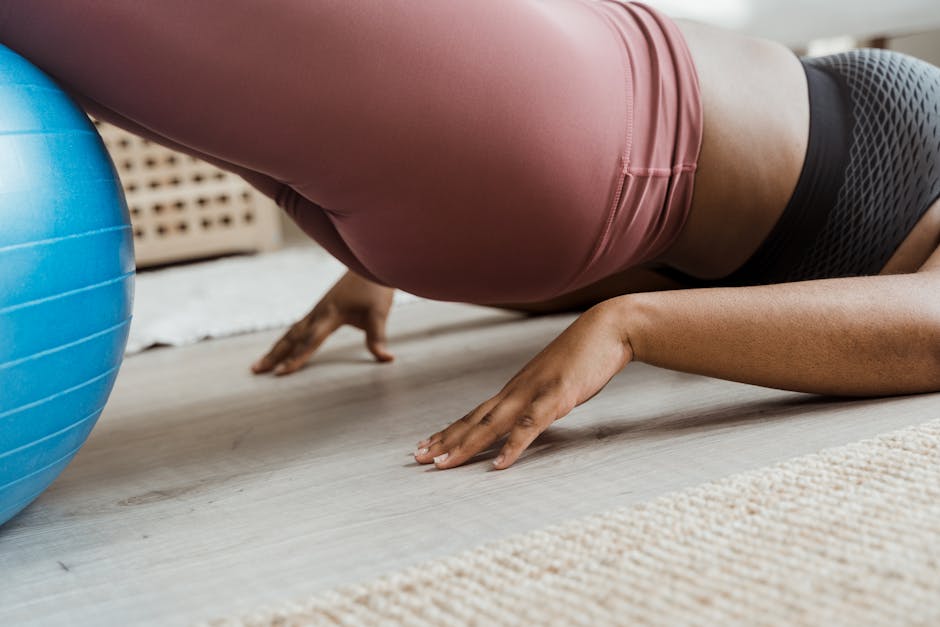
This exercise strengthens the glutes and lower back while engaging the core. It is particularly beneficial for postpartum recovery as it helps counteract the effects of prolonged sitting, which many new mothers experience. The bridge also enhances pelvic stability and can alleviate lower back discomfort.
- Lie on your back with your knees bent and feet hip-width apart.
- Press through your heels to lift your hips towards the ceiling.
- Hold for a few seconds at the top, squeezing your glutes, then lower back down.
- Repeat for 10-15 repetitions.
5. Side-Lying Leg Lifts
This movement targets the obliques and helps with lateral stability. Strengthening the obliques is essential for overall core function and can aid in better posture, which is particularly important for new mothers who often find themselves in compromised positions while caring for their infants.
- Lie on your side with your legs stacked and straight.
- Lift your top leg while keeping it straight, engaging your core.
- Lower it back down without letting it touch the bottom leg.
- Repeat 10-15 times on each side.
These exercises emphasize core stability and controlled movements, which are essential for a postpartum recovery journey. They not only strengthen the abdominal muscles but also promote better posture, which is crucial for new mothers who often carry their babies and engage in repetitive lifting motions. Additionally, incorporating these exercises into a daily routine can help alleviate discomfort and promote a sense of well-being.
Frequently Asked Questions
1. When can I start postpartum ab exercises?
Most healthcare providers recommend waiting at least 6-8 weeks after childbirth before starting any exercise routine. However, always check with your doctor to ensure it’s safe to begin workouts based on your recovery. Listening to your body is critical; if you experience pain or discomfort, it may be necessary to adjust your approach or consult a healthcare professional.
2. What if I have diastasis recti?
If you suspect you have diastasis recti, consult a physical therapist specializing in postpartum recovery. They can guide you through safe exercises that promote healing and strengthen your core without exacerbating the condition. It’s important to avoid traditional crunches and sit-ups, which can worsen diastasis recti. Instead, focus on exercises that promote core engagement and stability while protecting the abdominal wall.
3. How long will it take to see results from postpartum ab exercises?
Results vary depending on individual circumstances, including pre-pregnancy fitness level, diet, and consistency in performing the exercises. Generally, you can expect to see improvements in strength and stability within a few weeks of consistent practice. It’s essential to track your progress and celebrate small victories along the way, as this can help maintain motivation and commitment to your fitness journey.
By focusing on these gentle yet effective movements, new mothers can reclaim their core strength while ensuring a safe recovery. Remember, the goal is not just to look fit but to feel empowered and capable in your postpartum body. It’s about building a foundation that supports not only physical strength but also mental resilience.
Conclusion
Postpartum ab exercises are best approached with care and understanding. By debunking myths and focusing on recovery, new mothers can build strength in a way that respects their bodies’ needs. Emphasizing gradual progression and functional movements will set the stage for a strong core and improved overall wellness. Each small step in your postpartum fitness journey contributes to a larger picture of health and well-being.
For more insights into fitness and nutrition, explore our other categories on exercise, nutrition, and wellness.
- References
- Matz, M. et al. (2019). Postpartum exercise and recovery. Journal of Women’s Health.
- McCaffrey, R. et al. (2020). Core rehabilitation in postpartum women. International Journal of Sports Physical Therapy.
Eat daily, sleep daily, exercise daily.
These are for informational purposes only. Consult your doctor and do your own research before use.