
High Protein Breakfast Ideas For Athletes | Exercise Daily
Many athletes mistakenly believe that a high carbohydrate breakfast is the key to peak performance, but in reality, a high protein breakfast can provide the essential nutrients needed for muscle recovery and growth. Protein is crucial for athletes as it helps repair and build muscle tissue, supports immune function, and sustains energy levels throughout the day. This article dives into high protein breakfast ideas specifically tailored for athletes, focusing on how you can optimize your morning meals for better performance and recovery. For more help, see our exercise training guides.
Who This Is For
- Athletes looking to improve their performance and recovery.
- Busy adults who need quick and nutritious breakfast options.
- Parents preparing meals for active children.
- Weight-conscious individuals aiming for muscle gain.
- Fitness enthusiasts wanting to enhance their morning routine.
What Most People Get Wrong
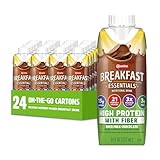
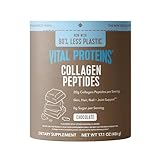


As an Amazon Associate, Exercise Daily earns from qualifying purchases. This post may contain affiliate links. Last updated: September 24, 2026
One common misconception is that all protein sources are created equal. Many people rely heavily on processed protein bars or shakes, thinking they are a sufficient substitute for whole foods. While convenient, these options often contain added sugars and preservatives that can undermine your health goals. Additionally, some athletes overlook the importance of variety in their protein sources, which can lead to nutrient deficiencies over time. Whole food sources provide not only protein but also essential vitamins, minerals, and antioxidants that are vital for athletic performance and overall health. For more help, see our exercise training guides.
Another mistake is skipping breakfast altogether, believing that fasting will help with weight management. However, skipping meals can lead to energy crashes, decreased performance, and increased cravings later in the day. This can create a vicious cycle of overeating unhealthy foods later, counteracting any potential benefits of fasting. Prioritizing a high protein breakfast can set a positive tone for the rest of your meals, ensuring that you start your day with the energy and nutrients needed for optimum performance. For more help, see our fitness performance tips.
Why This Actually Works
High protein breakfasts offer numerous benefits for athletes. Research shows that consuming protein in the morning can enhance muscle protein synthesis, which is vital for muscle repair and growth (Phillips et al., 2016). A protein-rich breakfast also helps regulate appetite, keeping you full longer and reducing the likelihood of unhealthy snacking later in the day. This is particularly important for athletes who need sustained energy throughout their training sessions and competitions.
Moreover, protein supports the production of hormones that are essential for muscle recovery, such as insulin and growth hormone. These hormones not only help in muscle repair but also play a significant role in energy metabolism. By starting your day with a high protein meal, you’re not just fueling your body for immediate energy; you’re also laying the groundwork for long-term athletic success. In addition, a high protein breakfast can lead to improved cognitive function, which is crucial for athletes who need to maintain focus and concentration during training and competition.
Mistakes to Avoid
When planning your high protein breakfast, keep these common mistakes in mind:
- Relying solely on one protein source: Incorporate a variety of protein sources such as eggs, Greek yogurt, nuts, and legumes to ensure a balanced intake of amino acids. Each protein source offers different benefits and amino acid profiles, which can enhance muscle recovery and overall health.
- Ignoring other macronutrients: While protein is essential, don’t forget to include healthy fats and carbohydrates for energy and overall health. Healthy fats support hormone production, while complex carbohydrates provide the necessary energy to fuel your workouts.
- Overlooking portion sizes: Be mindful of portion sizes to match your specific energy needs, especially during training seasons. Understanding your caloric needs can help you tailor your breakfast to support your training intensity and recovery.
- Skipping hydration: Drink water or include hydrating foods in your breakfast, as hydration is critical for performance. Dehydration can lead to fatigue, decreased endurance, and impaired cognitive function, all of which can hinder athletic performance.
High Protein Breakfast Ideas
Here are some practical, high protein breakfast ideas that can easily fit into an athlete’s routine:
| Breakfast Idea | Protein Source | Approximate Protein Content | Preparation Time |
|---|---|---|---|
| Scrambled Eggs with Spinach | Eggs | 18g per 3 eggs | 10 minutes |
| Greek Yogurt Parfait | Greek Yogurt | 20g per cup | 5 minutes |
| Protein Smoothie | Protein Powder | 25g per serving | 5 minutes |
| Quinoa Breakfast Bowl | Quinoa | 8g per cup | 15 minutes |
| Overnight Oats with Chia Seeds | Oats & Chia Seeds | 12g per serving | 5 minutes (prep night before) |
1. Scrambled Eggs with Spinach
Scrambled eggs are a classic high protein breakfast option. Simply whisk together a few eggs, add fresh spinach, and cook in a non-stick skillet. This meal is nutrient-dense and takes only about 10 minutes to prepare. Eggs are not only high in protein but also rich in essential nutrients like vitamin D and choline, which are important for brain health and muscle function.
2. Greek Yogurt Parfait
Layer Greek yogurt with your favorite fruits and a sprinkle of granola for a delicious parfait. This meal is not only high in protein but also provides probiotics for gut health. The combination of protein, healthy fats from nuts, and fiber from fruits and granola makes it a balanced breakfast that can keep you full and energized throughout the morning.
3. Protein Smoothie
Blend together protein powder, a banana, almond milk, and a scoop of peanut butter for a quick breakfast that can be taken on the go. This smoothie packs a punch with protein and healthy fats. You can also add spinach or kale for an extra nutrient boost without significantly altering the flavor. Smoothies are versatile and can be customized to suit your taste preferences and nutritional needs.
4. Quinoa Breakfast Bowl
Cook quinoa and top it with almond milk, nuts, and berries for a nutritious breakfast bowl. Quinoa is a complete protein, making it an excellent choice for athletes. It’s also high in fiber, which aids digestion and helps maintain steady energy levels. You can experiment with different toppings such as honey, cinnamon, or even a dollop of nut butter to enhance the flavor and nutritional profile of your bowl.
5. Overnight Oats with Chia Seeds
Mix oats with milk or yogurt and chia seeds the night before. Let it sit overnight in the fridge, and in the morning, add fruits and nuts for added flavor and nutrition. Overnight oats are not only convenient but also allow for a variety of flavor combinations, such as adding cocoa powder, maple syrup, or different types of fruits and nuts. This meal is perfect for busy mornings, ensuring you have a nutritious breakfast ready to go.
Beginner Tips
- Start with simple recipes that require minimal cooking skills. Focus on meals that can be prepared quickly and easily, allowing you to build confidence in the kitchen.
- Plan your meals ahead of time to avoid last-minute unhealthy choices. Meal prepping can save you time and help you stick to your nutrition goals.
- Experiment with different protein sources to find what you enjoy the most. Trying new foods can keep your breakfasts exciting and help you discover new favorites.
Advanced Tips
- Incorporate supplements like BCAAs if you have specific recovery goals. BCAAs can help reduce muscle soreness and enhance recovery when taken before or after workouts.
- Track your protein intake using apps to ensure you meet your daily requirements. Monitoring your intake can help you make informed decisions about your nutrition.
- Explore meal prep options to save time during the week. Preparing larger batches of high protein foods can make it easier to assemble quick breakfasts during busy mornings.
Frequently Asked Questions
1. How much protein do I need for breakfast?
Most athletes should aim for at least 20-30 grams of protein at breakfast to support muscle recovery and energy levels. This amount can vary based on your body weight, training intensity, and overall dietary goals.
2. Can I have a high protein breakfast if I’m vegetarian?
Absolutely! Sources like eggs, Greek yogurt, tofu, and legumes are excellent vegetarian protein options. Additionally, plant-based protein powders made from peas, rice, or hemp can help you meet your protein needs.
3. Is it okay to have protein shakes for breakfast?
Yes, protein shakes can be a convenient and effective way to increase your protein intake, especially when combined with other nutrient-dense foods. Consider adding fruits, vegetables, or healthy fats to your shake for a more balanced meal.
4. What should I avoid in a high protein breakfast?
Avoid overly processed foods high in sugar and unhealthy fats, as they can counteract your fitness goals. Instead, focus on whole food sources that provide a balance of nutrients.
5. How can I make my breakfast more filling?
Add healthy fats such as avocado or nuts, and include fiber-rich foods like fruits or whole grains to keep you satisfied longer. This combination can help stabilize blood sugar levels and prevent energy crashes.
- References
By incorporating these high protein breakfast ideas into your routine, you can support your athletic performance and recovery. Remember to balance your meals with other macronutrients and stay hydrated for optimal results. Invest in your morning routine today to unlock your full athletic potential!
Eat daily, sleep daily, exercise daily.