Best Reaction Drills For Sports Performance | Exercise Daily
Many athletes mistakenly believe that only speed and strength determine their sports performance. While these factors are crucial, reaction time plays a pivotal role in an athlete’s ability to perform under pressure. The best reaction drills for sports performance can significantly enhance your responsiveness, decision-making, and overall game effectiveness. Whether you’re a beginner or a seasoned competitor, understanding and practicing these drills can elevate your skills to new heights. For more help, see our exercise training guides.
Who This Is For
- Athletes looking to improve their game performance.
- Coaches seeking effective drills for their teams.
- Recreational sports players wanting to enhance their skills.
- Fitness enthusiasts aiming to add variety to their workouts.
- Parents wanting to help their children develop sports skills.
What Most People Get Wrong
One common misconception is that reaction time cannot be trained. Many believe it is purely genetic or based on innate talent. This belief can lead to complacency, as athletes may overlook the importance of specific drills aimed at improving their reaction speed. In reality, reaction time is a skill that can be developed with practice, much like strength or endurance. Incorporating drills that challenge your cognitive functions and physical responses can lead to significant improvements. For more help, see our exercise training guides.
Furthermore, some athletes may rely too heavily on their physical training, neglecting the mental aspects of sports performance. Reaction time is not just about physical speed; it involves cognitive processing, decision-making, and even emotional control. By understanding that reaction time can be improved, athletes can better prepare themselves for the unpredictable nature of sports. For more help, see our exercise training guides.
Why This Actually Works
Reaction drills work because they engage the central nervous system and improve neural pathways responsible for quick decision-making and physical responses. According to a study published in the Journal of Sports Sciences, athletes who regularly practiced reaction drills exhibited a marked improvement in their ability to respond to unpredictable game situations. These drills train the brain to process stimuli faster, resulting in quicker reactions during competitions.
Moreover, reaction drills are designed to simulate real-game scenarios where athletes must react to various stimuli, such as the movement of opponents, the trajectory of a ball, or the sounds of a referee’s whistle. This practical application enhances the athlete’s ability to make split-second decisions, which is crucial in high-pressure situations. The combination of physical and cognitive training leads to a more well-rounded athlete, capable of performing optimally in their sport.
Mistakes to Avoid


As an Amazon Associate, Exercise Daily earns from qualifying purchases. This post may contain affiliate links. Last updated: October 16, 2026
- Neglecting warm-ups: Always warm up before starting any reaction drills to prevent injury. A proper warm-up increases blood flow to the muscles and prepares your body for the demands of high-intensity drills.
- Overtraining: Allow for recovery days to prevent burnout and injuries. Overtraining can lead to fatigue and decreased performance, counteracting the benefits of your training.
- Lack of focus: Ensure you are mentally engaged during drills; distracted practice yields poor results. Being present in the moment can enhance the effectiveness of your training sessions.
- Ignoring feedback: Seek feedback from coaches or peers to refine your technique. Constructive criticism can help you identify areas for improvement that you may not notice on your own.
Best Reaction Drills
Here are some effective drills you can incorporate into your training regimen:
| Exercise | Target Skill | Sets | Reps | Difficulty | Safety Cue |
|---|---|---|---|---|---|
| Ball Drop Drill | Hand-eye coordination | 3 | 10 | Beginner | Stay alert and focused on the ball. |
| Mirror Drill | Agility | 4 | 30 seconds | Intermediate | Maintain a safe distance from your partner. |
| Reaction Ball Drill | Speed and reaction time | 5 | 10 | Advanced | Use a padded surface to avoid injuries. |
| Shadow Drill | Footwork and agility | 4 | 1 minute | Beginner | Ensure you have enough space to move freely. |
| Quick Reaction Sprints | Speed and acceleration | 5 | 5 | Intermediate | Keep a clear path to avoid collisions. |
Beginner Tips
- Start with basic drills and gradually increase complexity. This approach allows your body and mind to adapt to the demands of more advanced drills.
- Focus on form and technique rather than speed. Proper technique is essential for maximizing the effectiveness of your training and minimizing the risk of injury.
- Incorporate reaction drills into your regular workout routine. Consistency is key to improvement, and making these drills a habit will lead to better results over time.
Advanced Tips
- Incorporate decision-making elements into your drills, such as choosing a direction based on a signal. This adds a cognitive layer to your training, simulating the pressures of real-game situations.
- Use varied stimuli, such as colored balls or sounds, to challenge your reactions. This variability keeps your training engaging and forces your brain to adapt to different scenarios.
- Track your progress over time to measure improvements in your reaction time. Keeping a journal or using apps can help you monitor your development and stay motivated.
Real-World Use Cases
Consider a soccer player who practices the Ball Drop Drill. As they improve their hand-eye coordination, they can better anticipate and react to the ball’s trajectory during matches. This skill is crucial when trying to intercept passes or make quick shots on goal. Similarly, a basketball player using the Reaction Ball Drill can enhance their ability to catch passes and shoot accurately under pressure. The ability to react quickly to the movement of defenders and teammates can make a significant difference in the outcome of a game.
Moreover, athletes in sports like tennis can benefit from these drills as well. For instance, a tennis player practicing the Shadow Drill can improve their footwork and agility, allowing them to move swiftly across the court in response to their opponent’s shots. These drills not only improve individual performance but also contribute to overall team success, as athletes who react quickly can execute plays more effectively and support their teammates better.
Extra Value: Quick Reaction Drill Routine
Here’s a mini-routine you can do in just 15 minutes:
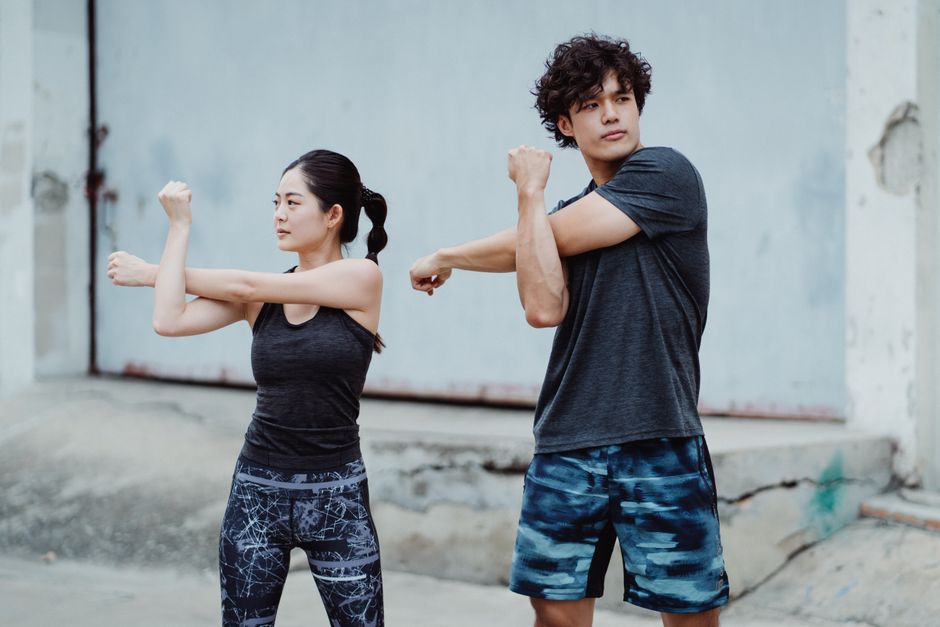
- Warm-up (5 minutes): Dynamic stretches and light jogging. Focus on movements that mimic the actions you’ll perform during drills, such as lateral shuffles and arm swings.
- Ball Drop Drill (3 minutes): Partner drops a ball; react and catch. Ensure your partner varies the height and angle of the drop to keep the drill challenging.
- Reaction Ball Drill (5 minutes): Use a reaction ball; catch as it bounces unpredictably. This will help improve your reflexes and hand-eye coordination in a fun and engaging way.
- Cool down (2 minutes): Stretch and relax your muscles. Incorporate static stretches focusing on the arms, legs, and back to promote recovery.
Frequently Asked Questions
1. How often should I practice reaction drills?
Practicing 2-3 times a week is effective for improvement without causing burnout. This frequency allows your body to adapt and recover while consistently enhancing your reaction time.
2. Can reaction drills help with sports injuries?
While they do not prevent injuries directly, improved reaction times can help you respond better to avoid potential injuries. Being able to react quickly can help you evade collisions or awkward movements that might lead to injury.
3. Are there specific drills for different sports?
Yes, certain drills can be tailored to the specific demands of each sport, such as agility drills for soccer or quick footwork for basketball. Tailoring drills to your sport ensures that you are practicing skills that will directly enhance your performance in competitions.
4. How do I know if I’m improving?
Track your performance over time, noting improvements in speed and accuracy in drills. Consider timing yourself during specific drills or keeping a log of your best performances to see your progress.
5. Can I do these drills alone?
Many drills can be performed solo, though some are more effective with a partner. For instance, while the Ball Drop Drill benefits from a partner’s assistance, you can adapt other drills to work independently.
References
- Journal of Sports Sciences
- American College of Sports Medicine
- National Institutes of Health
- Centers for Disease Control and Prevention
Incorporating the best reaction drills for sports performance into your routine can lead to significant improvements in your athletic abilities. Start small, stay consistent, and watch your performance soar. Eat daily, sleep daily, exercise daily.
These are for informational purposes only. Consult your doctor and do your own research before use.