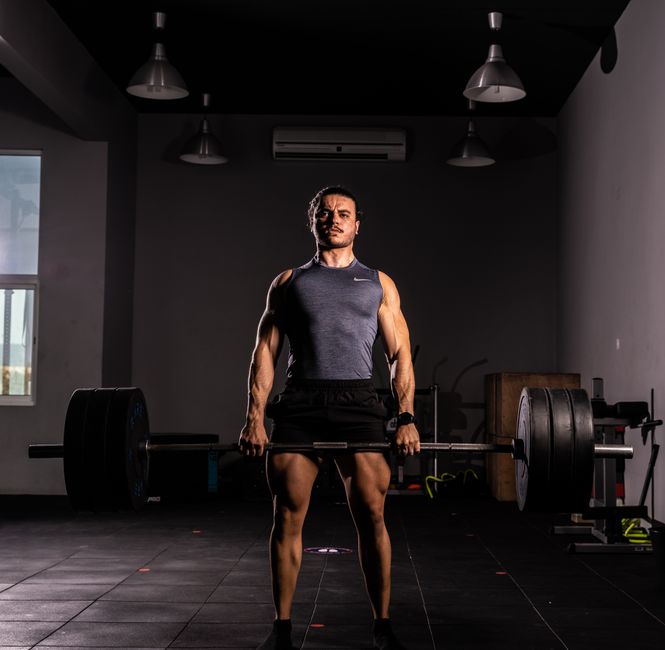
Soccer Strength Training Without Weights | Exercise Daily
Many believe that lifting weights is the only way to build strength for soccer, but that’s simply not true. Soccer strength training without weights can be just as effective, if not more so, particularly for developing functional strength, agility, and endurance. The focus keyword here is “soccer strength training without weights,” and it’s crucial to understand that bodyweight exercises can offer incredible benefits tailored to soccer performance. This article will explore various aspects of bodyweight training and provide you with a comprehensive guide to enhance your soccer performance without the need for weights. For more help, see our exercise training guides.
Who This Is For
- Beginners looking to improve their overall fitness without the intimidation of a gym.
- Athletes wanting to enhance their strength and agility specific to soccer.
- Busy adults who need efficient workouts that can be done anywhere.
- Parents seeking quick routines that can be done at home with minimal space.
- Recovering users aiming to regain strength safely post-injury while being cautious of their limitations.
What Most People Get Wrong
One prevalent misconception is that strength training requires heavy weights and machines. Many athletes overlook the efficacy of bodyweight exercises, thinking they won’t provide enough resistance to stimulate muscle growth. This belief can lead to missed opportunities for developing core strength, balance, and flexibility—essential components of soccer performance. The truth is that bodyweight training can generate significant resistance through variations in movement patterns, tempo, and intensity. For more help, see our exercise training guides.
Another common mistake is the lack of specificity in training. Soccer players need to focus on movements that mimic the actions they perform on the field. Generic workouts often fail to address the unique demands of the sport, such as sprinting, jumping, and quick directional changes. For example, an athlete who only focuses on generic strength exercises may not develop the explosive power needed for a powerful shot or the agility required to maneuver past defenders. For more help, see our exercise training guides.
Why This Actually Works
Bodyweight exercises promote strength gains by leveraging your own body mass, which can be tailored to mimic the dynamic movements of soccer. These exercises not only enhance muscle strength but also improve coordination, stability, and mobility. Furthermore, they can be performed anywhere, making them highly accessible. This flexibility allows athletes to integrate strength training into their routine without the need for specialized equipment or facilities.
Research shows that bodyweight training can be as effective as traditional weight training for building strength and muscle mass, especially for those who are new to fitness (ACSM, 2020). Additionally, bodyweight exercises often engage multiple muscle groups, providing a functional strength that translates well to athletic performance (NSCA, 2019). For soccer players, this means developing the muscles necessary for sprinting, jumping, and maintaining balance while dribbling or tackling.
Mistakes to Avoid


As an Amazon Associate, Exercise Daily earns from qualifying purchases. This post may contain affiliate links. Last updated: September 8, 2026
When engaging in soccer strength training without weights, here are some common pitfalls to avoid:
- Neglecting form: Poor form can lead to injury. Always prioritize technique over the number of repetitions. For example, during push-ups, ensure that your hands are placed shoulder-width apart and your body forms a straight line from head to heels.
- Skipping warm-ups: Proper warm-ups prepare your muscles and joints for exertion, reducing the risk of injury. A good warm-up should involve dynamic stretches and movements that increase your heart rate gradually.
- Overtraining: Bodyweight exercises can be intense. Ensure adequate recovery time to prevent fatigue and injuries. Balance your training by incorporating rest days and varying the intensity of your workouts.
- Ignoring progression: To continue making gains, gradually increase the intensity of your workouts by modifying exercises or increasing repetitions. For instance, once standard push-ups become easy, try elevating your feet or performing clapping push-ups for added challenge.
Effective Bodyweight Exercises for Soccer Strength
Here’s a table outlining some effective bodyweight exercises, their target muscles, recommended sets and reps, and safety cues:
| Exercise | Target Muscle | Sets | Reps | Difficulty | Safety Cue |
|---|---|---|---|---|---|
| Push-Ups | Chest, Triceps, Shoulders | 3 | 8-12 | Beginner | Keep your body in a straight line. |
| Bodyweight Squats | Quads, Hamstrings, Glutes | 3 | 10-15 | Beginner | Keep your knees behind your toes. |
| Plank | Core, Shoulders | 3 | 30-60 seconds | Beginner | Engage your core and avoid sagging hips. |
| Burpees | Full Body | 3 | 8-10 | Intermediate | Land softly to reduce impact. |
| Lunges | Quads, Hamstrings, Glutes | 3 | 10-12 each leg | Intermediate | Keep your torso upright. |
Beginner Tips
- Start with basic movements to build confidence and strength. Focus on exercises like squats and push-ups, which are foundational for further progress.
- Focus on mastering form before increasing intensity. A solid foundation in technique will ensure safer and more effective workouts.
- Incorporate mobility exercises to improve flexibility and reduce injury risk. Dynamic stretches such as leg swings and arm circles can enhance your performance and prepare your body for the demands of soccer.
Advanced Tips
- Experiment with explosive movements like jump squats to improve power. These movements are crucial for soccer players who need to generate quick bursts of speed.
- Incorporate isometric holds, such as wall sits, for increased endurance. Holding a position under tension for extended periods can help build the stamina required for long matches.
- Use intervals to challenge your cardiovascular system alongside strength training. For example, alternate between high-intensity bodyweight exercises and short rest periods to boost your aerobic capacity.
Creating a Routine
To structure an effective routine, consider the following steps:
- Choose 5-6 exercises from the table above, ensuring a mix that targets different muscle groups.
- Perform a warm-up for 5-10 minutes (e.g., dynamic stretches, light jogging) to prepare your muscles and joints.
- Execute each exercise in a circuit format, resting 30-60 seconds between exercises. This format keeps your heart rate elevated, maximizing calorie burn and conditioning.
- Complete the circuit 2-4 times depending on your fitness level. Beginners might start with two rounds, while more advanced athletes can aim for four.
- Finish with a cool-down and static stretching to aid recovery, focusing on the muscles you worked during the session.
Frequently Asked Questions
Can bodyweight exercises really build strength?
Yes, bodyweight exercises can effectively build strength, particularly when performed with proper form and progression. They challenge your muscles in unique ways, making them highly effective for functional fitness.
How often should I do these exercises?
For best results, aim for 2-3 strength training sessions per week, allowing rest days in between to recover. This frequency will help you avoid overtraining while still making progress.
What is the best warm-up before starting these exercises?
A good warm-up includes dynamic stretches like leg swings, arm circles, and light jogging to prepare your body for the workout. This increases blood flow to your muscles and reduces the risk of injury.
Can I do these exercises if I have an injury?
Always consult a healthcare professional before starting any new exercise regimen if you have an injury. Some bodyweight exercises may need to be modified or avoided depending on your specific condition.
Is it possible to combine these exercises with cardio?
Absolutely! Integrating cardio workouts with strength training can improve overall fitness and soccer performance. For instance, you could alternate between a set of bodyweight exercises and a short sprint.
How do I track my progress with bodyweight training?
You can track progress by noting the number of reps completed, increasing exercise difficulty, or reducing rest time between sets. Keeping a workout journal can help you stay accountable and motivated.
Extra Value: Quick Soccer Strength Training Routine
Here’s a quick routine you can do anywhere, suitable for busy schedules:
- Warm-up: 5 minutes of light jogging or dynamic stretches to prepare your body.
- Push-Ups: 3 sets of 10 reps to build upper body strength.
- Bodyweight Squats: 3 sets of 15 reps to strengthen your lower body.
- Plank: 3 sets of 30 seconds to enhance core stability.
- Burpees: 3 sets of 8 reps for a full-body workout that also boosts your heart rate.
- Cool down: 5 minutes of static stretching to promote flexibility and recovery.
Incorporating soccer strength training without weights into your routine is not only feasible but also beneficial for your performance on the field. By focusing on functional movements, you can develop the strength, agility, and endurance needed for soccer without ever stepping foot in a gym. This approach not only saves time and money but also allows you to train in a way that is more specific to the demands of the sport.
Eat daily, sleep daily, exercise daily.
- References
- American College of Sports Medicine (ACSM), 2020.
- National Strength and Conditioning Association (NSCA), 2019.
- PubMed Central, 2018.
- World Health Organization (WHO), 2021.