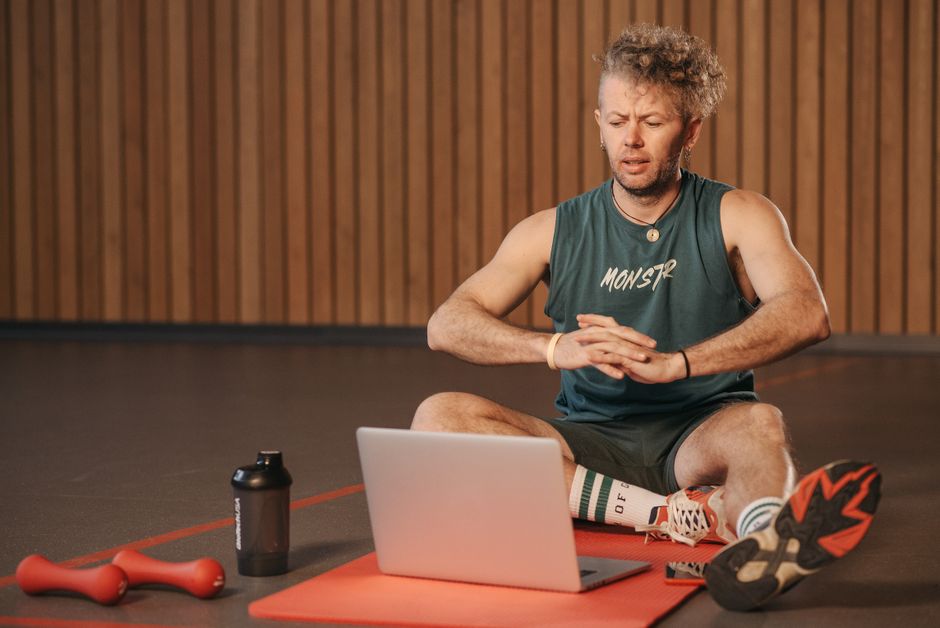
Compound Exercises For Beginners | Exercise Daily
Many beginners believe that isolation exercises are the best way to build strength and muscle, but in reality, compound exercises are far more effective for overall fitness. Compound exercises for beginners are essential not only for building strength but also for enhancing coordination and balance. By engaging multiple muscle groups simultaneously, these exercises promote functional fitness that translates into everyday activities. This article will explore the benefits of compound exercises, common misconceptions, practical examples, and tips for beginners to get the most out of their workouts. For more help, see our exercise training guides.
Who This Is For
- Beginners who are new to strength training and want to maximize their workout efficiency.
- Athletes looking to improve their performance through foundational strength.
- Busy adults seeking quick yet effective workouts that fit into tight schedules.
- Parents who need practical exercises that can be done at home with minimal equipment.
- Individuals recovering from injuries who want to regain strength safely.
What Most People Get Wrong
One of the most common misconceptions is that beginners should start with isolation exercises like bicep curls or tricep extensions. While these exercises have their place, they do not build the foundational strength necessary for overall fitness. Many people also underestimate the importance of form and technique when performing compound exercises, leading to injuries and ineffective workouts. It’s crucial to understand that compound exercises not only work multiple muscles at once but also improve your core stability and functional movement patterns. This foundational strength is vital for performing everyday activities, such as lifting objects, climbing stairs, or even playing sports. For more help, see our exercise training guides.
Why This Actually Works
Compound exercises, such as squats, deadlifts, and bench presses, engage several muscle groups and joints simultaneously. This engagement means that you can lift heavier weights and stimulate more muscle fibers, leading to greater strength gains and muscle growth. According to the American College of Sports Medicine (ACSM), compound movements are more efficient for building muscle mass and strength than isolation exercises, which can be particularly beneficial for beginners who may not have a lot of time to dedicate to their workouts. For more help, see our exercise training guides.
Additionally, compound exercises can enhance your metabolic rate, helping you burn more calories even after your workout is done. This is particularly advantageous for those looking to lose weight or improve overall body composition. A study published in the Journal of Strength and Conditioning Research found that resistance training incorporating compound movements significantly improved body composition among participants. This means that not only do you gain strength, but your body also becomes more efficient at burning fat.
Mistakes to Avoid



As an Amazon Associate, Exercise Daily earns from qualifying purchases. This post may contain affiliate links. Last updated: September 28, 2026
When starting with compound exercises, beginners often make several common mistakes:
- Poor Form: Prioritize learning the correct form before increasing weight. Poor form can lead to injuries and limit your progress. Utilizing mirrors or filming your workouts can help you assess your form.
- Skipping Warm-Ups: Always warm up before engaging in compound exercises to prepare your muscles and joints. Dynamic stretches and light cardio can increase blood flow and reduce the risk of injury.
- Neglecting Core Engagement: Many compound exercises require a strong core. Failing to engage your core can compromise your stability and increase the risk of injury. Practicing core exercises like planks can enhance your performance in compound lifts.
- Overtraining: Beginners should allow adequate recovery time between workouts to prevent burnout and injury. Overtraining can lead to fatigue, decreased performance, and even long-term injuries.
Practical Examples of Compound Exercises
Here are some effective compound exercises that are beginner-friendly:
| Exercise | Target Muscle | Sets | Reps | Difficulty | Safety Cue |
|---|---|---|---|---|---|
| Squats | Quads, Hamstrings, Glutes | 3 | 8-12 | Beginner | Keep your knees behind your toes. |
| Deadlifts | Hamstrings, Glutes, Lower Back | 3 | 8-10 | Beginner | Maintain a flat back throughout the lift. |
| Bench Press | Chest, Shoulders, Triceps | 3 | 8-10 | Beginner | Keep your feet flat on the ground and back arched slightly. |
| Pull-Ups | Back, Biceps | 3 | 5-8 | Intermediate | Use a controlled motion; don’t swing. |
| Push-Ups | Chest, Shoulders, Triceps | 3 | 10-15 | Beginner | Keep your core tight and body straight. |
Beginner Tips for Compound Exercises
- Start with Bodyweight: Begin with bodyweight variations of these exercises to master the form before adding weights. This will help you build a solid foundation and confidence in your movements.
- Use a Mirror: If possible, use a mirror to check your form while performing exercises. This visual feedback can help you make immediate adjustments.
- Progress Gradually: Increase weights only when you can perform the desired reps with good form. This gradual progression is key to avoiding injuries and ensuring long-term success.
- Incorporate Rest Days: Allow your muscles to recover by incorporating rest days into your routine. Recovery is just as important as the workouts themselves, as it enables muscle repair and growth.
Advanced Tips for Progression
Once you feel comfortable with the basic movements, consider the following advanced tips:
- Change the Tempo: Slow down the eccentric (lowering) phase of the movement to increase time under tension. This can enhance muscle growth and strength.
- Supersetting: Combine two compound exercises back-to-back for an intense workout. For example, performing squats followed immediately by bench presses can elevate your heart rate and maximize your workout efficiency.
- Vary Your Grip: Changing your grip can target different muscles and promote balanced development. For instance, using a wide grip on the bench press engages different parts of the chest compared to a narrow grip.
Frequently Asked Questions
1. How often should I do compound exercises?
Aim for 2-3 times per week, allowing at least one day of rest in between sessions to let your muscles recover. This frequency helps to build strength while preventing overuse injuries.
2. Can I do compound exercises at home?
Yes, many compound exercises can be performed at home using bodyweight or minimal equipment like dumbbells or resistance bands. With creativity, you can adapt exercises to fit your home environment.
3. Are compound exercises safe for beginners?
Absolutely, as long as you focus on proper form and start with manageable weights. Consider working with a trainer if you’re unsure. A professional can guide you to ensure safety and effectiveness.
4. How can I track my progress?
Keep a workout journal noting the weights used and reps completed. This will help you see improvements over time and maintain motivation. Tracking your progress can also highlight areas needing more focus.
5. Should I include isolation exercises?
While compound exercises should be your focus, adding isolation exercises can be beneficial for targeting specific muscle groups as you progress. For instance, isolation exercises can help correct muscle imbalances that may arise from compound lifts.
Extra Value: Simple Beginner Compound Routine
Here’s a simple beginner routine you can try. Perform this 2-3 times a week:
- Bodyweight Squats: 3 sets of 10 reps
- Push-Ups (knee or standard): 3 sets of 8-10 reps
- Dumbbell Deadlifts: 3 sets of 8 reps
- Plank: 3 sets, holding for 20-30 seconds
Always ensure to warm up before starting and cool down after your workout. This routine will help build a solid foundation with compound exercises. As you become more comfortable, feel free to increase the number of sets, reps, or weights used.
Conclusion
Incorporating compound exercises into your fitness routine is one of the best decisions you can make as a beginner. They not only save time but also provide substantial benefits in strength, coordination, and overall health. Remember to focus on form, progress gradually, and listen to your body. Whether you’re looking to lose weight, build muscle, or simply get fit, compound exercises are a powerful tool in your fitness arsenal. Start today and watch your strength grow! With consistency and dedication, you will see significant improvements in your physical capabilities and overall well-being.
- References
- American College of Sports Medicine
- Journal of Strength and Conditioning Research
- National Institutes of Health
- American College of Sports Medicine – Resource Library
Eat daily, sleep daily, exercise daily.