Why Does My Jump Rope Keep Twisting | Exercise Daily
Jump ropes are fantastic tools for cardio and coordination, but if yours keeps twisting, it’s not just a minor annoyance—it’s a sign of improper use or setup. Many people mistakenly believe that twisty ropes are simply a matter of poor quality or bad luck. In reality, understanding the mechanics of your jump rope and how to properly use it can eliminate that frustrating twisting and enhance your workout experience. Let’s explore the reasons behind a twisting jump rope and how to fix it effectively. For more help, see our exercise training guides.
Who This Is For
- Beginners looking to improve their jump rope technique.
- Athletes aiming to incorporate jump rope into their training regimen.
- Busy adults seeking an efficient cardio workout at home.
- Parents who want a quick way to stay active while managing family time.
- Fitness enthusiasts wanting to master advanced jump rope skills.
What Most People Get Wrong
One of the biggest misconceptions about jump ropes is that they are all the same. Many users assume that if a rope twists, it’s simply poorly made. In fact, several factors contribute to this issue, including the type of rope, the way it’s stored, and even the user’s technique. Understanding these elements can help you choose the right rope and use it effectively. For instance, different materials will behave differently during use; a rope made from PVC may have different twisting tendencies compared to a speed rope made from a lighter material. Additionally, the design of the handles and the way they interact with the rope can also play a significant role in preventing twists. For more help, see our exercise training guides.
Mistakes to Avoid
When it comes to using a jump rope, several common mistakes can lead to twisting. Here are a few to watch out for:
- Improper Length: If your jump rope is too long or too short, it can lead to twisting during use. Make sure to adjust the length according to your height. A rope that is not the right length may force you to jump awkwardly, increasing the chances of it twisting.
- Incorrect Grip: Holding the handles too tightly can cause the rope to twist. A relaxed grip allows for smoother rotation. Focus on maintaining a light grip to allow the rope to move freely.
- Inconsistent Speed: Jumping too fast or too slow can disrupt the rope’s rhythm, leading to twists. It’s best to find a comfortable pace. A consistent jumping rhythm will help maintain the natural flow of the rope.
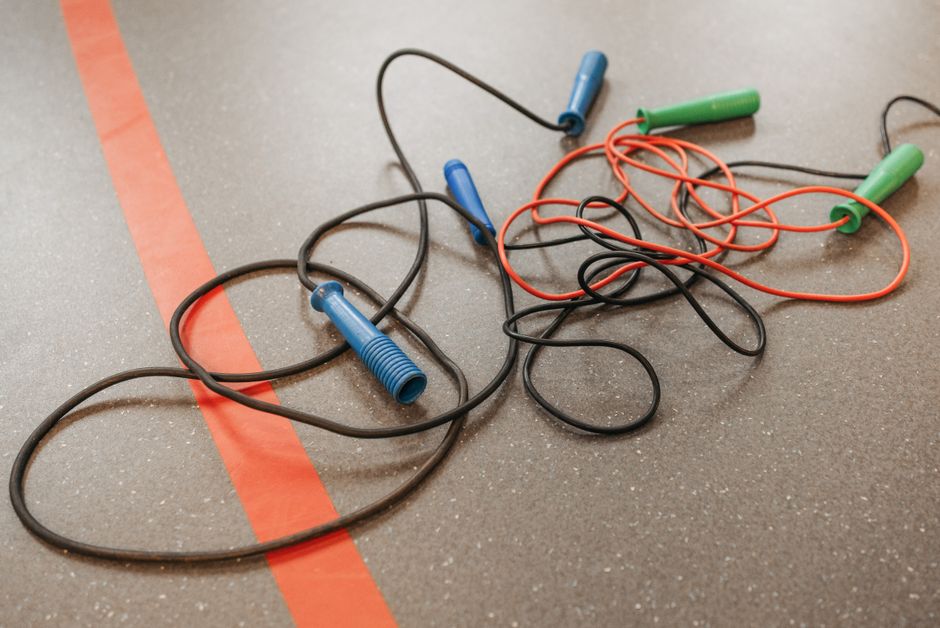
- Improper Storage: Storing your rope tangled or coiled can lead to kinks that cause twisting. Always hang your rope or lay it flat to maintain its shape. Proper storage is essential for keeping the rope in good condition and ready for use.
What to Check Before Buying
When selecting a jump rope, consider the following factors to avoid twisting issues:
- Material: Different materials can affect the rope’s flexibility and durability. PVC ropes are common for beginners, while speed ropes often use lighter materials for advanced users. The choice of material can influence how the rope spins and how prone it is to twisting.
- Handle Design: Look for ergonomic handles that offer a good grip without being overly tight. Handles with ball bearings allow for smoother rotation. A well-designed handle can significantly reduce the likelihood of twisting during use.
- Weight: The weight of the rope can influence how it spins. Heavier ropes may not twist as easily but can be more challenging to control. Conversely, lighter ropes may be easier to maneuver but could also be more prone to twisting if not used correctly.
How to Fix a Twisting Jump Rope
Here are some practical tips to address a twisting jump rope:
- Check the Length: Stand on the middle of the rope and pull the handles up. They should reach your armpits. Adjust the length if necessary. Ensuring the correct length is critical for proper technique and preventing twists.
- Practice Your Technique: Focus on keeping your elbows close to your sides and using your wrists to turn the rope, not your arms. Proper technique not only helps prevent twisting but also makes your jumps more efficient and less tiring.
- Store Properly: After use, hang your jump rope or lay it flat to prevent kinks. Avoid coiling it tightly. Proper storage will help maintain the integrity of the rope and reduce the likelihood of twists when you next use it.
- Inspect for Damage: Regularly check for any wear and tear on the rope. Replace it if you see fraying or significant damage that could lead to twisting. A damaged rope can behave unpredictably, increasing the chances of it twisting during use.
Beginner Tips
If you’re just starting with jump rope, here are some helpful tips:
- Start with basic jumps and gradually incorporate more complex techniques as you gain confidence. Building a strong foundation will make it easier to advance to more challenging skills.
- Use a mirror or video yourself to analyze your form and make adjustments as needed. Self-assessment can reveal technical flaws that might contribute to twisting.
- Set a timer for short intervals to build endurance without overwhelming yourself. Gradually increase the duration as you become more comfortable with the rope.
Advanced Tips
For those with more experience, consider these advanced techniques to enhance your jump rope skills:
- Incorporate different jump styles, such as double unders or crisscross jumps, to challenge yourself. Varying your jump style can help improve your coordination and timing, reducing the chances of twisting.
- Integrate jump rope exercises into your HIIT workouts for an added intensity boost. Combining jump rope with other exercises can enhance your overall fitness level.
- Use a weighted jump rope to increase resistance and build strength in your legs and core. Weighted ropes can also improve your control and technique, making it easier to avoid twists.
Practical Checklist for Your Jump Rope
Here’s a quick checklist to ensure your jump rope is in optimal condition: For more help, see our exercise training guides.
- Is the rope length appropriate for my height?
- Are the handles comfortable and secure?
- Is the rope material suitable for my jump style?
- Am I using the correct technique while jumping?
- How do I store my jump rope to prevent damage?
Frequently Asked Questions
Why does my jump rope keep tangling?
This can happen due to improper storage, such as coiling it tightly. Always hang or lay the rope flat to prevent tangling. Additionally, if the rope is frequently twisted during use, it may develop kinks that cause it to tangle more easily.
What type of jump rope is best for beginners?
A basic PVC rope is usually recommended for beginners due to its durability and ease of use. PVC ropes offer a good balance of weight and flexibility, making them ideal for learning the fundamentals.
How can I improve my jump rope technique?
Focus on keeping your elbows close to your body and using your wrists to turn the rope. Start slow and gradually increase your speed. Practicing regularly will help you develop muscle memory, making it easier to maintain proper form.
How often should I replace my jump rope?
Replace your jump rope if you notice significant wear, fraying, or if it no longer spins smoothly. Regular inspections will help you catch any damage early, ensuring your jump rope remains safe and effective.
Can I use a jump rope on any surface?
While you can use a jump rope on various surfaces, softer surfaces like rubber mats are better for reducing impact on your joints. Hard surfaces can increase the risk of injury over time, so consider your workout environment when jumping.
Conclusion
Understanding why your jump rope keeps twisting can significantly enhance your workout experience. By addressing common mistakes, checking rope specifications, and applying proper techniques, you can enjoy a smoother, more effective jump rope session. Remember, the key to mastering your jump rope lies in practice and attention to detail. So, get out there, jump with confidence, and enjoy the benefits of this versatile exercise tool!
Eat daily, sleep daily, exercise daily.
These are for informational purposes only. Consult your doctor and do your own research before use.