Beginner Home Workout Schedule | Exercise Daily
Many believe that effective workouts require a gym membership, specialized equipment, or hours of time each week—this couldn’t be further from the truth. A well-structured beginner home workout schedule can provide impressive results without ever stepping foot in a gym. The key is consistency, creativity, and understanding how to use your body effectively. Let’s break down how to create a practical, sustainable routine that fits your lifestyle and fitness goals. For more help, see our exercise training guides.
Who This Is For
- Beginners who are just starting their fitness journey and need a structured plan.
- Busy adults looking to incorporate exercise into their daily routine without the hassle of commuting to a gym.
- Parents who need quick, efficient workouts that can be done at home.
- Individuals who may feel intimidated by traditional gym settings.
- People recovering from injuries who need low-impact options for exercise.
What Most People Get Wrong
One common mistake beginners make is overcomplicating their workout routines. Many think they need to follow intricate plans or perform advanced exercises to see results. In reality, the basics often yield the best results, especially when starting out. Focusing on fundamental movements—like squats, push-ups, and planks—will build strength and endurance effectively. These foundational exercises engage multiple muscle groups, helping to improve overall functional fitness, which is crucial for daily activities. For more help, see our exercise training guides.
Additionally, beginners often underestimate the importance of rest and recovery. Skipping rest days can lead to burnout or injury, which can derail your fitness journey. A balanced approach that includes rest is essential for long-term success. Rest days allow your muscles to recover, repair, and grow stronger. On rest days, consider incorporating light activities such as walking or gentle stretching to promote blood circulation and aid recovery. For more help, see our fitness performance tips.
Why This Actually Works
A beginner home workout schedule works because it is tailored to your unique environment and needs. It allows for flexibility, enabling you to exercise when it fits best into your day. Moreover, research shows that consistency is a critical factor in achieving fitness goals. A study published in the Journal of Sports Sciences indicates that regular, moderate exercise can significantly improve overall health, mood, and fitness levels. Establishing a routine that fits your lifestyle encourages adherence and makes it easier to stay committed.
Moreover, bodyweight exercises, which form the basis of many home workouts, are effective for building strength and improving cardiovascular fitness. According to the CDC, engaging in physical activities that use your body weight can enhance muscular strength and endurance. These exercises also improve balance, coordination, and flexibility, which are essential components of overall health. By incorporating bodyweight movements, you can effectively train your body without the need for expensive equipment.
Mistakes to Avoid


As an Amazon Associate, Exercise Daily earns from qualifying purchases. This post may contain affiliate links. Last updated: October 4, 2026
- Skipping Warm-Ups: Always start with a 5-10 minute warm-up to prepare your body for exercise. Warm-ups increase blood flow to the muscles and reduce the risk of injury.
- Ignoring Form: Prioritize proper form over the number of repetitions to prevent injuries. Poor form can lead to overuse injuries and hinder your progress.
- Neglecting Nutrition: Fuel your body adequately; a balanced diet plays a crucial role in your fitness journey. Eating the right nutrients supports muscle recovery and energy levels.
- Overtraining: Listen to your body. If you’re feeling fatigued, give yourself permission to rest. Remember, rest is as important as the workouts themselves.
Your Beginner Home Workout Schedule
Below is a simple weekly schedule that incorporates various exercises targeting different muscle groups. This routine requires minimal equipment—just a mat and your body weight. Each workout is designed to be completed in about 30 minutes, making it easy to fit into a busy schedule.
| Day | Exercise | Target Muscle | Sets | Reps | Difficulty | Safety Cue |
|---|---|---|---|---|---|---|
| Monday | Bodyweight Squats | Legs | 3 | 10-15 | Easy | Keep knees behind toes. |
| Tuesday | Push-Ups | Chest/Arms | 3 | 5-10 | Moderate | Keep body straight; engage core. |
| Wednesday | Plank | Core | 3 | 20-30 seconds | Easy | Maintain a straight line from head to heels. |
| Thursday | Lunges | Legs | 3 | 8-10 per leg | Moderate | Keep front knee aligned with ankle. |
| Friday | Mountain Climbers | Full Body | 3 | 10-15 | Moderate | Engage core throughout the movement. |
| Saturday | Yoga/Stretching | Flexibility | 1 | 30 minutes | Easy | Focus on deep breathing. |
| Sunday | Rest | – | – | – | – | – |
Additional Tips for Success
As you embark on your beginner home workout schedule, consider these tips to optimize your experience:
- Set Realistic Goals: Aim for achievable milestones, like completing a week of workouts or increasing your reps. This can help maintain motivation and give you a sense of accomplishment.
- Stay Hydrated: Drinking water before, during, and after workouts is crucial for performance and recovery. Proper hydration can improve your energy levels and help with muscle soreness.
- Track Your Progress: Keep a fitness journal or use an app to log your workouts and improvements. Documenting your progress can provide insights into what works best for you and help you stay accountable.
- Incorporate Variety: Change your routine every few weeks to keep things interesting and challenge your body. This can prevent plateaus and keep you engaged in your fitness journey.
Frequently Asked Questions
1. How often should I work out as a beginner?
Start with 3-4 times a week, allowing for rest days in between to recover and avoid burnout. As you build endurance and strength, you can gradually increase the frequency.
2. What equipment do I need for a home workout?
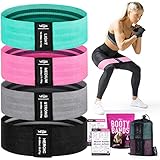
Basic equipment includes a yoga mat, resistance bands, and dumbbells, but many exercises can be done with just your body weight. If you’re looking for versatility, consider investing in a few lightweight dumbbells or resistance bands.
3. How long should each workout session last?
Begin with 20-30 minutes and gradually increase as your fitness improves. As you become more comfortable, you may extend your sessions to 45 minutes or an hour, depending on your goals.
4. Can I lose weight with a home workout schedule?
Yes, consistency and a balanced diet are key to weight loss, alongside your home workouts. Combining regular exercise with healthy eating habits will yield the best results.
5. What if I can’t do a full push-up?
Start with knee push-ups or incline push-ups against a wall or sturdy surface until you build strength. Gradually work your way up to standard push-ups as you gain confidence and strength.
Conclusion
A beginner home workout schedule is not only achievable but can be incredibly effective for building strength, improving fitness, and enhancing overall well-being. Remember to stay consistent, focus on form, and listen to your body. As you progress, you can adapt your routine to include more challenging exercises or longer sessions. Embrace the journey, celebrate small victories, and enjoy the benefits of exercising at home! The key to long-term success lies in making fitness a regular part of your life, adapting as necessary, and maintaining a positive mindset.
- References
Eat daily, sleep daily, exercise daily.