Absolute Beginner Workout Routine | Exercise Daily
Many believe that getting fit requires hours in the gym or complicated workout plans, but that’s simply not true. An absolute beginner workout routine can be straightforward, effective, and enjoyable. The key is to focus on consistency and gradual progression rather than jumping into intense workouts that may lead to burnout or injury. This article will guide you through a practical and effective routine designed specifically for beginners, ensuring you start your fitness journey on the right foot. For more help, see our exercise training guides.
Who This Is For
- Individuals who are completely new to exercising and want a structured plan.
- Busy adults looking for quick and effective workouts to fit into their schedules.
- Parents who need a routine that can be done at home or with minimal equipment.
- People who may have been inactive for a while and are looking to ease back into fitness.
- Any beginner who wants to establish a solid foundation before moving on to more advanced exercises.
What Most People Get Wrong
One of the biggest misconceptions is that you need to spend hours working out to see results. Many beginners start with overly ambitious goals, which can lead to frustration and injury. Instead of focusing on long workout sessions, prioritize short, effective workouts that fit your lifestyle. Consistency is far more important than intensity for beginners. For more help, see our exercise training guides.
Another common mistake is the reliance on complex exercise routines. Beginners often feel overwhelmed by the variety of exercises and equipment available. The truth is, simple movements can be just as effective for building strength and endurance. By concentrating on foundational exercises, you not only enhance your physical capabilities but also build confidence in your ability to perform movements correctly. For more help, see our exercise training guides.
Why This Actually Works
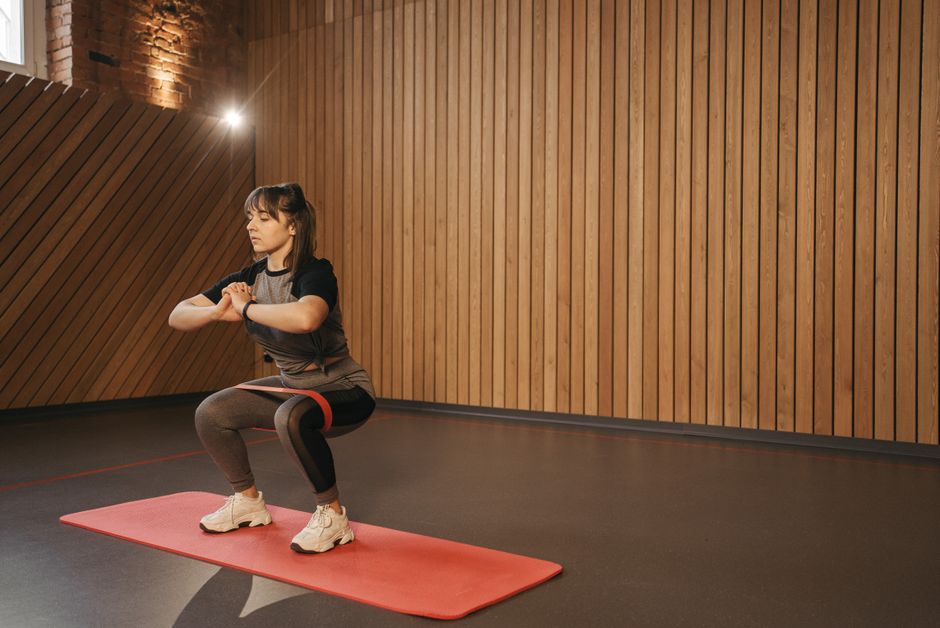
This beginner workout routine focuses on bodyweight exercises that can be performed anywhere, requiring no special equipment. This approach allows you to build strength, improve flexibility, and enhance overall fitness without the intimidation of a gym environment. Additionally, bodyweight exercises engage multiple muscle groups simultaneously, promoting functional strength that translates into everyday activities.
Moreover, incorporating rest days and active recovery helps prevent burnout and injury, making it easier to stick with your routine long-term. A balanced approach that includes strength training, cardiovascular exercise, and flexibility work is essential for overall health. This balance not only boosts your physical fitness but also enhances mental well-being, as regular exercise is proven to reduce stress and improve mood.
Mistakes to Avoid


As an Amazon Associate, Exercise Daily earns from qualifying purchases. This post may contain affiliate links. Last updated: October 26, 2026
- Skipping Warm-ups: Always start your routine with a warm-up to prepare your muscles and joints. A proper warm-up increases blood flow and reduces the risk of injury.
- Overtraining: Listen to your body and don’t push through pain. Rest days are crucial for recovery. Ignoring fatigue can lead to setbacks in your fitness journey.
- Neglecting Nutrition: Fuel your body with nutritious foods to support your workouts and recovery. A balanced diet plays a significant role in your overall fitness and energy levels.
- Setting Unrealistic Goals: Aim for gradual progress rather than immediate results to maintain motivation. Setting small, achievable milestones can help you stay focused and encouraged.
Beginner Workout Routine
Here’s a simple, effective workout routine you can follow as an absolute beginner. Aim to complete this routine 3 times a week, allowing a day of rest in between sessions. This will give your muscles time to recover and grow stronger, which is essential for long-term success.
| Exercise | Target Muscle | Sets | Reps | Difficulty | Safety Cue |
|---|---|---|---|---|---|
| Bodyweight Squats | Legs, Glutes | 3 | 10-15 | Easy | Keep your knees behind your toes. |
| Push-ups (Knee or Full) | Chest, Shoulders, Triceps | 3 | 5-10 | Medium | Keep your body in a straight line. |
| Plank | Core | 3 | 20-30 seconds | Medium | Engage your core and keep your back flat. |
| Glute Bridges | Glutes, Hamstrings | 3 | 10-15 | Easy | Don’t overextend your back. |
| Walking or Jogging | Full Body | 1 | 10-20 minutes | Easy | Maintain a steady pace. |
Tips for Success
To maximize your results and keep your motivation high, consider these tips:
- Track Your Progress: Keep a journal of your workouts to see how you improve over time. Recording your achievements can be a great source of motivation and help you adjust your routine as needed.
- Stay Hydrated: Drink plenty of water before, during, and after your workouts. Proper hydration supports performance and recovery, ensuring your body functions optimally.
- Mix It Up: To prevent boredom, try different bodyweight exercises or add light weights as you progress. Introducing variety can keep your workouts exciting and challenge your body in new ways.
- Find a Workout Buddy: Partnering with a friend can keep you accountable and make workouts more enjoyable. Having someone to share your journey with can enhance your experience and encourage consistency.
Frequently Asked Questions
How often should I work out as a beginner?
Start with 2-3 times a week, gradually increasing as your body adapts. It’s important to listen to your body and allow adequate recovery time to prevent overtraining.
Can I lose weight with just bodyweight exercises?
Yes, bodyweight exercises can help build muscle and burn calories, contributing to weight loss when paired with a healthy diet. Consistency in your workouts, combined with mindful eating, can lead to sustainable weight loss.
What should I eat before my workout?
A light snack such as a banana or a small yogurt is ideal for providing energy without weighing you down. It’s important to give your body the fuel it needs for optimal performance without feeling sluggish.
How do I know if I’m overdoing it?
Pay attention to your body. If you experience persistent pain or fatigue, it may be a sign to take a break or reduce the intensity of your workouts. Signs of overtraining can include irritability, decreased performance, and disrupted sleep.
Is it necessary to stretch after exercising?
Yes, stretching helps improve flexibility and aids recovery by reducing muscle tightness. Incorporating a cool-down routine post-workout can enhance your recovery process and prepare your body for the next session.
- References
- NIH Study on Bodyweight Training
- PubMed on Exercise Frequency
- CDC Physical Activity Guidelines
- ACSM Resource Library
Starting your fitness journey doesn’t have to be complicated. By following this absolute beginner workout routine, you’ll build a solid foundation for your health and fitness. Remember, the most important part is to stay consistent and listen to your body. Celebrate your progress, no matter how small, and embrace the journey towards a healthier you.
Eat daily, sleep daily, exercise daily.
These are for informational purposes only. Consult your doctor and do your own research before use.