Beginner Simple Workout Log | Exercise Daily
Many think that logging workouts is just for serious athletes or bodybuilders, but that couldn’t be further from the truth. A beginner simple workout log is an essential tool for anyone starting their fitness journey. It helps track progress, stay motivated, and set realistic goals. Forget the notion that you need to lift heavy weights or run marathons to benefit from a workout log; even the simplest exercises deserve recognition and documentation. For more help, see our exercise training guides.
Who This Is For
- Beginners looking to establish a consistent workout routine.
- Busy adults wanting to maximize their limited workout time.
- Parents who are returning to fitness after a break.
- Individuals who feel overwhelmed by fitness options and need a structured approach.
- People recording a return to activity using an individualized plan from their treating clinician.
What Most People Get Wrong
One common misconception is that you need to work out for hours to see results. In reality, short, focused sessions can be extremely effective, especially when paired with a consistent logging habit. Another mistake is not tracking progress; without a workout log, it’s easy to lose sight of improvements or get discouraged. By logging even the simplest workouts, you can see how far you’ve come and adjust your goals accordingly. For more help, see our fitness performance tips.
Why This Actually Works
A beginner simple workout log promotes accountability. Writing down workouts creates a commitment to your fitness journey. It also helps identify patterns in your performance, allowing you to adjust your routine based on what works best for you. By tracking your exercises, you can celebrate small victories, which keeps you motivated and focused on your goals.
Mistakes to Avoid
Here are some common pitfalls to steer clear of:
- Overcomplicating your log: Keep it simple. Focus on basic details like exercises, sets, and reps.
- Neglecting to review: Regularly look back at your logs to assess your progress and make necessary adjustments.
- Ignoring warm-up and cool-down: Always include these in your log to remind yourself of their importance.
- Setting unrealistic goals: Start with achievable targets to avoid frustration.
Example Workout Log
The entries below illustrate a logging format, not a prescribed workout or rehabilitation plan. Adjust exercises, repetitions and duration to your ability. Hartford HealthCare explains that some forward knee movement during squats can be normal; control, alignment and individual symptoms matter.
| Exercise | Target Muscle | Sets | Reps | Difficulty | Safety Cue |
|---|---|---|---|---|---|
| Bodyweight Squats | Legs | 3 | 10-15 | Easy | Keep knees tracking with toes; move with control in a comfortable, pain-free range. |
| Push-Ups | Chest | 3 | 8-12 | Medium | Keep body straight |
| Plank | Core | 3 | 30-60 sec | Easy | Engage core throughout |
Optional Equipment: Workout Journals
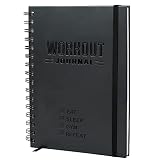
A notebook, spreadsheet or existing app is enough to start; buying a specialized journal is optional. If you prefer a printed workout log, compare page layout, space for your activities, size and binding. Some listed planners emphasize weight training or include nutrition tracking, which may be unnecessary for your routine. These are catalog options, not hands-on test results or promises of fitness outcomes.


As an Amazon Associate, Exercise Daily earns from qualifying purchases. This post may contain affiliate links. Last updated: November 6, 2026 2:38 pm
Frequently Asked Questions
1. How do I start a workout log?
Begin by listing your exercises, sets, and reps after each workout. You can use a notebook, a digital app, or a simple spreadsheet.
2. How often should I log my workouts?
Log your workouts every time you exercise. Consistency is key for tracking progress.
3. What if I miss a workout?
Don’t worry! Just note it in your log and focus on getting back on track with your next session.
4. Can I use a workout log for different types of exercises?
Absolutely! Whether it’s strength training, cardio, or flexibility work, every type of exercise can be logged.
5. Should I track my nutrition too?
While this log focuses on workouts, tracking nutrition can complement your fitness goals. Consider a separate log for meals if that interests you. For more help, see our nutrition and recovery advice.
Extra Value: Quick Checklist for Your Workout Log
- Include date and time of workout
- List all exercises performed
- Note sets and reps for each exercise
- Record how you felt during the workout
- Set goals for your next session
Using a beginner simple workout log can truly enhance your fitness experience. It not only helps in tracking progress but also keeps you motivated along the way. For additional planning resources, consider tools like the HHS Move Your Way Activity Planner to structure your activities and goals effectively.
By embracing the habit of logging your workouts, you’ll build a solid foundation for your fitness journey. Remember, every small step counts. Start today and watch your progress unfold!
Eat daily, sleep daily, exercise daily.
These are for informational purposes only. Consult your doctor and do your own research before use.