
AI Metabolism Tracker Device | Exercise Daily
Many people believe that tracking their metabolism is too complex or that only athletes need to do it, but that’s a myth. The reality is that anyone can benefit from using an AI metabolism tracker device, regardless of their fitness level or lifestyle. These devices offer personalized insights that can help you optimize your nutrition and exercise habits, leading to better health outcomes. Understanding your metabolism is essential for effective weight management and overall wellness. For more help, see our exercise training guides.
Who This Is For
- Beginners looking to understand their metabolism and improve their fitness journey.
- Athletes wanting to fine-tune their nutrition and performance.
- Busy adults who need quick and effective ways to manage their health.
- Parents who want to set a healthy example for their children.
- Individuals recovering from injuries or health issues seeking to regain their strength.
What Most People Get Wrong
One common misconception is that metabolism is fixed and unchangeable. In reality, your metabolic rate can be influenced by several factors, including diet, exercise, age, and even sleep quality. Many people also think they need to follow overly restrictive diets to lose weight, but this can actually slow down metabolism and lead to muscle loss. An AI metabolism tracker device can provide tailored advice to help you avoid these pitfalls. For more help, see our exercise training guides.
For instance, many individuals believe that eating fewer calories is the only way to lose weight. However, this can lead to a decrease in muscle mass, which in turn lowers your resting metabolic rate and makes weight loss more challenging in the long run. An AI metabolism tracker can help you understand the balance of macronutrients and caloric intake required to support your metabolism while achieving your weight goals. For more help, see our fitness performance tips.
Why This Actually Works
AI metabolism trackers work by analyzing various data points, such as your physical activity, dietary intake, and even sleep patterns. These devices use algorithms to provide personalized recommendations based on your unique metabolic profile. For instance, if you’re not eating enough protein, the device may suggest increasing your intake to support muscle repair and growth. Research shows that personalized nutrition can significantly improve adherence to dietary guidelines and enhance metabolic health (1).
Moreover, using an AI metabolism tracker can help you understand how your body responds to different foods and activities. For example, by logging your meals and workouts, you might discover that consuming a high-carb meal before a workout boosts your performance, while a high-fat meal leads to sluggishness. This level of personalization is critical because it allows you to make informed decisions that align with your specific goals, whether it’s weight loss, muscle gain, or improved athletic performance.
Furthermore, these devices often incorporate machine learning algorithms that adapt to your habits over time, becoming increasingly accurate in their recommendations. This adaptability ensures that as you progress in your fitness journey, the guidance you receive evolves to meet your changing needs.
Mistakes to Avoid



As an Amazon Associate, Exercise Daily earns from qualifying purchases. This post may contain affiliate links. Last updated: October 19, 2026
When using an AI metabolism tracker, there are several common mistakes that users should be aware of:
- Ignoring the Data: The device provides insights that need to be acted upon. Don’t just track for the sake of tracking; use the information to make adjustments in your diet and exercise routine. For example, if your tracker indicates that you’re not consuming enough fiber, consider adding more fruits, vegetables, or whole grains into your meals.
- Overcomplicating Nutrition: Many users fall into the trap of thinking they need to micromanage every calorie. Instead, focus on overall trends and patterns rather than daily fluctuations. This approach can lead to a more sustainable and enjoyable relationship with food.
- Neglecting Other Health Factors: Remember that metabolism is just one aspect of health. Ensure you’re also considering hydration, sleep, and mental well-being. For instance, chronic stress can affect hormone levels and metabolism, so finding ways to manage stress is equally important.
Practical Examples and Use Cases
Using an AI metabolism tracker can be straightforward. Here’s a step-by-step example of how to incorporate it into your life:
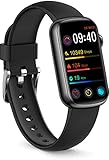
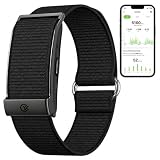
- Choose Your Device: Research and select an AI metabolism tracker that suits your needs. Look for features like food logging, activity tracking, and integration with other health apps. Popular options include devices like the Oura Ring, Fitbit, and Apple Watch, which can provide comprehensive data on your metabolic health.
- Set Your Goals: Define what you want to achieve—whether it’s weight loss, muscle gain, or improved performance. Setting specific, measurable, attainable, relevant, and time-bound (SMART) goals can help you stay focused.
- Log Your Data: Start tracking your meals, workouts, and sleep patterns. Be consistent for at least a couple of weeks to gather enough data. Many devices allow you to scan barcodes or search for foods in a database, making logging easier.
- Analyze Insights: Review the recommendations provided by the device. If it suggests increasing your protein intake, try incorporating more lean meats, legumes, or dairy into your meals. You might also find that tracking your hydration levels helps improve your energy and recovery.
- Make Adjustments: Based on the insights, adjust your diet and exercise routine. Continue to monitor your progress and tweak as necessary. If you notice that your energy levels drop during certain workouts, consider adjusting your pre-workout nutrition.
Example Nutrition Tracking Table
| Food Item | Calories | Protein (g) | Carbs (g) | Fats (g) |
|---|---|---|---|---|
| Grilled Chicken Breast | 165 | 31 | 0 | 3.6 |
| Quinoa (1 cup cooked) | 222 | 8 | 39 | 3.6 |
| Broccoli (1 cup cooked) | 55 | 4 | 11 | 0.6 |
| Avocado (1 medium) | 240 | 3 | 12 | 22 |
Beginner Tips
- Start slow: Don’t overwhelm yourself with data. Focus on logging meals and workouts for the first week. Gradually introduce additional metrics, such as sleep quality and stress levels, to gain a holistic view of your health.
- Set realistic goals: Aim for small, achievable targets to keep yourself motivated. For instance, instead of aiming to lose 20 pounds in a month, aim for 1-2 pounds per week.
- Stay consistent: Regular monitoring will help you understand your metabolism better over time. Consistency is key to seeing the benefits of an AI metabolism tracker.
Advanced Tips
- Experiment with meal timing: Some users find that adjusting when they eat can influence their metabolism positively. For example, consuming protein-rich meals in the morning may help with satiety and energy levels throughout the day.
- Incorporate resistance training: Building muscle can elevate your resting metabolic rate (2). Consider adding strength training to your routine at least twice a week to maximize metabolic benefits.
- Utilize the device’s analytics: Dive deep into the data it provides to find correlations between your habits and outcomes. For instance, if your tracker indicates improved sleep quality correlates with better workout performance, prioritize sleep in your health regimen.
Frequently Asked Questions
1. How accurate are AI metabolism trackers?
AI metabolism trackers can offer valuable insights, but their accuracy can vary based on the device and how consistently you log your data. It’s best to use them as a guide rather than an absolute measure. For the most accurate results, ensure that you log your meals and activities as precisely as possible.
2. Can I use a metabolism tracker if I have dietary restrictions?
Absolutely! AI metabolism trackers can accommodate various dietary preferences and restrictions. Just ensure to input your food choices accurately for tailored recommendations. If you follow a vegan diet, for example, the device can suggest plant-based protein sources to meet your nutritional needs.
3. How often should I check my metabolism data?
For best results, check your data weekly. This allows you to observe trends without getting bogged down by daily fluctuations. Weekly reviews can also help you adjust your strategies based on your progress and any changes in your lifestyle.
4. Will I lose weight faster by using an AI metabolism tracker?
An AI metabolism tracker can help you make informed decisions that may lead to weight loss, but it’s essential to combine it with a balanced diet and exercise routine for the best results. The key to effective weight management is consistency and making sustainable lifestyle changes.
5. Are there any side effects to using these devices?
Generally, there are no side effects to using AI metabolism trackers. However, it’s crucial to maintain a balanced approach to health and not become overly obsessed with tracking. Remember that while data can provide insights, it’s important to listen to your body and make adjustments based on how you feel.
References
- Personalized Nutrition and Health Outcomes
- The Role of Resistance Training in Metabolism
- WHO: Healthy Diet
- The Impact of Sleep on Metabolism
Integrating an AI metabolism tracker device into your routine can be a game changer for anyone looking to optimize their health. With the right mindset and approach, you can turn data into actionable insights that lead to tangible results. Remember, the journey to better health is personal and requires dedication, but with these tools at your disposal, you’re well on your way. By understanding your metabolism and making informed choices, you can enhance your overall well-being and achieve your fitness goals.
Eat daily, sleep daily, exercise daily.
These are for informational purposes only. Consult your doctor and do your own research before use.