

Exercise Daily _ Ankle Strengthening Exercises After Injury
Injuries to the ankle are common, affecting individuals from all walks of life, whether they are athletes, weekend warriors, or simply those who enjoy an active lifestyle. After an ankle injury, many individuals face the daunting challenge of rehabilitation and recovery. Ankle strengthening exercises play a crucial role in this process, but there is considerable debate about the best approach to take. This article aims to explore the significance of ankle strengthening exercises after injury, counter common misconceptions, and provide evidence-based recommendations.
10 Proven Strategies to Stay Motivated with Exercise
The Importance of Ankle Strengthening Exercises
After an ankle injury, the primary goal is to restore strength, stability, and function to the affected area. Ankle strengthening exercises are vital for several reasons:
- Restoration of Strength: Injuries often result in muscle atrophy and weakness. Strengthening exercises help rebuild muscle mass.
- Improved Stability: A strong ankle is crucial for balance and proprioception, reducing the risk of future injuries.
- Enhanced Mobility: Strengthening the muscles around the ankle joint can improve overall mobility and range of motion.
- Injury Prevention: A well-conditioned ankle is less prone to re-injury, particularly in athletes.
Despite these benefits, many individuals mistakenly believe that rest is the only necessary component of recovery. This misconception can delay healing and weaken the ankle further. It is essential to strike a balance between rest and rehabilitation.
Common Misconceptions About Ankle Rehabilitation
Several myths surround the rehabilitation process following an ankle injury. Addressing these misconceptions is crucial for effective recovery:
- Myth 1: Rest is Enough: While rest is crucial immediately following an injury, prolonged inactivity can lead to stiffness and further weakening of the ankle.
- Myth 2: Pain Equals Damage: Mild discomfort during rehabilitation exercises can be normal. Pain should be monitored, but it does not always indicate harm.
- Myth 3: Only High-Impact Exercises Matter: Low-impact exercises can be equally effective in strengthening the ankle without risking further injury.
Understanding these misconceptions can empower individuals to take a proactive approach in their rehabilitation journey.
Evidence-Based Ankle Strengthening Exercises
When it comes to selecting appropriate exercises, it is vital to consider an evidence-based approach. Below are some effective ankle strengthening exercises that can be safely performed after an injury. Always consult a healthcare provider before starting any new exercise regimen.
1. Ankle Alphabet
This exercise helps improve mobility and range of motion while strengthening the ankle.
How to Perform: Sit on a chair with your foot elevated. Use your big toe to trace the letters of the alphabet in the air. This exercise can be repeated several times.
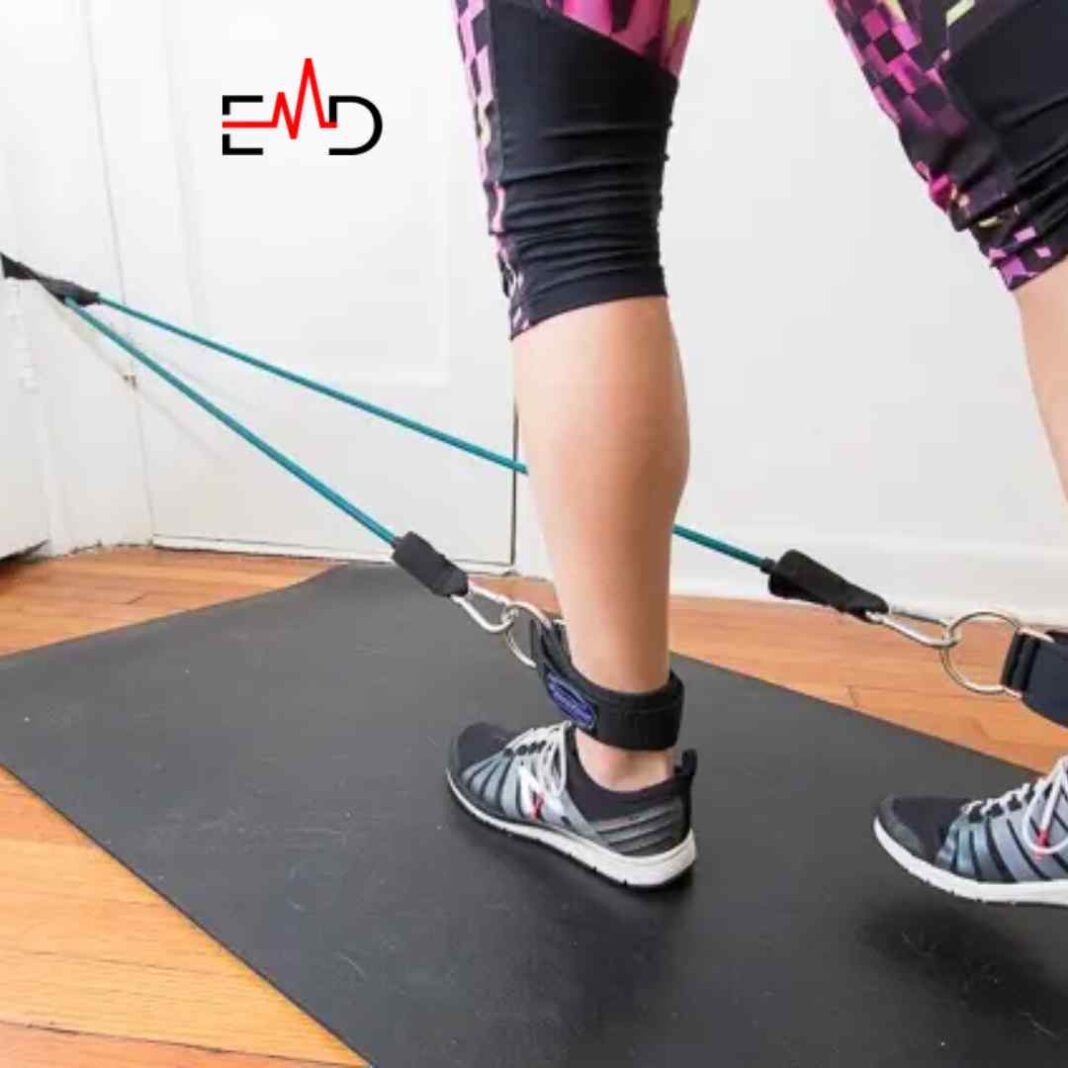
2. Resistance Band Exercises
Resistance bands can be used to strengthen the ankle in multiple directions.
How to Perform: Secure one end of the band to a stable object and the other around your foot. Perform ankle dorsiflexion, plantarflexion, inversion, and eversion against the band’s resistance. Aim for 10-15 repetitions for each direction.
3. Heel Raises
Heel raises are effective for building calf strength and improving overall ankle stability.
How to Perform: Stand with your feet shoulder-width apart. Slowly raise your heels off the ground, standing on your toes. Hold for a moment and then lower back down. Repeat for 10-15 repetitions.
4. Single-Leg Balance
This exercise enhances proprioception and balance, which are critical for ankle stability.
How to Perform: Stand on one leg for 30 seconds while maintaining balance. For added difficulty, try closing your eyes or standing on an unstable surface. Switch legs and repeat.
5. Step-Ups
Step-ups are excellent for functional strength and can be easily modified to suit your current ability level.
How to Perform: Step onto a low platform or step with one foot, then bring the other foot up to meet it. Step back down and repeat for 10-15 repetitions on each leg.
Progression and Monitoring Recovery
As with any rehabilitation program, progression is key. Start with low-intensity exercises and gradually increase difficulty as strength and mobility improve. Monitoring recovery is equally important. Here are some indicators to watch for:
- Decrease in Pain: A gradual reduction in pain levels during and after exercises is a positive sign.
- Increased Range of Motion: Improved mobility in the ankle joint should be noticeable over time.
- Enhanced Strength: Being able to perform more repetitions or increase resistance indicates progress.
It’s crucial to listen to your body. If you experience increased pain or discomfort, consult with a healthcare professional to reassess your rehabilitation plan.
The Role of Nutrition in Recovery
Adequate nutrition plays a vital role in the recovery process. Consuming a balanced diet rich in anti-inflammatory foods can accelerate healing. Here are some nutritional tips to consider:
- Protein: Essential for muscle repair and recovery. Incorporate lean meats, fish, legumes, and dairy into your diet.
- Omega-3 Fatty Acids: Found in fish and flaxseeds, they help reduce inflammation.
- Vitamins and Minerals: Vitamins C and D, along with minerals like calcium and magnesium, are crucial for bone and tissue health.
For a simple yet effective recipe to aid recovery, consider a nutrient-rich smoothie combining spinach, banana, Greek yogurt, and a tablespoon of flaxseed. This smoothie is packed with protein and omega-3s, making it an excellent post-workout recovery option.
Conclusion
Ankle strengthening exercises after injury are essential for restoring function, reducing the risk of future injuries, and promoting overall health. By debunking common myths and emphasizing an evidence-based approach, individuals can take an active role in their rehabilitation. Remember to progress gradually, monitor your recovery, and support your healing process with proper nutrition. The journey to recovery may be challenging, but it is also rewarding.
For more information on exercises and wellness, visit Exercise Daily and explore our resources on fitness and wellness.
- Kirk, M. (2019). Ankle rehabilitation: The role of strength training. PubMed.
- García, L. (2020). The importance of proprioceptive training in ankle rehabilitation. NIH.
- World Health Organization. (2021). Physical activity fact sheet.
- Brukner, P., & Khan, K. (2018). Clinical Sports Medicine. Journal of Sports Medicine.
These are for informational purposes only. Consult your doctor and do your own research before use.
Eat daily, sleep daily, exercise daily.