Exercise Daily _ The Best Nutritious Sea Salt for Athletes: A 3,000-Word Unfiltered, Scientific, Controversial Deep Dive
Let’s start with the question the fitness world refuses to answer:
If salt is so “dangerous,” so “unhealthy,” so “bad for your heart”… then why is the first thing emergency rooms inject into collapsing patients a bag of salt water?
Not vitamins.
Not electrolytes.
Not antioxidants.
Not “superfoods.”
SALT WATER.
This is not a coincidence. This is physiology. This is survival.
And this Weekly Trending article — written for athletes, gym-goers, wellness readers, seniors, young adults, and the entire EDML community — will expose the truth about salt in a way no mainstream blog, nutrition class, or fitness influencer ever will.
We will break down:
- the REAL difference between sea salt, mountain salt, table salt, Celtic salt, Baja Gold, iodized salt, potassium salts, and fake “detox salts”
- which salts athletes should avoid at all costs
- which salts actually improve hydration, endurance, recovery, and muscle function
- the EXACT physiology of how salt works inside the body
- why too little salt is FAR more dangerous than too much
- the “saline IV contradiction” the medical world never explains
- full mineral tables and salt comparison charts
- the controversial truth about sodium, blood pressure, and performance
- the EDML-approved salt list for youth athletes, seniors, gym-goers, and families
This is not a seasoning article.
This is a survival article.
This is a performance article.
This is an article that finally tells the truth the fitness world avoids.
Salt 101: What Salt Actually Is (Simple + Advanced Explanation)
Let’s strip the misinformation away and start simple:
Salt = Sodium + Chloride (NaCl)
Your body uses sodium to:
- fire nerve impulses
- contract muscles (including your heart)
- regulate hydration and fluid balance
- transport nutrients into cells
- move electrolytes across cell membranes
- maintain blood pressure and circulation
- produce stomach acid (HCl) for digestion
If sodium drops too low:
- cells swell
- muscles misfire
- nerves stop communicating
- blood pressure crashes
- you faint or go into shock
This is why athletes who sweat heavily need more sodium, not less — because sweat contains sodium, potassium, magnesium, and chloride in large amounts.
Now the advanced explanation athletes need to understand:
Every single muscle contraction in your body — whether you are pressing 225 lbs, sprinting 40 yards, jumping, swimming, or even lifting a fork — depends on the sodium–potassium ATPase pump.
This molecular pump shifts sodium into the cell and potassium out of the cell, generating an electrical gradient.
That electrical spark is the difference between movement and collapse.
Between power and weakness.
Between cramping and performance.
If sodium is low, the pump cannot fire.
If the pump cannot fire, muscles fail.
Salt is not seasoning. Salt is electricity for your body.
The History of Salt: The Mineral That Built Civilizations
Salt was once more valuable than gold.
Salt decided trade routes, wars, and national borders.
Salt preserved food before refrigeration.
Salt financed empires.
Roman soldiers were literally paid in salt — the root of the word “salary.”
Humans instinctively knew: without salt, you die.
Fast-forward to the 20th century — the processed food industry exploded, humanity became sodium-deficient from sweating yet over-salted from junk foods… and doctors blamed “salt” instead of the real problem: toxic processed diets and stripped chemical table salt.
Natural salt did not cause the hypertension epidemic.
Processed food did.
Why the “Low-Salt Diet” Damaged Athletes and Regular People
For decades people were told:
“Salt causes high blood pressure.”
“Avoid salt at all costs.”
“Salt makes you bloated.”
This is only true when salt comes from:
- fast food
- processed snacks
- canned foods
- bleached industrial table salt
And when the consumer is:
- eating a highly processed diet
- sedentary
- mineral-deficient
Athletes are NOT the general population.
Athletes sweat.
Athletes lose electrolytes rapidly.
Athletes need sodium for performance.
The low-sodium movement hurt athletes, sauna users, bodybuilders, people who sweat heavily, and even seniors who need balanced electrolytes for muscle function.
When sodium is too low, the result is:
- cramping
- fatigue
- poor recovery
- dizziness
- dangerous drops in blood pressure
- electrolyte imbalance
Salt isn’t the enemy.
Imbalance is.
Mountain Salt vs Sea Salt vs Table Salt vs Iodized Salt vs Celtic vs Baja Gold: The Real Breakdown
This is the comparison no one gives you honestly — because once you understand the differences, you will never touch ordinary table salt again.
Let’s break down each category clearly and brutally:
1. Mountain Salt (Himalayan, Andean Rock Salt)
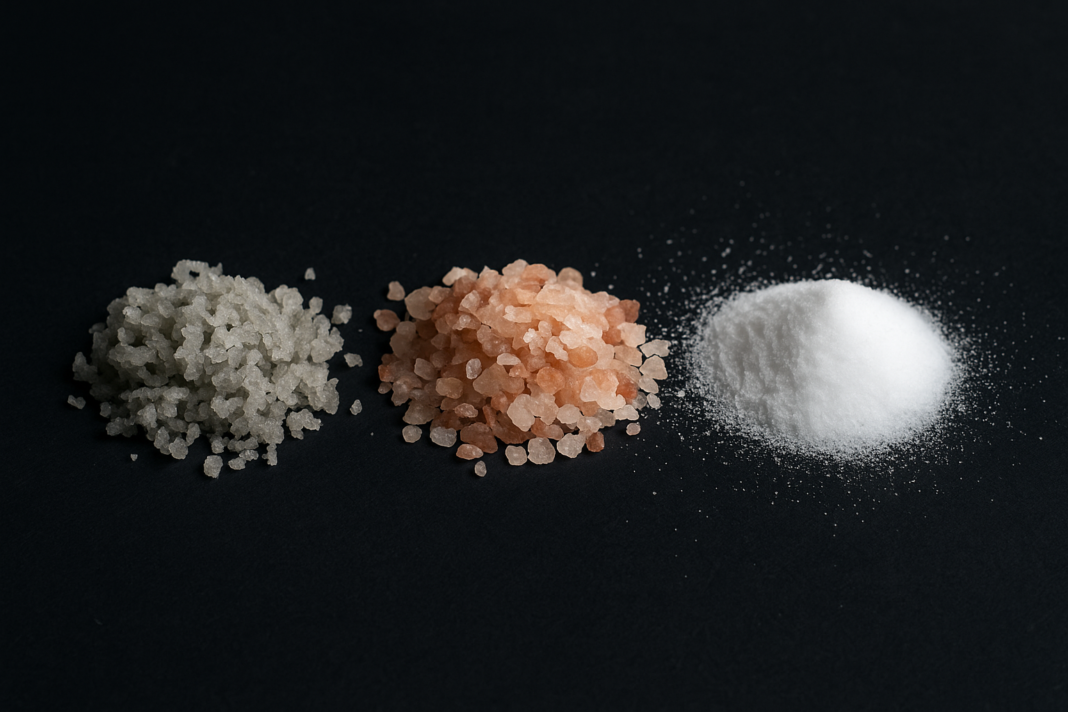
Harvested from ancient seabeds that dried millions of years ago. Contains trace minerals like iron (gives it the pink color), calcium, and magnesium — but in reality, these minerals are present in tiny amounts that do not meaningfully change your nutrition.
Pros: Natural, unrefined, visually appealing, decent mineral profile.
Cons: Marketing hype overstates benefits, minerals too low to matter, high counterfeit rate.
EDML verdict: Good option, but not the best for athletes.
2. Modern Sea Salt
Evaporated directly from today’s seawater. Contains higher mineral diversity than table salt, including magnesium, potassium, calcium, and trace minerals.
Pros: Minimal processing, superior flavor, supports hydration better than table salt.
Cons: Mineral levels vary by location; may be low in iodine unless fortified.
EDML verdict: Very good everyday salt.
3. Celtic Sea Salt (The Elite Salt for Athletes)
This is the most mineral-rich, hydration-supportive natural salt widely available. Grey, moist, harvested from clean coastal marshes using ancient, chemical-free methods.
Its mineral profile includes:
- magnesium
- potassium
- calcium
- phosphorus
- manganese
- zinc
- iron
But here’s the secret: Celtic Sea Salt has lower sodium per teaspoon because its moisture content is high. That means athletes get a gentler sodium dose per pinch with better mineral balance.
EDML verdict: #1 Best Nutritious Sea Salt for Athletes.
4. Baja Gold Mineral Sea Salt
Harvested from the Sea of Cortez. Extremely high in magnesium and potassium — the two minerals most athletes lack due to sweating, stress, and heavy training.
Magnesium is the relaxation mineral.
Potassium is the anti-cramp mineral.
Sodium is the hydration mineral.
Baja Gold has all three in excellent ratios.
EDML verdict: Top-tier salt for high-performing athletes.
5. Table Salt (The Worst Choice)
Table salt is rock salt that has been:
- bleached
- chemically refined
- stripped of minerals
- processed at high heat
- mixed with anti-caking agents
- sometimes treated with stabilizers
It is the most unnatural form of salt consumed by humans.
Here’s the truth: high blood pressure epidemics correlate with processed food intake — NOT with natural salts like Celtic, Himalayan, or sea salt.
EDML verdict: AVOID for athletes and daily use.
6. Iodized Salt
Iodized salt is simply table salt with iodine added to prevent deficiency. While iodine is essential, the base salt is still highly processed.
Pros: Helps prevent iodine deficiency.
Cons: Still contains anti-caking agents; still stripped of minerals; still inferior to natural salts.
EDML verdict: Use sparingly unless medically required.
Mineral Composition Comparison Table (Expanded Athlete Version)
| Salt Type | Sodium (per tsp) | Magnesium | Potassium | Trace Minerals | Hydration Impact | Athlete Performance Impact |
|---|---|---|---|---|---|---|
| Celtic Sea Salt | Low–moderate | High | Moderate | Highest | Excellent | Elite recovery and hydration |
| Baja Gold | Moderate | Very high | High | High | Elite | Best for heavy sweaters + endurance |
| Sea Salt | Moderate | Moderate | Low–moderate | Moderate | Good | Good |
| Himalayan Mountain Salt | Moderate | Low | Low | Moderate | Decent | Decent |
| Table Salt | Very high | 0 | 0 | 0 | Poor | Bad for hydration balance |
What NOT to Take — The EDML Official “Do Not Touch” List
This is where most people ruin their hydration and health without ever realizing the cause.
Athletes, seniors, youth athletes, and families should avoid these salts:
- Bleached table salt — completely stripped of minerals; high chemical exposure.
- Salt with aluminum-based anti-caking agents — interferes with digestion and nutrient absorption.
- Cheap fake “pink Himalayan salt” — the counterfeit market is massive.
- Colored salts with dyes — unnecessary additives with no nutritional benefit.
- Industrial processed salts used in packaged snacks — inflammation and water retention issues.
- “Detox miracle salts” — unregulated marketing scams.
If a salt went through a lab, a factory, or a chemical process, EDML says NO.
Why Natural Salts Are Superior for Hydration and Muscle Function
Natural salts contain magnesium, potassium, calcium, zinc, and dozens of trace minerals your body needs for:
- nerve firing
- muscle contraction
- recovery
- electrolyte balance
- hydration absorption
- acid-base regulation
- heart rhythm stability
Table salt contributes none of these benefits.
Zero.
It is only sodium and chloride — stripped, bleached, chemically processed.
This is why natural salts feel different in the body. Athletes report:
- less cramping
- better pump
- better hydration
- faster recovery
- better blood flow
- lower fatigue
Natural salts aren’t just flavor — they are performance tools.
The Hospital Saline Argument: The Proof No One Talks About
This is the most important — and most controversial — point in the entire salt debate.
If salt was truly harmful, doctors would not inject it directly into your bloodstream.
Yet every emergency department in the world uses:
0.9% Sodium Chloride Solution — aka, SALT WATER — as the universal “save a life” fluid.
Reason #1 — Sodium Controls Blood Volume
Without sodium, your body cannot hold water inside the bloodstream. Sodium pulls water into the vascular system and stabilizes blood volume.
Too little sodium → low blood volume → fainting, dizziness, shock.
Reason #2 — Sodium Is the Body’s Electrical Wiring
Every heartbeat, every nerve firing, every muscle contraction depends on sodium. Without it, the nervous system cannot transmit signals.
Why do dehydrated athletes collapse?
Why do runners cramp?
Why do lifters fail mid-set on hot days?
Because electrical conduction drops with low sodium.
Reason #3 — Sodium Restores Hydration Faster Than Water Alone
Water without sodium = dilution.
Water with sodium = absorption.
Hydration is NOT about drinking water.
Hydration is about pulling water INTO the cells — and only sodium can do that.
The Ultimate Natural Water Detox Guide: Copper, Sea Salt, Apple Cider & More
The Hydration Equation Athletes MUST Understand
The body has three hydration compartments:
- Intracellular (inside cells)
- Extracellular (outside cells)
- Intravascular (blood volume)
Sodium controls extracellular and blood volume.
Potassium controls intracellular hydration.
Magnesium works with both to regulate muscle contraction.
So what happens when athletes drink tons of water but no salt?
- cells swell
- blood becomes diluted
- electrolytes crash
- muscles misfire
- cramps start
- performance collapses
And the athlete wonders why they’re tired even though they “hydrated properly.”
Water without sodium is one of the biggest causes of mid-workout fatigue.
Salt Deficiency Symptoms Every Athlete Should Know
If you sweat heavily, train intensely, or use saunas, watch for these signs:
- muscle cramps
- fatigue that doesn’t improve with water
- dizziness or lightheadedness
- brain fog
- weak contractions
- loss of pump
- cold hands/feet
- nausea during training
- headaches
These are NOT “fitness problems.”
These are electrolyte problems.
And the cure is not more water — it is more sodium.
How Much Sodium Do Athletes Actually Need?
Sodium needs depend on sweat rate, heat exposure, sauna use, and training volume.
General daily sodium guidelines for athletes:
- Light training: 1,500–2,000 mg
- Moderate training: 2,000–3,000 mg
- Heavy training: 3,000–5,000 mg+
- Sauna users / hot climates: 4,000–6,000 mg+
Yes, you read that right — heavy sweaters may need 2–3× more sodium than regular people.
This is not controversial.
This is physiology.
Endurance athletes routinely lose 1,000–3,500 mg of sodium PER HOUR of sweating.
That’s why professional marathoners drink electrolytes — not water.
How to Supplement Salt Safely and Effectively
Salt supplementation must be strategic, not random.
Here are the best ways athletes safely increase sodium:
1. Natural Mineral Salts (Best Method)
Celtic Sea Salt and Baja Gold provide sodium with magnesium and potassium — the ideal trio for hydration and recovery.
2. Electrolyte Powders
Choose formulas with real minerals, not artificial dyes or sucralose.
3. Salt Capsules
Simple, clean, effective — especially during long runs or heavy sweat sessions.
4. Homemade Hydration Mix
A proven formula for athletes:
- 1 liter water
- 1/4 tsp Celtic Sea Salt
- 1/4 lemon
- 1 tbsp honey (optional)
- 1 pinch magnesium powder
This mix hydrates faster than most commercial sports drinks — without the sugar crash.
5. Salt on Food
Natural salts on whole foods = the simplest way to restore electrolytes daily.
The Salt Misinformation Problem (And Why It Hurts People)
The modern health world made three massive mistakes:
Mistake #1 — Blaming salt instead of processed food
Salt was never the problem.
Fast food, preservatives, and industrial additives were.
Mistake #2 — Treating all humans as sedentary
Athletes are NOT the general population.
Sweat loss changes sodium requirements dramatically.
Mistake #3 — Promoting low-sodium diets for everyone
Low-sodium diets increase:
- fatigue
- insulin resistance
- aldosterone (stress hormone)
- risk of cramps
- danger during heat exposure
This advice harmed athletes, sauna users, bodybuilders, elderly adults, and even teenagers who play sports.
Salt in Fitness, Wellness, and Sports — The REAL Role
Here’s the truth your bodybuilders, runners, crossfitters, and gym-goers need to remember:
Sodium = strength
Sodium = endurance
Sodium = hydration
Sodium = muscle contraction
Sodium = performance
Athletes who under-consume salt experience:
- weak pumps
- slow recovery
- high fatigue
- low power output
- reduced VO2 max
This is not opinion — this is sports physiology.
Salt For Different Ages and Audiences
Youth Athletes
Growing bodies sweat aggressively and need mineral-rich salts (Celtic or Baja Gold) to support electrolytes and nerve function.
Adults & Gym-Goers
Adults benefit from balanced sodium–magnesium–potassium salts to fuel performance and prevent mid-workout crashes.
Seniors
Seniors often suffer muscle weakness from low electrolytes.
Natural salt — NOT table salt — helps stabilize hydration and nerve function.
Endurance Athletes
They need the highest sodium intake due to extreme sweat losses.
Sauna Users
Heat exposure increases sodium loss dramatically. Salt intake must rise accordingly.
The EDML Official Verdict — The Best Nutritious Salts for Athletes
Athletes, gym-goers, youth, seniors, and heavy sweaters do NOT need less salt.
They need HIGHER QUALITY salt. Natural salt. Mineral-rich salt. Salt that supports hydration, not destroys it.
After reviewing science, mineral composition, athlete physiology, sweat studies, hydration research, and user reports, EDML ranks the salts as follows:
🥇 #1 Celtic Sea Salt — The EDML Champion
Why it wins:
- Most diverse trace mineral profile
- High moisture content reduces harsh sodium spikes
- Excellent for daily hydration
- Best taste for cooking + supplementation
- Supports electrolyte balance without overstimulation
- Perfect for gym-goers, kids, seniors, and athletes
Summary:
Celtic Sea Salt is the most complete “everyday athlete” salt on Earth. If you take only one salt from this list, take this one.
🥈 #2 Baja Gold Mineral Sea Salt — The Heavy Sweater’s Weapon
Why it wins second place:
- Highest natural magnesium
- Highest natural potassium
- Very clean harvesting environment
- Rapid absorption during endurance training
- Ideal for runners, sauna users, Crossfit athletes, and outdoor workers
Summary:
If you lose a ton of sweat, Baja Gold replenishes what you lose faster than many other natural salts.
🥉 #3 Pure Sea Salt (Unrefined)
This is the “best budget salt” that still provides trace minerals and supports hydration. Not as potent as Celtic or Baja Gold, but miles better than table salt.
Honorable Mention — Himalayan Salt (Mountain Salt)
- Beautiful color
- Decent mineral content
- Good for everyday use
- But mineral levels are often overstated, and counterfeit products flood the market
EDML verdict: Good, but not elite.
Why Table Salt Will Never Make This List
Table salt is:
- chemically stripped
- bleached
- refined at high heat
- missing ALL natural minerals
- mixed with anti-caking agents
- often sprayed with stabilizers and additives
Yes, it contains iodine — but it comes with baggage.
Natural iodine from seafood, eggs, and sea vegetables is more bioavailable and safer.
EDML conclusion:
If it came from a factory instead of nature, leave it on the shelf.
Trend vs Hype vs Truth — Salt Edition
| Category | Claim | Reality (EDML Analysis) |
|---|---|---|
| Trend | Salt rooms, salt lamps | Relaxing, but not a substitute for electrolyte intake |
| Hype | “Pink salt detoxes the body” | No natural salt detoxes anything; your liver does that |
| Hype | “Salt makes you bloated” | Processed salt causes bloating; natural salts reduce it |
| Truth | Athletes need MORE sodium, not less | Sweat loss depletes sodium rapidly; replacing it improves performance |
| Truth | Natural salt improves hydration | Minerals regulate fluid movement in and out of cells |
| Truth | Low sodium increases stress hormones | Low salt raises aldosterone, increasing fatigue and inflammation |
How to Use Natural Salt Daily (Simple Protocols)
1. Morning Hydration Mix
Add a pinch of Celtic salt + lemon to your first glass of water. This restores electrolytes lost during sleep and improves morning energy.
2. Pre-Workout Sodium Loading
Take 1/8–1/4 teaspoon Celtic or Baja Gold 20 minutes before training. Athletes report better pump, better stamina, and reduced cramping.
3. Post-Sauna or Outdoor Work
Add a small pinch of Baja Gold to a 1-liter bottle and sip slowly to prevent dizziness or “sauna fatigue.”
4. On Food
Using mineral-rich salt on whole foods is the easiest way to maintain electrolyte balance.
Best Salt Products to Buy
Below is a curated selection of natural, mineral-rich salts that align with the EDML philosophy.
| Photo | Title | Price | Buy |
|---|---|---|---|
|
Soeos Himalayan Pink Salt, Fine Grain, 80oz (5 Pound), Non-GMO Himalayan Salt, Kosher Salt, Pink Himalayan Sea Salt Fine | $10.38 |

|

|
Haddar Fine Himalayan Pink Salt, 16 oz | Pure and Natural Pink Himalayan Sea Salt | Rich in Essential Minerals | Gourmet Cooking and Seasoning Salt | Table Salt Alternative | $8.79 |
|
|
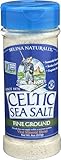
Celtic Sea Salt, Fine Ground Shaker, 8 oz | $14.49 |
|

|
Le Marinier Celtic Salt Organic Grey Coarse, 1.1lb - 18oz. Mineral Rich 100% Natural and Unrefined French Sea Salt Organic. Hand Harvested Mineral Sea Salt, Sel Gris (1.1lb Grey Coarse) | $14.98 |
|
|
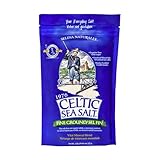
Celtic Sea Salt Fine Ground – Unrefined Mineral Salt, Sustainably Harvested, GMP Certified, Lab Tested – Baking, Cooking, Hydration, Everyday Use – 1 lb Resealable Bag | $13.94 |
|

|
Saltix Baja Mineral Sea Salt - Fine Grind, 8 oz (1/2 lb), 160+ Servings – 100% Natural & Unrefined, Hand-Harvested from the Sea of Cortez – Mineral Rich, Low Sodium, Perfect for Cooking, Finishing & Hydration | $9.99 |
|

|
Baja Gold Signature Mineral Sea Salt - Recommended by Gary Brecka - Authentic Fine Grind Salt for Cooking & Baking | Natural Baja Salt for Culinary Uses | Great for Finishing Dishes | 1 lb. Resealable Bag, 300+ Servings | $15.99 |
|

|
BAHA - Baja Mineral Sea Salt | Fine Grain Baha Mineral Salt from Sea of Cortez | Low Sodium & Mineral | For Cooking, Plating and Hydration | Traceable Origins | 1 Lb. Bag | $10.79 |
|

|
REDMOND Real Sea Salt - Natural Unrefined Gluten Free Fine, 26 Ounce Pouch (1 Pack) | $12.89 |
|
|
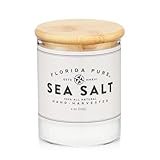
Pure Sea Salt by FLORIDA PURE - 80+ Mineral Sea Salt, Natural, Unrefined, Non Iodized, Addititive-free - for Baking, Cooking, Seasoning & Enhancing Taste - Pure Hand-harvested Flaky Sea Salt (4 oz Jar) | $11.69 |
|

|
Salt Your Way to Health, 2nd Edition | $34.00 |
|
As an Amazon Associate, Exercise Daily earns from qualifying purchases. This post may contain affiliate links. Last updated: March 26, 2026
Purchases made through these links help support the Exercise Daily Media Lab mission to train youth, empower communities, and share practical, science-based fitness education.
Internal EDML Resources
Explore our Natural Remedies category
See our upcoming Hydration Guide
Electrolytes for Athletes — Coming Soon
Scientific References
- NIH: Sodium and Cellular Physiology
- Electrolyte Balance and Muscle Contraction
- CDC: Sodium and Health Data
- Salt Intake in Athletes Study
- The Relationship Between Sodium and Performance
Eat daily, sleep daily, exercise daily.