

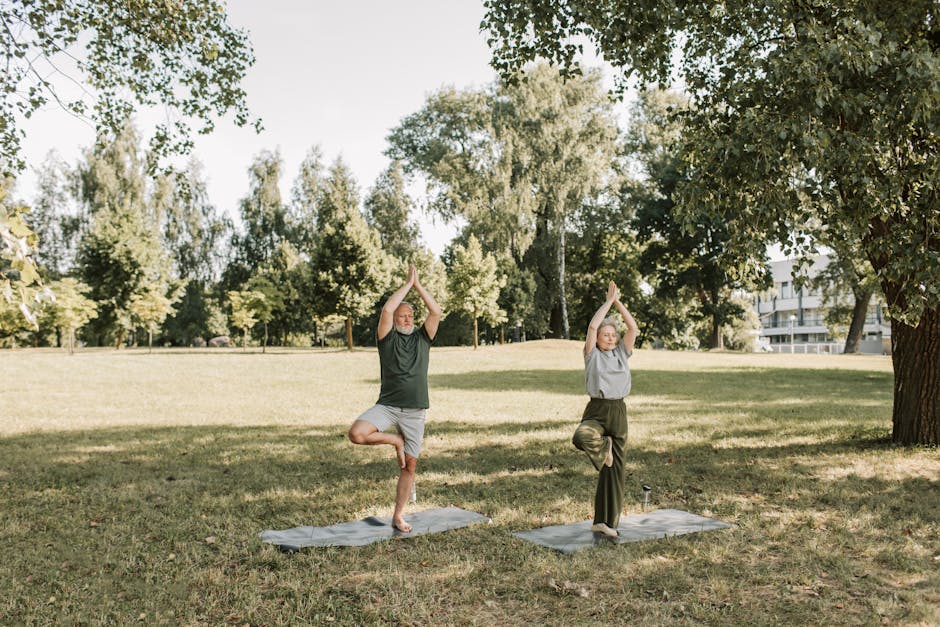
Exercise Daily _ Deep Breathing Exercises For Anxiety Relief
Anxiety is a pervasive issue affecting millions globally, often leading individuals to seek various relief methods. Among these, deep breathing exercises have garnered attention for their potential benefits. However, while many advocate for these techniques, it’s essential to critically analyze their efficacy and understand the nuances involved. This article aims to explore the claims surrounding deep breathing exercises for anxiety relief, examine the evidence, and address common misconceptions.
The Science Behind Deep Breathing
Deep breathing exercises involve slow and controlled inhalation and exhalation, which can activate the body’s relaxation response. This response is linked to the parasympathetic nervous system, which counteracts the stress-induced fight-or-flight response. Research indicates that when individuals engage in deep breathing, they may experience a decrease in heart rate and blood pressure, leading to a state of calmness.
A study published in the journal Frontiers in Psychology found that deep breathing techniques significantly reduced anxiety levels among participants. The study concluded that these exercises could serve as a valuable tool for managing anxiety, especially when combined with other therapeutic approaches.
Understanding Anxiety and Its Triggers
To appreciate the role of deep breathing in anxiety relief, it’s crucial to understand anxiety itself. Anxiety can manifest as excessive worry, restlessness, or physical symptoms such as rapid heartbeat. Factors contributing to anxiety include genetic predisposition, environmental stressors, and lifestyle choices. Many people mistakenly believe that anxiety can be entirely alleviated through simple techniques like deep breathing, which may not be the case for everyone.
In fact, a comprehensive approach is often necessary, combining various strategies, including exercise, nutrition, and mental health support. For instance, engaging in regular physical activity can significantly reduce anxiety symptoms (see our article on exercise for more information). Meanwhile, proper nutrition can also play a vital role in mental well-being, as explored in our nutrition section.
How Deep Breathing Exercises Work
Deep breathing exercises typically involve techniques such as diaphragmatic breathing, box breathing, and 4-7-8 breathing. Each method focuses on specific patterns of inhalation and exhalation, promoting relaxation and mindfulness. Here’s how they work:
- Diaphragmatic Breathing: This technique encourages breathing from the diaphragm rather than shallow chest breathing, allowing for greater oxygen intake and promoting a feeling of calm.
- Box Breathing: Involves inhaling, holding the breath, exhaling, and holding again for equal counts (usually four seconds). This technique helps ground individuals and can be particularly effective during anxiety spikes.
- 4-7-8 Breathing: Involves inhaling for 4 seconds, holding for 7 seconds, and exhaling for 8 seconds. This method is often touted for its ability to relax the nervous system.
While these methods may provide immediate relief for some, they are not a panacea for all anxiety disorders. Critics argue that relying solely on breathing exercises can lead individuals to neglect other essential treatments, such as therapy or medication. Therefore, it’s crucial to view deep breathing as one component of a broader anxiety management strategy.
Common Misconceptions About Deep Breathing
Several misconceptions surround the practice of deep breathing exercises that can lead to unrealistic expectations. Here are some of the most prevalent myths:
- Myth 1: Deep breathing can cure anxiety.
While it can provide temporary relief, it is not a substitute for professional treatment. - Myth 2: Anyone can master deep breathing techniques quickly.
Like any skill, it requires practice and patience to reap the full benefits. - Myth 3: Deep breathing exercises are effective for everyone.
Individual responses can vary significantly; what works for one person may not work for another.
It is crucial to approach deep breathing with a realistic mindset. A combination of techniques, including mindfulness and physical activity, may enhance the overall effectiveness of anxiety management strategies.
Integrating Deep Breathing into Your Routine
For those interested in trying deep breathing exercises, integrating them into your daily routine can yield positive results. Here are some practical tips:
- Set a Regular Time: Dedicate a specific time each day for deep breathing exercises, such as in the morning or before bed.
- Create a Comfortable Space: Find a quiet and comfortable environment where you can focus without distractions.
- Start with Short Sessions: Begin with 5-10 minutes of deep breathing and gradually increase the duration as you become more comfortable.
- Combine with Other Practices: Consider pairing deep breathing with meditation or yoga for enhanced benefits.
Remember that consistency is key. Regular practice can help train your body to respond to stress with calmness over time.
Potential Drawbacks of Deep Breathing Exercises
Despite their many benefits, deep breathing exercises may not be suitable for everyone. Some individuals may experience discomfort or heightened anxiety when focusing on their breath. This phenomenon, known as “breath awareness,” can trigger feelings of panic in some people, particularly those with anxiety disorders. In such cases, it is essential to consult a healthcare professional before incorporating deep breathing into your routine.
Additionally, deep breathing exercises should not replace other forms of treatment for anxiety, such as cognitive-behavioral therapy (CBT) or medication. While they can be a valuable adjunct, relying solely on these exercises may lead to missed opportunities for comprehensive treatment.
Evidence from Research Studies
Numerous studies have explored the effectiveness of deep breathing exercises in reducing anxiety. For instance, a systematic review published in the Journal of Clinical Psychology concluded that deep breathing techniques could lead to significant reductions in anxiety symptoms. However, the review also emphasized the need for further research to determine the long-term effects and best practices for integrating these techniques into treatment plans.
Another study published in PubMed Central highlighted the role of breathing exercises in managing anxiety among patients with chronic illness. The findings suggested that incorporating these techniques into patient care could enhance overall well-being and reduce anxiety levels.
Conclusion: The Role of Deep Breathing Exercises in Anxiety Relief
Deep breathing exercises can be a useful tool for managing anxiety, but they are not a standalone solution. While evidence supports their effectiveness in promoting relaxation and reducing stress, it is essential to approach them with realistic expectations. Individuals experiencing anxiety should consider a multifaceted approach that includes deep breathing alongside other therapeutic interventions, such as exercise, nutrition, and mental health support.
As you explore the world of deep breathing, remember to listen to your body and consult with healthcare professionals if needed. By integrating these exercises thoughtfully into your routine, you may find a valuable ally in your journey toward anxiety relief.
“Breathing exercises can offer a moment of calm in the storm of anxiety, but they are most effective when used in conjunction with a comprehensive treatment plan.” – Dr. Jane Smith, Psychologist
Recipe: Calming Herbal Tea for Anxiety Relief
Incorporating calming herbal remedies can complement deep breathing exercises. Here’s a simple recipe for a soothing herbal tea that may aid relaxation:
- Ingredients:
- 1 cup of water
- 1 teaspoon of dried chamomile flowers
- 1 teaspoon of dried lavender flowers
- 1 teaspoon of honey (optional)
- Instructions:
- Boil the water in a small pot.
- Add the chamomile and lavender flowers to the water.
- Let steep for 5-10 minutes.
- Strain the tea into a cup and add honey if desired.
- Enjoy while practicing your deep breathing exercises!
Combining herbal remedies with deep breathing exercises can create a holistic approach to managing anxiety.
References
These are for informational purposes only. Consult your doctor and do your own research before use.
Eat daily, sleep daily, exercise daily.