
Exercise Daily _ Low Impact Workouts For Knee Pain
Knee pain is a common issue that affects millions of people worldwide. Whether due to age, injury, or underlying medical conditions, managing knee pain can be challenging. Many individuals mistakenly believe that avoiding all physical activity is the best course of action, but this is not only counterproductive; it may also exacerbate the problem. Low impact workouts for knee pain can be beneficial and are often recommended by healthcare professionals. This article will explore various low impact exercises, discuss common misconceptions, and present evidence-based approaches to managing knee pain through physical activity.
Explore more in our Nutrition section.
Explore more in our Fitness section.
Explore more in our Exercise section.
Understanding Knee Pain
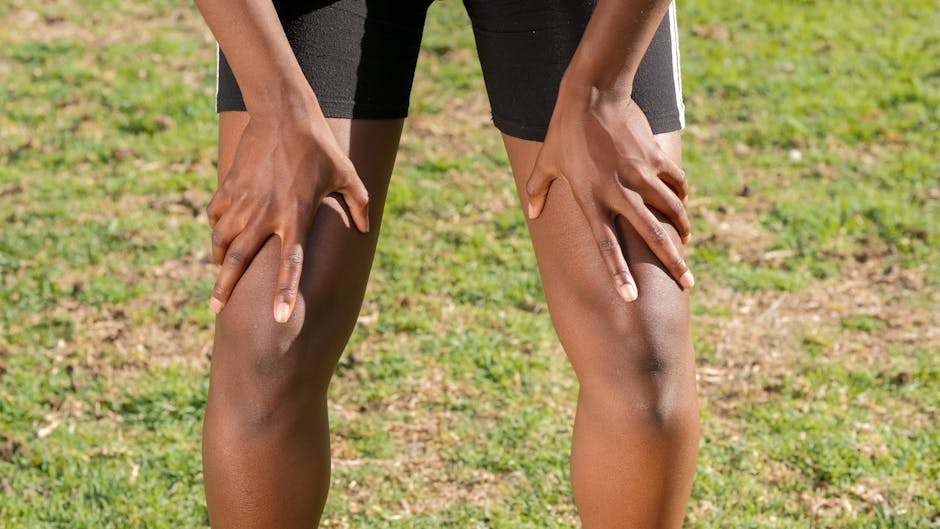
Knee pain can stem from various causes, including osteoarthritis, tendonitis, bursitis, and injuries such as ligament tears. According to the National Institutes of Health (NIH), osteoarthritis is the most common form of arthritis, affecting over 32.5 million adults in the U.S. alone. Symptoms often include stiffness, swelling, and pain that can limit mobility. Understanding the underlying cause of knee pain is crucial for choosing the appropriate low impact workouts.
What Are Low Impact Workouts?





As an Amazon Associate, Exercise Daily earns from qualifying purchases. This post may contain affiliate links. Last updated: March 25, 2026
Low impact workouts are exercises that minimize stress on the joints while still providing cardiovascular and strength benefits. These workouts are particularly important for individuals with knee pain, as they allow for movement without further aggravating the condition. Common examples include:
- Swimming
- Cycling
- Walking
- Yoga
- Pilates
- Resistance training with light weights
Benefits of Low Impact Workouts for Knee Pain
Engaging in low impact workouts can provide numerous benefits for individuals suffering from knee pain:
- Improved Mobility: Regular low impact exercise can enhance joint flexibility and range of motion.
- Pain Reduction: Physical activity releases endorphins, which can help alleviate pain.
- Weight Management: Maintaining a healthy weight reduces stress on the knees, potentially decreasing pain.
- Muscle Strengthening: Strengthening the muscles around the knee provides support and stability, reducing the risk of further injury.
Common Misconceptions About Exercise and Knee Pain
Despite the clear benefits of low impact workouts, many individuals with knee pain hold misconceptions that can hinder their recovery. Here are some common myths:
Myth 1: “I should avoid all exercise to prevent pain.”
Fact: Completely avoiding exercise can lead to muscle atrophy and increased joint stiffness. Low impact workouts can help maintain mobility.
Myth 2: “All exercises are bad for my knees.”
Fact: While high-impact activities like running can exacerbate knee pain, many low impact exercises are safe and beneficial.
Myth 3: “I need to feel pain to know I’m exercising effectively.”
Fact: Exercise should not be painful. Discomfort is normal, but sharp pain indicates that an activity may be too strenuous.
Effective Low Impact Workouts for Knee Pain
Here are some low impact workouts that are particularly effective for individuals experiencing knee pain:
1. Swimming
Swimming is one of the best low impact exercises. The buoyancy of water supports the body, reducing stress on the knees while providing resistance. Studies have shown that aquatic exercise can improve muscle strength and joint function in individuals with knee osteoarthritis (Bennell et al., 2014). Simple strokes like freestyle or backstroke can be effective.
2. Cycling
Cycling, whether on a stationary bike or outdoors, is another excellent option. Research indicates that cycling can improve functional capacity and reduce pain in individuals with knee osteoarthritis (Hochberg et al., 2012). Adjusting the seat height is crucial to avoid strain on the knees; the knee should be slightly bent at the bottom of the pedal stroke.
3. Walking
Walking is a natural, low impact form of exercise that can be easily incorporated into daily routines. A study published in the Journal of Physical Activity and Health found that moderate walking can significantly decrease knee pain and improve function in older adults with knee osteoarthritis. Aim for 30 minutes of brisk walking several times a week.
4. Yoga
Yoga focuses on flexibility, strength, and balance, making it ideal for individuals with knee pain. A systematic review in the Journal of Clinical Rheumatology found that yoga can improve pain and function in individuals with osteoarthritis. Poses such as Warrior II and Child’s Pose can help strengthen the muscles supporting the knee.
5. Pilates
Pilates emphasizes core strength and stability, which can be beneficial for knee health. Research shows that Pilates can improve balance and strength in individuals with knee pain (Crespo et al., 2020). Focus on exercises that strengthen the quadriceps and hamstrings, such as leg slides and bridges.
6. Resistance Training
Using light weights or resistance bands can help strengthen the muscles around the knee. According to a study published in the American Journal of Physical Medicine & Rehabilitation, resistance training can improve strength and function in older adults with knee osteoarthritis. Focus on exercises like leg presses, calf raises, and step-ups while avoiding excessive weight or strain.
Creating a Low Impact Workout Routine
When designing a workout routine for knee pain, consider the following:
- Consult a Professional: Before starting any new exercise program, consult a physical therapist or healthcare provider for personalized recommendations.
- Start Slow: Gradually increase the intensity and duration of workouts to avoid aggravating pain.
- Incorporate Variety: Mix different types of low impact exercises to keep the routine engaging and effective.
- Listen to Your Body: Pay attention to any signs of pain or discomfort, and modify exercises as needed.
Nutrition and Joint Health
Nutrition plays a vital role in managing knee pain and supporting overall joint health. A diet rich in anti-inflammatory foods can help reduce pain and improve function. Foods to consider include:
- Fatty fish (salmon, mackerel, sardines)
- Leafy greens (spinach, kale)
- Berries (blueberries, strawberries)
- Nuts and seeds (walnuts, flaxseeds)
- Olive oil
EDML Recipe: Anti-Inflammatory Smoothie
Ingredients:
- 1 cup spinach
- 1/2 cup blueberries
- 1/2 banana
- 1 tablespoon flaxseeds
- 1 cup almond milk
Instructions: Blend all ingredients until smooth. Enjoy this nutrient-rich smoothie as a part of your low impact workout recovery.
Conclusion
Low impact workouts for knee pain are not only beneficial; they are essential for maintaining mobility and improving quality of life. By dispelling common misconceptions and focusing on appropriate exercises, individuals can manage their knee pain effectively. Remember to consult with a healthcare professional before starting any new workout routine and consider incorporating nutritional strategies to support joint health. The journey to pain-free movement begins with the right approach to exercise.
- NIH – Osteoarthritis Overview
- Journal of Physical Activity and Health – Walking and Knee Pain
- Journal of Clinical Rheumatology – Yoga and Osteoarthritis
- American Journal of Physical Medicine & Rehabilitation – Resistance Training
- Bennell K, et al. (2014). Aquatic exercise for knee osteoarthritis.
These are for informational purposes only. Consult your doctor and do your own research before use. Eat daily, sleep daily, exercise daily.