

Exercise Daily _ Mma Recovery Tips After Training
Many athletes mistakenly believe that the most intense training sessions alone dictate their performance outcomes. However, what happens after training is just as crucial—if not more so. Recovery isn’t merely a passive phase; it’s an active process that can significantly enhance your performance and longevity in mixed martial arts (MMA). Ignoring proper recovery techniques can lead to diminished returns on your hard work, increased injury risk, and plateauing performance. It’s time to challenge the misconception that training hard is all you need—real success lies in how you recover.
Who This Is For
- Beginners looking to establish effective recovery routines.
- Experienced athletes wanting to optimize their recovery strategies.
- Busy adults juggling training with work and family commitments.
- Parents who need quick, effective recovery methods.
- Individuals recovering from injuries who want to return to training safely.
What Most People Get Wrong
One of the most common mistakes made by MMA fighters and practitioners is the neglect of recovery protocols. Many enthusiasts believe that simply resting after a hard training session is sufficient. This couldn’t be further from the truth. Recovery involves a multi-faceted approach that includes nutrition, hydration, stretching, and even mental health practices. A study published in the Journal of Sports Sciences emphasizes that inadequate recovery can lead to overtraining syndrome, which significantly hampers performance and increases injury risk (1).
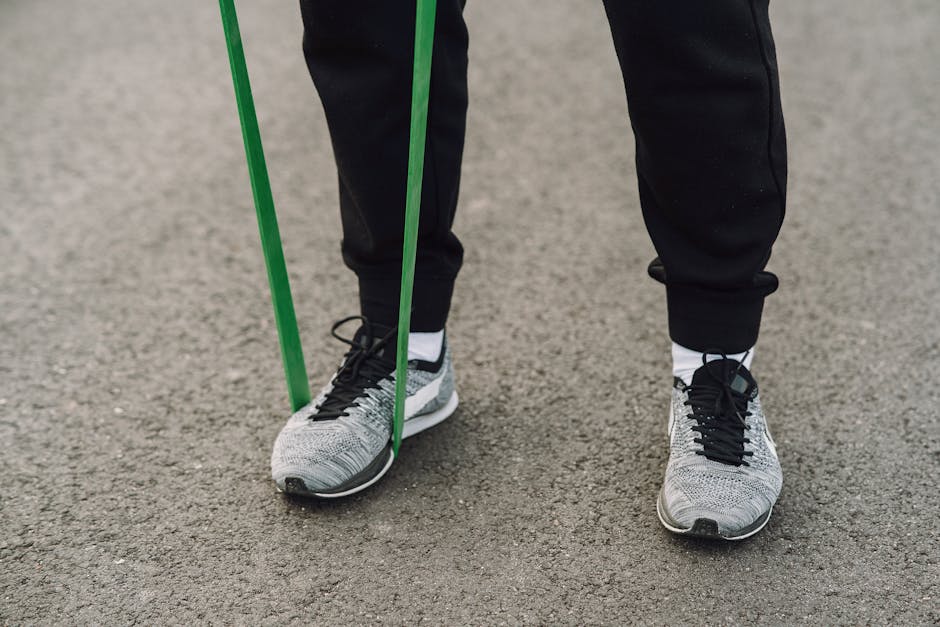
Another prevalent error is the reliance on passive recovery methods. While taking a day off from training is essential, active recovery—engaging in low-intensity activities—can be far more beneficial. Research indicates that active recovery enhances blood circulation, which promotes faster healing and reduces muscle soreness (2). Simply lying on the couch watching TV won’t cut it if you want to maximize your gains.
Explore more in our Exercise section.
Essential Recovery Techniques for MMA




As an Amazon Associate, Exercise Daily earns from qualifying purchases. This post may contain affiliate links. Last updated: April 6, 2026
1. Nutrition: Fuel Your Recovery
The importance of nutrition in recovery cannot be overstated. Consuming the right nutrients post-training can significantly affect your recovery process. Focus on a balance of macronutrients: protein for muscle repair, carbohydrates for glycogen replenishment, and fats for overall health. For optimal recovery, aim for a meal or shake that includes:
- 20-30 grams of protein (e.g., chicken, fish, or plant-based sources).
- Carbohydrates to replenish glycogen stores (e.g., brown rice, sweet potatoes).
- A small amount of healthy fats (e.g., avocados, nuts).
According to the International Society of Sports Nutrition, post-exercise nutrition should ideally occur within 30 minutes to two hours after training (3). This is your window of opportunity to kickstart recovery. For instance, a protein shake combined with a banana can provide immediate nutrition that is easy to digest and effective at replenishing your energy reserves. Additionally, incorporating nutrient-dense whole foods into your meals can provide essential vitamins and minerals that support recovery processes.
2. Hydration: Drink Up
Dehydration can severely impact recovery. Even mild dehydration can lead to decreased performance and increased muscle soreness. Ensure you are adequately hydrated before, during, and after training. The American Council on Exercise recommends drinking 17-20 ounces of water two hours before exercising, and another 8 ounces 20-30 minutes prior (4). Post-training, aim for at least 16-24 ounces for every pound lost during the workout. To monitor your hydration, consider checking the color of your urine; pale yellow indicates adequate hydration, while dark yellow suggests a need for more fluids.
Explore more in our Fitness section.
Furthermore, incorporating electrolyte drinks after intense training sessions can help replenish lost salts and minerals, which are essential for muscle function and recovery. This is particularly important in hot weather or during prolonged workouts when you may sweat excessively.
3. Active Recovery: Keep Moving
Engaging in low-intensity activities such as walking, swimming, or light cycling can facilitate recovery. These activities promote blood flow without straining your muscles. A meta-analysis published in the Journal of Sports Medicine found that active recovery significantly reduces muscle soreness and improves recovery speed compared to passive methods (5). For example, a light 20-minute walk post-training can help remove metabolic waste products from your muscles and enhance nutrient delivery, accelerating recovery.
Additionally, consider incorporating activities like yoga or tai chi into your routine. These practices not only promote gentle movement but also improve flexibility and mental focus, both of which are critical in MMA.
Explore more in our Nutrition section.
4. Stretching and Mobility Work
Incorporating stretching and mobility exercises into your recovery routine can help maintain flexibility and range of motion. Dynamic stretching before workouts and static stretching afterward can prevent stiffness and improve overall performance. Consider yoga or Pilates as complementary practices to enhance your flexibility and core strength. For instance, spending just 10-15 minutes on stretching your major muscle groups after training can significantly aid in reducing tightness and improving your overall mobility.
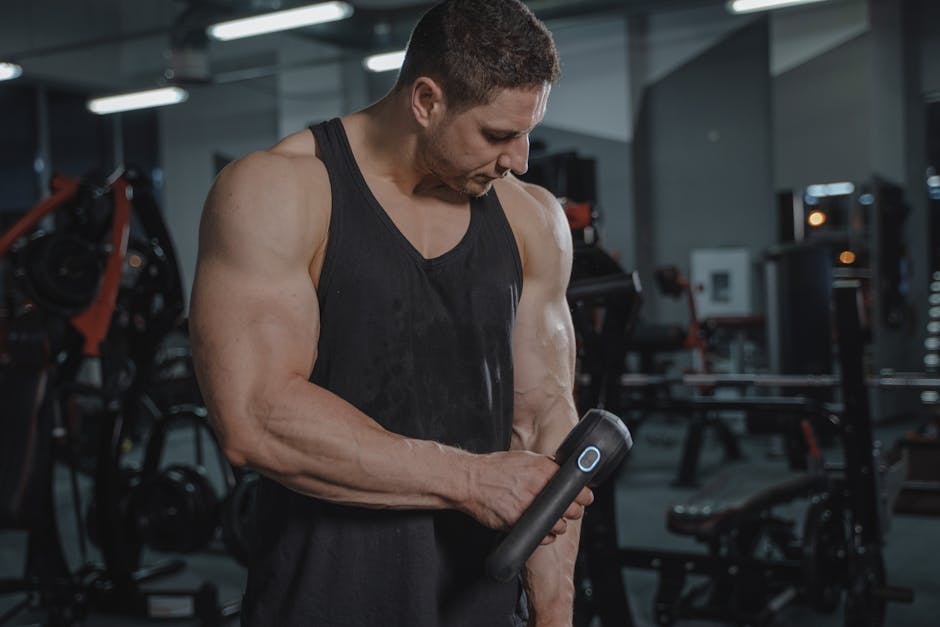
Moreover, foam rolling is an excellent technique to target specific muscle groups that feel tight or sore. This self-myofascial release can help alleviate muscle knots and improve blood flow, leading to a quicker recovery. Aim to spend a few minutes rolling out key areas such as your quads, hamstrings, and back after training sessions.
5. Sleep: The Ultimate Recovery Tool
Sleep is often overlooked but is perhaps the most critical component of recovery. During sleep, your body undergoes repair processes, hormone regulation, and muscle recovery. Aim for 7-9 hours of quality sleep per night. A study in the European Journal of Physiology found that insufficient sleep can lead to decreased performance and increased risk of injury (6). To enhance your sleep quality, establish a bedtime routine that includes winding down without screens, keeping your bedroom cool and dark, and considering relaxation techniques such as reading or meditation before sleep.
Additionally, maintaining a consistent sleep schedule by going to bed and waking up at the same time every day can help regulate your body’s internal clock, making it easier to fall asleep and wake up refreshed.
Why This Actually Works
Integrating these recovery strategies is not just about feeling good; it’s about optimizing your performance. When your body has the necessary nutrients, hydration, and rest, it can repair damaged tissues more efficiently, reduce inflammation, and prepare you for your next training session. Each component of recovery plays a role in maintaining your mental and physical health. For example, adequate sleep not only aids in muscle recovery but also enhances cognitive function, crucial for strategy and focus in MMA.
Moreover, active recovery methods have been shown to improve mood and reduce stress, which can help mitigate the psychological fatigue associated with intense training. A study published in the Journal of Health Psychology found that individuals who engaged in active recovery reported better mood states and lower stress levels (7). Thus, recovery isn’t just about physical repair; it’s a holistic approach that encompasses mental well-being. As you implement these techniques, you’ll likely notice improvements not only in your physical performance but also in your overall mindset and motivation towards training.
Practical Recovery Tips
Here are some actionable recovery tips that can be easily integrated into your routine:
- Prepare post-workout meals in advance to ensure you have the right nutrition ready; consider meal prepping on weekends for the week ahead.
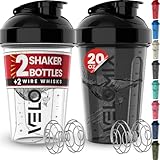
- Invest in a high-quality water bottle to track your hydration throughout the day; opt for one with measurement markings to help you stay on track.
- Set a consistent sleep schedule to improve your sleep quality; aim for a wind-down routine that signals to your body when it’s time to rest.
- Incorporate foam rolling or massage therapy into your weekly routine to alleviate muscle tension; consider scheduling regular sessions with a professional massage therapist.
- Practice mindfulness or meditation to enhance mental recovery and focus; even a few minutes of deep breathing exercises can make a significant difference in your recovery process.
Frequently Asked Questions
1. How long should I rest after an intense MMA training session?
It varies based on individual recovery needs, but a general guideline is to take at least one full rest day per week, supplemented with light active recovery sessions like walking or light stretching. Listen to your body; if you’re feeling overly fatigued or sore, consider taking an extra rest day to allow for full recovery.
2. What are the best foods for recovery after MMA training?
Post-training meals should include a combination of proteins (like chicken or protein shakes) and carbohydrates (like sweet potatoes or quinoa) to aid muscle repair and replenish glycogen stores. Additionally, incorporating fruits and vegetables can provide vital antioxidants, which help to reduce inflammation and support overall recovery.
3. Can I use ice baths or heat therapy for recovery?
Both ice baths and heat therapy can be beneficial. Ice baths can reduce inflammation, while heat therapy can improve blood flow. Use them strategically based on your training intensity and recovery needs. For instance, ice baths may be more beneficial after particularly grueling training sessions, while heat therapy can be ideal for muscle relaxation on lighter training days.
Conclusion
Implementing effective recovery strategies after MMA training is crucial for improving performance and preventing injuries. By understanding the importance of nutrition, hydration, active recovery, and sleep, you can ensure that your body is ready to tackle the next challenge. Remember, recovery is not just an afterthought; it is an integral part of your training process. Embrace these methods, and you’ll find that the gains from your hard work in the gym become even more pronounced. Striking a balance between training hard and recovering smart is the key to long-term success in MMA.
Eat daily, sleep daily, exercise daily.