

Exercise Daily _ Snowboarding Conditioning Exercises
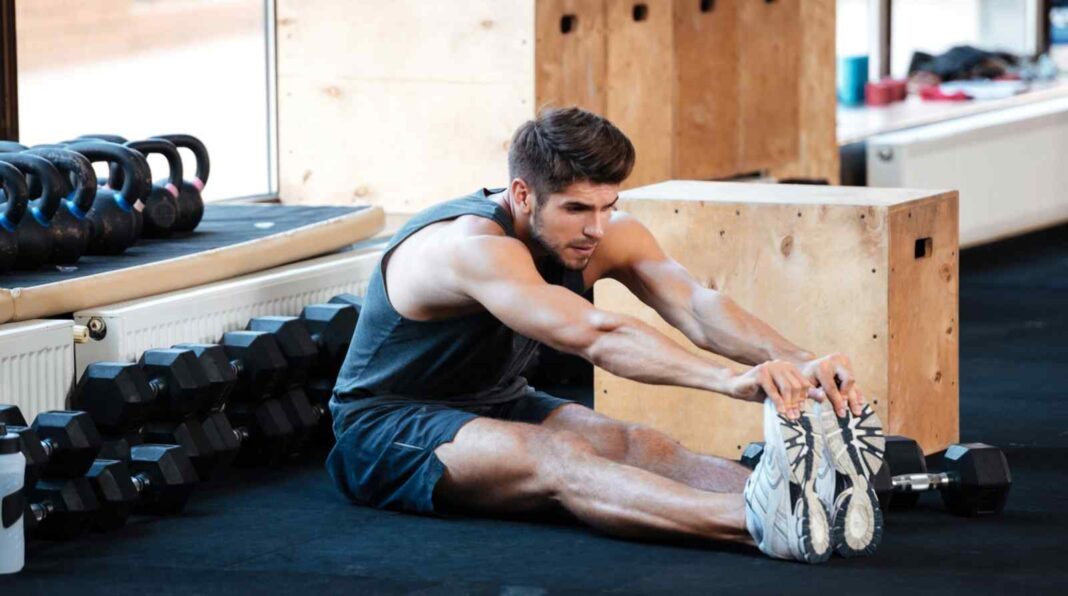
Snowboarding is an exhilarating winter sport that demands a unique blend of strength, balance, and endurance. However, many snowboarders overlook the importance of conditioning exercises, which can significantly enhance performance and reduce the risk of injury. In this article, we will explore effective snowboarding conditioning exercises, debunk common misconceptions, and provide evidence-based insights into optimal training strategies.
Explore more in our Natural Remedies section.
Explore more in our Wellness section.
Explore more in our Nutrition section.
The Importance of Conditioning for Snowboarding
Snowboarding is not merely about gliding down a slope; it requires a comprehensive physical preparation. A study published in the Journal of Sports Medicine highlights that snowboarders face high demands on their lower body, core stability, and cardiovascular endurance. Conditioning exercises help to develop these areas, allowing for better control, agility, and overall performance on the slopes.
Common Misconceptions About Snowboarding Conditioning
- Myth 1: Snowboarding is only about leg strength.
- Myth 2: You can only condition during the winter season.
- Myth 3: Stretching alone is sufficient for preparation.
These misconceptions can lead to inadequate preparation. In reality, snowboarding requires a full-body approach to conditioning, including strength, flexibility, and cardiovascular fitness. Conditioning should also be a year-round endeavor, with specific exercises tailored to snowboarding demands.
Key Areas of Focus for Snowboarding Conditioning
To maximize your performance and safety while snowboarding, focus on the following key areas:
- Lower Body Strength
- Core Stability
- Balance and Coordination
- Cardiovascular Endurance
Lower Body Strength
The lower body is crucial for snowboarding, as it supports your weight and absorbs impacts. Exercises that target the quadriceps, hamstrings, glutes, and calves are essential. Here are some effective exercises:

- Squats: Perform bodyweight or weighted squats to develop overall leg strength.
- Lunges: Incorporate forward and lateral lunges to enhance strength and balance.
- Deadlifts: Focus on Romanian deadlifts to strengthen the hamstrings and glutes.
Core Stability
A strong core is vital for maintaining balance and stability on the board. Core exercises improve your ability to twist and turn while riding. Effective exercises include:
- Planks: Engage in front and side planks to enhance core stability.
- Russian Twists: Perform seated twists with a weight to strengthen rotational stability.
- Medicine Ball Throws: Incorporate explosive movements to simulate the dynamic nature of snowboarding.
Balance and Coordination
Snowboarding requires finely-tuned balance and coordination. To develop these skills, consider the following exercises:
- Single-Leg Balance: Stand on one leg while performing arm movements to enhance stability.
- Balance Board Training: Use a balance board to simulate snowboarding movements and improve proprioception.
- Agility Drills: Incorporate ladder drills or cone drills to enhance foot speed and coordination.
Cardiovascular Endurance
Snowboarding can be physically taxing, requiring significant cardiovascular endurance. Incorporate these exercises into your routine:
- Interval Training: Engage in high-intensity interval training (HIIT) to build cardiovascular fitness.
- Running or Cycling: Utilize running or cycling sessions to enhance overall endurance.
- Stair Climbing: This exercise mimics the physical demands of snowboarding and builds leg strength.
Sample Snowboarding Conditioning Workout
Here is a sample workout that incorporates the exercises mentioned above:
- Warm-Up: 5-10 minutes of dynamic stretching and light cardio.
- Squats: 3 sets of 10-15 reps.
- Lunges: 3 sets of 10-12 reps per leg.
- Planks: 3 sets of 30-60 seconds.
- Single-Leg Balance: 3 sets of 30 seconds per leg.
- Interval Training: 20 minutes of HIIT (30 seconds work, 30 seconds rest).
Adjust the number of sets and repetitions based on your fitness level. Always prioritize proper form to prevent injury.
Nutrition for Optimal Performance
While conditioning exercises are crucial, nutrition also plays a significant role in enhancing snowboarding performance. Fueling your body with the right nutrients can improve endurance, recovery, and overall well-being. Here are some nutrition tips:
- Hydration: Stay hydrated before, during, and after snowboarding.
- Carbohydrates: Consume complex carbohydrates for sustained energy.
- Proteins: Include lean proteins to support muscle repair and recovery.
- Healthy Fats: Incorporate sources of omega-3 fatty acids to reduce inflammation.
For a nutritious meal, consider this simple recipe:
Quinoa and Chickpea Salad
- Cook 1 cup of quinoa according to package instructions.
- In a bowl, combine cooked quinoa, 1 can of rinsed chickpeas, diced cucumbers, cherry tomatoes, and parsley.
- Dress with olive oil, lemon juice, salt, and pepper.
- Toss well and serve chilled.
This salad is packed with protein and complex carbohydrates, making it an excellent pre- or post-workout meal.
Conclusion
In conclusion, snowboarding conditioning exercises are essential for improving performance and preventing injuries. By focusing on lower body strength, core stability, balance, and cardiovascular endurance, snowboarders can enhance their skills on the slopes. Additionally, proper nutrition complements these efforts, ensuring that your body is primed for the challenges of snowboarding.
Don’t fall into the common traps of underestimating your conditioning needs. Embrace a comprehensive training regimen, and you’ll find yourself carving through the snow with greater ease and confidence. For more tips on exercise and fitness, explore our other articles on exercise and fitness.
These are for informational purposes only. Consult your doctor and do your own research before use.
Eat daily, sleep daily, exercise daily.