

Exercise Daily _ Soccer Stamina Training Exercises
Soccer is an exhilarating sport that demands not only skill but also exceptional stamina. Players need to maintain high energy levels throughout the match, often running between 7 to 10 kilometers per game. This endurance is crucial for performance and can be cultivated through specific soccer stamina training exercises. However, misconceptions about stamina training abound, leading to controversial debates in the sports community. This article will explore effective stamina training exercises for soccer, counter common myths, and provide evidence-based insights to help players enhance their performance on the field.
Explore more in our Nutrition section.
Explore more in our Fitness section.
Explore more in our Exercise section.
The Importance of Stamina in Soccer
Stamina is defined as the ability to sustain prolonged physical or mental effort. In soccer, this translates to the capacity to perform at a high intensity for the duration of the match. A study published in the Journal of Sports Sciences indicates that players with higher aerobic capacity can recover faster between sprints and maintain performance levels longer (Bangsbo, 1994). The need for stamina becomes particularly evident as players engage in repeated high-intensity efforts, such as sprinting, jumping, and changing directions.
Common Misconceptions About Stamina Training
Despite the importance of stamina, many athletes and coaches hold misconceptions that can hinder training effectiveness. Here are a few prevalent myths:
- Myth 1: Long-distance running is the best way to build stamina. While long-distance running can improve aerobic capacity, it does not mimic the specific demands of soccer. Soccer requires intermittent bursts of energy, not just endurance.
- Myth 2: Stamina training is only for professional athletes. In reality, all levels of players benefit from stamina training. It enhances performance and reduces the risk of injury.
- Myth 3: Strength training is not important for stamina. Strength and stamina are interlinked. A stronger player can generate more power, which translates to better performance in short bursts.
Key Components of Soccer Stamina Training
Effective soccer stamina training should focus on several key components:
- Aerobic Capacity: This is the foundation of stamina. It allows players to recover quickly between high-intensity efforts.
- Anaerobic Endurance: Soccer involves short bursts of high-intensity effort that rely on anaerobic energy systems.
- Speed and Agility: These components are crucial for quick sprints and changes in direction during a match.
- Strength: Building strength can improve overall power and efficiency, aiding stamina.
Effective Soccer Stamina Training Exercises
To build stamina effectively, players should incorporate a variety of exercises that target both aerobic and anaerobic systems. Here are some of the most effective exercises:
1. Interval Running
Interval running involves alternating between high-intensity sprints and low-intensity jogging or walking. This mimics the stop-and-go nature of soccer and helps improve both aerobic and anaerobic capacity.
Research shows that interval training can significantly enhance aerobic fitness and performance in soccer players (Buchheit et al., 2010).
2. Fartlek Training
Fartlek, a Swedish term meaning “speed play,” combines continuous running with interval training. Players can vary their pace throughout the workout, adding in sprints, jogs, and walks. This method is particularly effective for soccer since it simulates match conditions.
3. Circuit Training
Circuit training involves a series of exercises performed in rotation. Incorporating strength and agility drills alongside aerobic exercises can maximize stamina gains. For instance, a circuit might include:
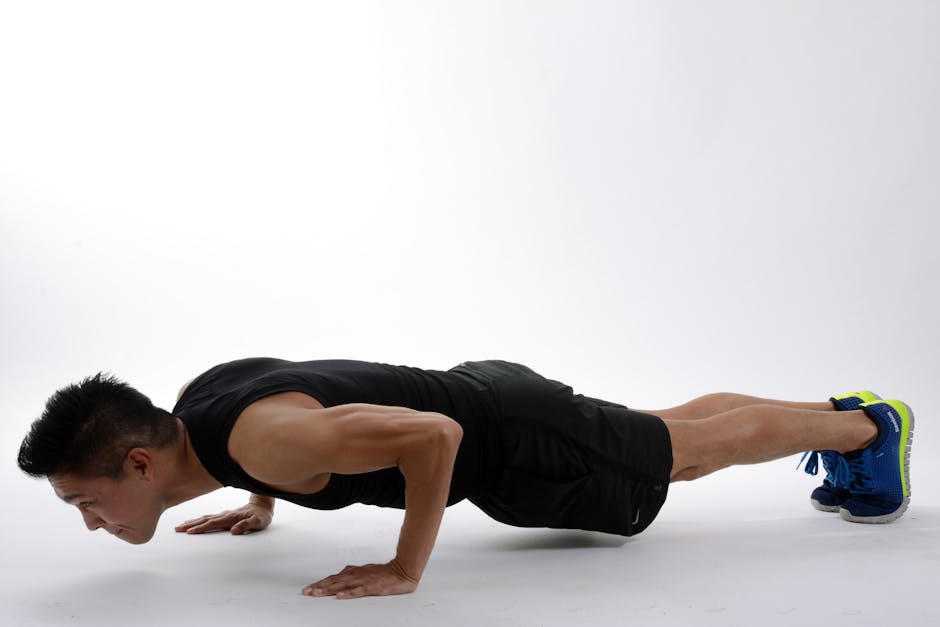
- Push-ups
- Burpees
- Box jumps
- Agility ladder drills
- Short sprints
Such training not only builds endurance but also enhances overall fitness.
4. Small-Sided Games
Playing small-sided games (like 3v3 or 5v5) on a small field can significantly improve stamina. These games require constant movement, quick decision-making, and high-intensity efforts. A study published in the Journal of Sports Medicine supports the idea that small-sided games can improve fitness and technical skills simultaneously (Hill-Haas et al., 2010).
5. Plyometrics
Plyometric exercises, such as jump squats and box jumps, enhance explosive strength and power. These exercises train the muscles to exert maximum force in short intervals, which is crucial for quick sprints and changes in direction during a match.
Nutrition and Recovery: The Unsung Heroes of Stamina Training
Many athletes neglect the role of nutrition and recovery in stamina training. Proper nutrition fuels training and aids recovery, while inadequate nutrition can lead to fatigue and diminished performance.
Nutrition for Optimal Stamina
Players should focus on a balanced diet rich in carbohydrates, proteins, and healthy fats. Carbohydrates are especially important for providing energy during intense training sessions. A study published in the American Journal of Clinical Nutrition emphasizes the importance of carbohydrates for optimal performance in endurance sports (Jeukendrup, 2011).
Hydration
Staying hydrated is critical for maintaining stamina. Dehydration can lead to decreased performance and increased risk of injury. Athletes should drink water regularly and consider electrolyte-rich drinks during intense training sessions.
Recovery Strategies
Recovery is just as important as training. Incorporating rest days, stretching, and mobility work can enhance recovery and prevent injuries. Techniques such as foam rolling and massage can also aid in muscle recovery.
Counterarguments: The Debate on Stamina Training Methods
While the exercises mentioned above are widely accepted as effective, there is ongoing debate about the best methods for stamina training. Some argue for traditional long-distance running, while others advocate for high-intensity interval training (HIIT). Each method has its proponents, and the effectiveness can vary based on individual goals and fitness levels.
Critics of HIIT often claim that it may not adequately prepare athletes for the prolonged efforts required in soccer. However, studies indicate that HIIT can improve both aerobic and anaerobic capacities, making it a viable alternative to traditional endurance training (Gibala et al., 2012).
Conclusion: Building Soccer Stamina Effectively
Building stamina for soccer requires a multifaceted approach that includes specific training exercises, proper nutrition, and adequate recovery. While misconceptions persist about the best methods for stamina training, evidence supports the effectiveness of interval running, circuit training, small-sided games, and plyometrics. By focusing on these strategies, players can enhance their performance and enjoy the game to its fullest.
In summary, soccer stamina training exercises are essential for any player seeking to improve their game. By understanding the importance of stamina and debunking common myths, athletes can develop effective training regimens tailored to their needs.
- Bangsbo, J. (1994). “The Physiology of Soccer: The Role of Aerobic and Anaerobic Energy Systems.” Journal of Sports Sciences. Link
- Buchheit, M., et al. (2010). “Physiological Responses to High-Intensity Interval Training in Young Soccer Players.” Journal of Sports Sciences. Link
- Hill-Haas, S. V., et al. (2010). “Physiological and Skill-Related Performance in Small-Sided Soccer Games: A Review.” Journal of Sports Medicine. Link
- Gibala, M. J., et al. (2012). “Physiological Adaptations to Low-Volume, High-Intensity Interval Training in Health and Disease.” Journal of Physiology. Link
- Jeukendrup, A. E. (2011). “Carbohydrate Intake During Exercise and Performance.” American Journal of Clinical Nutrition. Link
These are for informational purposes only. Consult your doctor and do your own research before use.
Eat daily, sleep daily, exercise daily.